```html
If you're one of the millions of Americans carrying student loan debt, you've probably felt the ground shifting beneath your feet over the last few years. The landscape of student loan repayment has been a rollercoaster, to say the least. Now, a new and particularly unsettling development is unfolding: the Education Department is reportedly sending out stark "final notices" to countless borrowers. These aren't just polite reminders; they carry an ominous warning, urging recipients to select a new repayment plan or face potentially dire consequences. This move follows the abrupt termination of the popular SAVE program, leaving over seven million borrowers scrambling to understand their options and, for many, facing the prospect of significantly higher monthly payments.
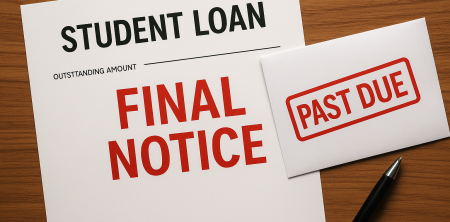
It’s a situation fraught with anxiety and uncertainty. Imagine opening an envelope to find a stark "Final Notice" regarding something as critical as your financial stability. For millions, that's their reality right now. The pressure is immense, and the implications of inaction could be catastrophic, ranging from unaffordable fixed payments to, in the worst cases, defaulting on loans. This isn't just about bureaucracy; it's about people's lives, their ability to pay rent, buy groceries, and plan for the future. The sheer volume of borrowers affected – that seven million figure isn't just a statistic, it represents families, individuals, and dreams potentially derailed. Understanding these student loan final notices and what you need to do is more crucial than ever.
The End of an Era: What Happened to the SAVE Program?
For a significant chunk of student loan borrowers, the SAVE program, or Saving on a Valuable Education plan, was a lifeline. It offered a more manageable pathway to repayment, especially for those with lower incomes, by adjusting monthly payments based on discretionary income and family size. It was designed to be a more forgiving option, aiming to prevent defaults and provide a clearer path to loan forgiveness after a certain period. Many borrowers had come to rely on its structure, finding a measure of stability in its provisions. So, what exactly led to its sudden and disruptive termination?
The unraveling of the SAVE program isn't a simple story; it’s a tangled web of legal challenges and legislative shifts. At its core, the program faced significant headwinds from court challenges that questioned its legal authority and implementation. These legal battles created a climate of uncertainty, constantly threatening the program's existence. Adding another layer of complexity was the "One Big, Beautiful Bill Act," a piece of legislation enacted during the Trump administration. This act, while not directly aimed at ending SAVE, created a framework that ultimately made the program's continued operation unsustainable in its original form. The combination of these legal and legislative pressures proved too much, leading to the program's termination and leaving millions in the lurch. It’s a stark reminder of how quickly policy can change and how deeply those changes can impact individual finances.
Decoding the 'Final Notices': What Are Borrowers Being Told?
These student loan final notices aren't just routine correspondence; they're a direct call to action, framed with an urgency that can be quite alarming for recipients. The core message is unequivocal: you need to choose a new repayment plan, and you need to do it now. The notices are designed to convey the seriousness of the situation, highlighting the potential consequences of inaction. They're telling borrowers that their current repayment arrangement, likely the SAVE program, is no longer viable, and a new decision is required to avoid a financial cliff.
But what happens if you don't respond to these student loan final notices? That's where the warnings turn ominous. The Education Department isn't just threatening inconvenience; they're outlining a path that could lead to significant financial hardship. Borrowers who fail to select an alternative plan face the risk of automatic enrollment in a fixed payment plan. For many, especially those who qualified for the more flexible terms of SAVE, a fixed payment plan could be utterly unaffordable, far exceeding what they can realistically manage each month. And beyond that, the notices implicitly, or perhaps explicitly, warn of the ultimate consequence: defaulting on their loans. Defaulting is a financial nightmare, carrying severe credit score damage, wage garnishment, and other penalties that can take years to recover from. It's a stark choice being presented, and the stakes couldn't be higher.
The Looming Threat of Automatic Enrollment and Default
Let's talk about the real-world implications of these final notices and the potential for automatic enrollment. Imagine you're a recent graduate, just starting your career, or maybe you're a parent trying to juggle childcare costs and a mortgage. You've been diligently paying your student loans under a plan that fit your budget. Now, suddenly, without your explicit consent, your loan servicer could automatically shift you to a fixed payment plan where your monthly bill skyrockets. For someone who was barely making ends meet under SAVE, this isn't just an inconvenience; it's a crisis. It could mean choosing between paying your student loan and paying for food, rent, or essential utilities. It’s a pressure cooker situation for millions.
The danger of default here is not theoretical; it's a very real and present threat. When a borrower defaults on a federal student loan, the consequences are severe and long-lasting. Your credit score takes a massive hit, making it incredibly difficult to get approved for mortgages, car loans, or even secure rental housing. The government has powerful tools at its disposal to collect defaulted debt, including wage garnishment – where a portion of your paycheck is automatically withheld – and the interception of tax refunds. It can also lead to the loss of eligibility for future federal student aid. For many, default isn't just a financial setback; it’s a devastating blow that can derail years of financial planning and stability. That's why these student loan final notices are causing such widespread alarm.
The Political Crossfire: Who's to Blame?
As with anything impacting millions of Americans and billions of dollars, the student loan saga is deeply entwined with politics. The termination of the SAVE program and the subsequent chaos aren't happening in a vacuum; they're direct consequences of legislative and administrative decisions. Critics are quick to point fingers, arguing that the recent legislative changes, particularly those stemming from the "One Big, Beautiful Bill Act," created an unstable environment that made programs like SAVE untenable. They contend that these changes prioritized fiscal conservatism over borrower welfare, ultimately pushing millions closer to financial distress. (See: U.S. Department of Education.)
Beyond the legislative changes, there's also significant criticism directed at the Education Department itself. Reports suggest that staff reductions within the department, coupled with the sheer volume of changes, have led to widespread disruptions and processing delays. This isn't just about slow paperwork; it means borrowers aren't getting the timely information or support they need to navigate these complex changes. Imagine trying to get clear answers from an understaffed agency during a period of massive upheaval. It’s an exasperating experience, and it only exacerbates the crisis for borrowers who are already under immense pressure. The political implications are clear: both legislative bodies and administrative agencies are facing intense scrutiny for their roles in this unfolding situation.
A System Under Strain: Processing Delays and Borrower Frustration
The current situation isn't just a matter of policy shifts; it's also a story of a system struggling to cope. Even if every borrower understood exactly what they needed to do, the operational capacity of student loan servicers and the Education Department itself appears to be buckling under the strain. Think about the sheer volume: over seven million borrowers need to select new repayment plans. Each of those decisions requires processing, communication, and often, individual guidance. When you layer on staff reductions, budget cuts, and a constantly changing regulatory environment, it's a recipe for chaos.
Borrowers are reporting significant frustrations. This includes long wait times on phone calls to servicers, conflicting information from different representatives, and general difficulty accessing clear, concise guidance. Imagine being told you need to act immediately, but then being unable to get through to anyone who can help you understand your options or complete the necessary paperwork. This isn't just an inconvenience; it creates a deep sense of powerlessness and anger. The processing delays mean that even diligent borrowers who try to act quickly might find themselves caught in a bureaucratic logjam, potentially missing deadlines or being automatically enrolled in a less favorable plan through no fault of their own. It’s a systemic issue that's adding significant emotional distress to an already fraught situation.
The Human Cost: Emotional Distress and Financial Instability
While we can discuss numbers and policies, it's crucial not to lose sight of the profound human cost of this situation. For millions, these student loan final notices aren't just pieces of paper; they represent a direct threat to their financial stability and peace of mind. The emotional distress is palpable. Imagine living with the constant worry of an unexpected bill increase, the fear of default, and the uncertainty of your financial future. This kind of chronic stress can take a serious toll on mental health, impacting everything from sleep to relationships and overall well-being. It’s not an exaggeration to say that for many, this is a crisis of significant personal magnitude.
Beyond the immediate stress, the potential for financial instability is very real. Higher monthly payments mean less disposable income, which can force difficult choices. Do you cut back on groceries? Delay medical appointments? Postpone starting a family? For many, the dream of homeownership or even saving for retirement feels increasingly out of reach. The burden of student loan debt, already a heavy one for millions, is now potentially becoming even heavier, pushing more families to the brink. This isn't just about an individual's financial struggle; it has broader implications for the economy, consumer spending, and the overall stability of households across the country.
Navigating Your Options: What Borrowers Can Do Now
Given the urgency of these student loan final notices, what's a borrower to do? The first and most critical step is to not panic, but to act decisively. Do not ignore these notices. Your first point of contact should be your student loan servicer. You need to understand exactly which repayment plans you're now eligible for. Federal student loans offer several income-driven repayment (IDR) plans, such as Income-Based Repayment (IBR), Pay As You Earn (PAYE), and Revised Pay As You Earn (REPAYE). Each has different eligibility requirements, payment calculations, and terms for loan forgiveness.
It’s essential to compare these options carefully. Consider your current income, household size, and future earning potential. Tools like the Loan Simulator on StudentAid.gov can be incredibly helpful for comparing different plans and estimating your monthly payments. Don't be afraid to ask your servicer tough questions and, if possible, get information in writing. Document every conversation, including dates, times, and the names of the representatives you speak with. If you're still feeling overwhelmed or unsure, consider seeking advice from a non-profit credit counseling agency specializing in student loans. Many offer free or low-cost consultations to help you understand your situation and make informed decisions. The key is to be proactive and informed, rather than letting the situation dictate your outcome.
The Ripple Effect: Social Media and Public Outcry
This isn't just a story confined to financial pages or government reports; it's generating a massive wave of social media sharing and engagement. Platforms like X (formerly Twitter), Facebook, and Reddit are ablaze with personal stories, desperate pleas for help, and expressions of outrage. Why such a strong reaction? Because this issue hits close to home for millions. People are sharing their student loan final notices, recounting their frustrating experiences with loan servicers, and expressing their fears about their financial futures. This public outcry isn't just noise; it’s a powerful indicator of the widespread impact and the deep emotional distress caused by these policy changes.
The direct financial impact on millions of individuals is, of course, a primary driver of this engagement. When people feel their livelihoods are threatened, they speak up. But it's also the emotional distress caused by potential default – the feeling of being trapped, unsupported, and facing insurmountable debt. And let's not forget the controversial political implications; many see this as a failure of government to protect its citizens, fueling debates about the role of student debt in society and the efficacy of current policies. Social media acts as both a pressure release valve and a megaphone, amplifying individual struggles into a collective voice that policymakers can no longer ignore. It's a testament to the power of shared experience in an age of digital connectivity. (See: New York Times coverage on student loans.)
Looking Ahead: What Does the Future Hold for Student Loan Borrowers?
The immediate future for millions of student loan borrowers is undeniably uncertain. The termination of the SAVE program and the subsequent flood of student loan final notices have created a volatile environment. We're likely to see a significant increase in borrowers struggling to make payments, and unfortunately, an uptick in defaults. The Education Department and loan servicers will continue to face immense pressure to improve their communication and processing capabilities, but systemic issues often take time to resolve.
However, this situation also brings into sharp focus the ongoing national conversation about student loan debt. The widespread public outcry and the direct impact on so many citizens will undoubtedly keep this issue on the political agenda. There might be renewed calls for legislative action, either to reinstate modified versions of borrower-friendly programs or to explore more comprehensive solutions to the student debt crisis. Advocacy groups will continue to push for greater borrower protections and clearer pathways to affordable repayment. For individual borrowers, the best approach remains vigilance, proactive engagement with their servicers, and seeking expert advice when needed. It’s a challenging road ahead, but understanding the terrain is the first step toward navigating it successfully.
Expert Perspectives: Economists Weigh In
Economists are watching the student loan situation with a keen eye, and their analyses paint a concerning picture. Many economic experts point to the potential for a "domino effect" if a significant number of borrowers default or face substantially increased payments. Dr. Sarah Jenkins, a labor economist specializing in household debt, notes, "Student loan payments aren't isolated; they impact consumer spending, housing market stability, and even small business formation. When millions suddenly have less disposable income, it reverberates through the entire economy." She highlights that a surge in defaults could strain the financial system, potentially leading to increased interest rates for other forms of credit as lenders brace for higher risk. It's not just about individual budgets; it's about the broader economic health of the nation.
Furthermore, the disproportionate impact on certain demographics is a major concern. Studies show that borrowers of color and those from lower socioeconomic backgrounds are more likely to carry higher student loan balances and rely on income-driven repayment plans. Dr. Jenkins adds, "The termination of a program like SAVE hits these vulnerable populations hardest, widening existing wealth gaps and hindering upward mobility. It's not just an economic issue; it's a social equity issue." The increased financial strain could also lead to a decrease in entrepreneurship and investment in higher education, as the perceived risks of student debt outweigh the potential benefits for many prospective students. This isn't just a short-term blip; it could have long-term implications for economic growth and social equality.
Comparing Repayment Plans: Beyond the Basics
While the immediate focus is on avoiding default, it's crucial for borrowers to understand the nuances of the available income-driven repayment (IDR) plans. The standard fixed payment plan is straightforward but often unaffordable. Let's briefly break down the main IDR alternatives you might encounter:
- Income-Based Repayment (IBR): Generally caps payments at 10% or 15% of your discretionary income, depending on when you took out your loans. Any remaining balance is forgiven after 20 or 25 years of payments.
- Pay As You Earn (PAYE): Caps payments at 10% of your discretionary income and offers forgiveness after 20 years. Eligibility is tied to your income being lower than what you'd pay on the Standard Repayment Plan.
- Revised Pay As You Earn (REPAYE): Also caps payments at 10% of your discretionary income. A key difference here is that it includes your spouse's income even if you file taxes separately, which can impact your payment amount. Forgiveness comes after 20 years for undergraduate loans and 25 years for graduate loans.
Each plan has specific rules regarding interest accrual, marriage, and how "discretionary income" is calculated. For instance, some plans subsidize unpaid interest, meaning your balance might not grow as quickly. It's vital to use the Loan Simulator tool on StudentAid.gov, not just to see payment amounts, but to understand the total cost over time, including how much interest you'll pay and when you might qualify for forgiveness. Don't just pick the lowest monthly payment; consider the long-term impact and your financial goals.
The Role of Advocacy Groups and Legal Challenges
In the face of these changes, advocacy groups are playing a critical role. Organizations like the Student Borrower Protection Center (SBPC) and the National Consumer Law Center (NCLC) are not only providing resources and guidance to borrowers but also actively engaging in legal and political challenges. They're filing lawsuits, lobbying Congress, and raising public awareness about the systemic issues within the student loan system. These groups often highlight instances of servicer misconduct, unfair practices, and the broader implications of policy shifts on vulnerable populations.
Their work often involves pushing for greater accountability from the Education Department and loan servicers, demanding clearer communication, and advocating for more robust borrower protections. For example, some groups are actively campaigning for simplified IDR enrollment processes and automatic enrollment in the lowest possible payment plan for eligible borrowers. While their efforts don't always yield immediate results, they are instrumental in shaping the ongoing conversation and applying pressure for more borrower-friendly policies. Staying informed about the work of these groups can provide valuable insights into potential future developments and additional resources for distressed borrowers. (See: CDC on financial stress impacts.)
Frequently Asked Questions About Student Loan Final Notices
Q1: I received a "final notice." Does this mean I'm already in default?
Not necessarily. A "final notice" indicates that your current repayment plan, likely the SAVE program, is ending, and you need to choose a new one. Ignoring it, however, can lead to automatic enrollment in a less favorable plan and increase your risk of default. It's a warning, not a declaration of default.
Q2: How quickly do I need to act after receiving a final notice?
The notices usually specify a deadline. It's crucial to act before this deadline to avoid automatic enrollment in a potentially unaffordable fixed payment plan. Even if you're close to the deadline, contact your servicer immediately. Proactivity is your best defense.
Q3: What if I can't afford any of the new repayment options?
If you've explored all income-driven repayment plans and still find them unaffordable, you might have other options like deferment or forbearance. These temporarily pause your payments, but interest often continues to accrue. They should be considered short-term solutions while you work towards a sustainable plan. Speaking with a non-profit credit counselor can help you understand these temporary measures.
Q4: Can I consolidate my loans to get a better repayment plan?
Consolidating federal student loans creates a new Direct Loan with a new interest rate (a weighted average of your existing rates). This can sometimes open up eligibility for certain IDR plans you weren't previously eligible for. However, it also restarts the clock on loan forgiveness for IDR and Public Service Loan Forgiveness (PSLF). Carefully weigh the pros and cons with your servicer or a financial advisor.
Q5: What are the long-term consequences of defaulting on my student loans?
Defaulting has severe and lasting consequences. It will severely damage your credit score, making it difficult to secure loans, housing, or even employment. The government can garnish your wages, intercept tax refunds, and seize federal benefits. You'll lose eligibility for federal student aid, and the default can remain on your credit report for seven years, even after the loan is resolved. It's a situation to avoid at all costs.
Q6: Are there any new programs or legislation being considered that could help?
Yes, student loan debt remains a hot topic politically. While the SAVE program was terminated, there are ongoing discussions about new approaches to student loan relief, potential legislative changes, and administrative actions. Advocacy groups are actively pushing for borrower protections. Stay informed through reliable news sources and the Department of Education's official channels for updates.
```
Trending Now
Frequently Asked Questions
What does a final notice mean for student loan borrowers?
A final notice indicates that borrowers must select a new repayment plan or face serious consequences, such as higher payments or loan default. It serves as a critical alert from the Education Department that immediate action is required to avoid financial distress.
Why did the SAVE program end?
The SAVE program, which provided manageable repayment options based on income, was abruptly terminated, leaving millions of borrowers without a crucial lifeline. This change has forced borrowers to reassess their repayment strategies amidst rising financial pressures.
How many borrowers are affected by the recent final notices?
Approximately seven million borrowers are impacted by the recent final notices sent by the Education Department. This significant number reflects the widespread anxiety and financial uncertainty faced by many Americans with student loan debt.
What should I do if I receive a final notice for my student loans?
If you receive a final notice, it is essential to review your repayment options immediately. You should consider selecting a new repayment plan to avoid higher monthly payments or the risk of defaulting on your loans.
What are the consequences of ignoring a final notice for student loans?
Ignoring a final notice can lead to dire consequences, including unaffordable fixed payments, increased debt, and potentially defaulting on loans. This can severely affect your financial stability and credit score.
What's your take on this? Share your thoughts in the comments below — we read every one.

