```html
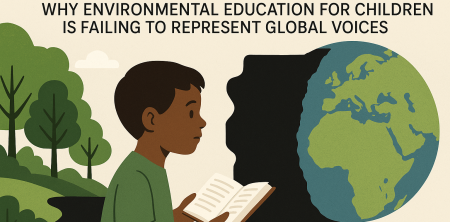
In an era where climate change is a pressing concern, the importance of environmental education for children cannot be overstated. It provides the foundational knowledge and skills necessary for the next generation to engage with environmental issues, fostering both awareness and activism. However, an alarming trend has emerged in the research surrounding this crucial field: a striking geographic imbalance in the studies conducted. This imbalance raises critical questions about representation and inclusivity in environmental education.
The Scope of Environmental Education Research
Environmental education is designed to connect children with nature, instilling a sense of responsibility and stewardship towards the environment. This educational field aims to empower young individuals to understand complex ecological systems and participate in sustainable practices. However, a thorough examination of existing research into environmental education for children reveals a significant disparity in the geographic distribution of studies.
According to a comprehensive review of literature, a staggering 80.53% of studies on children’s environmental education originate from the Global North. This predominance includes countries such as Australia, the United States, the United Kingdom, Finland, and Canada, which collectively dominate the discourse surrounding environmental education. This bias raises concerns about the validity of findings and the inclusivity of the educational resources available globally.
Identifying the Gap: Geographic Disparities
The geographical overrepresentation of the Global North in environmental education research presents a skewed perspective that may not reflect the experiences or needs of children in the Global South. While children in developed nations often engage with environmental education through structured curricula, those in developing countries may lack the same access to resources, education, and research.
This gap invites critical examination of whose voices are being amplified in environmental education. For instance, children in regions that are severely impacted by climate change, such as parts of Africa, South Asia, and Latin America, often have unique relationships with their local environments yet are frequently excluded from the academic discourse.
The Implications of a Skewed Knowledge Base
The concentration of research efforts in a handful of wealthy countries leads to a narrow understanding of environmental issues. This creates a risk that strategies and solutions derived from this research may not be applicable or effective in different contexts. For example, conservation practices in Australia may not resonate with the cultural and ecological realities faced by children in the Amazon rainforest.
This discrepancy underscores the importance of embracing a more holistic approach to environmental education that includes diverse voices and perspectives. By doing so, educators can better equip children across the globe with the knowledge and skills necessary to address their unique environmental challenges.
Challenges Faced by Children in the Global South
Children in the Global South encounter myriad challenges related to environmental issues, ranging from pollution and deforestation to the impacts of climate change. However, these experiences are often overlooked in the global narrative of environmental education. For instance, children living in urban slums may deal with severe air pollution, yet their specific educational needs regarding this issue may not be adequately addressed in the dominant literature.
Additionally, children in rural areas may possess traditional ecological knowledge that is invaluable for sustainable practices but remains unrecognized in formal educational settings. This knowledge could play a crucial role in shaping environmentally sound policies and practices, illustrating the need for a more inclusive approach to environmental education.
Building Inclusive Environmental Education Frameworks
To bridge the gap in environmental education, it is essential to develop frameworks that promote inclusivity and diversity. This can be achieved through collaborative research efforts that involve educators, researchers, and communities from underrepresented regions. By fostering partnerships across borders, it is possible to integrate local ecological knowledge into educational materials and curricula, thus enriching the learning experience for all children. (See: Environmental health and education.)
Moreover, incorporating a variety of teaching methodologies can help cater to the diverse learning styles and cultural backgrounds of children. This may include utilizing hands-on learning experiences, outdoor education, and community engagement projects that allow children to directly interact with their environment.
Global Collaboration: Lessons from Diverse Contexts
Looking towards successful case studies in environmental education can provide valuable insights into effective practices. For instance, initiatives in Kenya and Brazil have demonstrated the importance of integrating local cultural practices with environmental conservation. In these settings, children learn about their local ecosystems while also engaging in community-led conservation efforts, fostering a sense of ownership and responsibility for their environment.
These examples highlight the potential for scalable models of environmental education that are not only contextually relevant but also empowering for children. By emphasizing collaboration and community involvement, educators can create curricula that reflect the realities faced by children in various geographic contexts.
The Role of Technology in Enhancing Environmental Education
In an increasingly digital world, technology can play a significant role in bridging the geographic divide in environmental education. Online platforms can facilitate access to educational resources and foster global exchanges among children from different cultures. This opens up opportunities for collaborative projects and shared learning experiences, allowing children to gain insights into environmental issues faced by their peers worldwide.
Moreover, interactive technologies such as virtual reality (VR) and augmented reality (AR) can enhance environmental education by providing immersive experiences that foster empathy and understanding. For example, VR simulations can transport students to ecosystems around the globe, allowing them to explore diverse environments and the challenges they face.
Advocating for Policy Change
To address the disparities in environmental education for children, it is crucial to advocate for policy changes that prioritize inclusivity. Policymakers should recognize the importance of supporting research and educational initiatives in underrepresented regions, ensuring that all children have access to quality environmental education.
Additionally, funding should be allocated to projects that aim to develop culturally relevant curricula that reflect the diverse experiences of children around the world. By elevating the voices of marginalized communities, policies can ensure that environmental education becomes a truly global endeavor.
Conclusion: A Call to Action
The current state of environmental education research highlights a significant disconnect between the ideals of global inclusivity and the reality of concentrated knowledge production. To create a more equitable future, it is imperative that educators, researchers, and policymakers work together to ensure that all children, regardless of their geographic location, have access to high-quality environmental education.
By fostering a diverse and inclusive educational landscape, we can empower the next generation to address the pressing environmental challenges they face. It is time to broaden the narrative, integrate diverse perspectives, and advocate for a more inclusive approach to environmental education for children. Only then can we hope to cultivate a generation of environmentally literate, responsible stewards of our planet.
Expanding the Importance of Environmental Education for Children
Environmental education for children is not just about imparting knowledge; it is about shaping the attitudes and behaviors that will define future generations. Children who are educated about environmental issues are more likely to become conscientious adults who advocate for sustainable practices. The role of environmental education in developing critical thinking skills cannot be overlooked. By encouraging children to explore, question, and analyze environmental data and phenomena, we create a generation equipped to tackle complex global challenges.
Statistics and Impact
Research indicates that children who receive environmental education are more likely to engage in pro-environmental behaviors as adults. A study conducted by the North American Association for Environmental Education (NAAEE) found that over 75% of adults who were involved in environmental education as children reported making environmentally responsible choices in their daily lives. This statistic exemplifies the long-term impact that early education can have on environmental stewardship. (See: Importance of environmental education.)
Innovative Practices in Environmental Education
Many schools around the world have begun to adopt innovative practices in environmental education. For instance, the Eco-Schools program, which is active in over 60 countries, encourages schools to implement sustainability initiatives while integrating environmental education into the curriculum. This holistic approach not only educates students about environmental issues but also empowers them to take actionable steps within their communities. For instance, students may engage in projects like school gardens, waste recycling programs, or energy conservation campaigns that contribute to a healthier environment and promote a sense of agency among children.
Case Studies in Effective Environmental Education
Several case studies demonstrate the efficacy of comprehensive environmental education programs. In Sweden, the municipality of Malmö has implemented a city-wide initiative that promotes sustainability in schools. Students participate in hands-on projects that focus on urban ecology, renewable energy, and climate action. This initiative has not only increased students’ knowledge but has also improved their connection to the city’s green spaces, fostering a sense of ownership and responsibility. Similarly, in Indonesia, a program focused on marine conservation engages school children in local beach clean-ups and biodiversity monitoring, embedding environmental stewardship into their cultural context.
Frequently Asked Questions (FAQ)
What is the primary goal of environmental education for children?
The primary goal of environmental education for children is to foster an understanding and appreciation of the environment, encouraging children to develop a sense of responsibility and stewardship towards natural resources and ecological systems.
How does environmental education benefit children?
Environmental education benefits children by enhancing their critical thinking skills, promoting pro-environmental behaviors, and instilling a sense of agency and responsibility. It prepares them to engage with complex environmental issues and empowers them to take action.
What are effective teaching methods for environmental education?
Effective teaching methods for environmental education include hands-on learning, outdoor education, project-based learning, and community engagement. These methods help students connect theoretical knowledge with real-world applications and foster a deeper understanding of local ecological issues.
How can parents support environmental education at home?
Parents can support environmental education at home by engaging their children in discussions about nature, encouraging outdoor play, participating in community clean-up events, and incorporating sustainable practices into daily life, such as recycling and conserving energy.
Is environmental education part of the formal curriculum?
The inclusion of environmental education in formal curricula varies by region and country. While some educational systems have integrated environmental education into their core subjects, others may lack comprehensive programs. Advocacy for policy changes can help promote the inclusion of environmental education in schools worldwide.
Can technology enhance environmental education?
Yes, technology can significantly enhance environmental education by providing interactive learning experiences, facilitating global collaborations, and offering access to diverse educational resources. Tools like virtual reality can immerse students in different ecosystems, making learning more engaging and impactful.
How do cultural differences affect environmental education?
Cultural differences can influence the perspectives and values that children bring to environmental education. It is essential to consider local customs, knowledge, and ecological realities when designing education programs to ensure they are relevant and resonate with the students' backgrounds.
What role do community partnerships play in environmental education?
Community partnerships are vital in environmental education as they provide resources, expertise, and real-world contexts for learning. Collaborations with local organizations, activists, and experts can enrich programs and create opportunities for students to engage in meaningful environmental initiatives. (See: Research on environmental education disparities.)
Promoting Environmental Education in Schools
To effectively promote environmental education in schools, it is essential to include it as part of the core curriculum. Many educational institutions around the world are beginning to recognize the importance of environmental education and are taking steps to integrate it into various subjects. This can include teaching scientific principles through the lens of environmental issues, encouraging students to investigate local ecological problems, and developing critical thinking skills around sustainability.
For example, science classes could incorporate projects that involve field studies of local habitats, where students can observe biodiversity and learn about ecosystem interactions. Similarly, geography lessons could explore the impacts of climate change on different regions, helping students to connect theoretical knowledge with real-world implications. By embedding environmental education into existing subjects, schools can create a more comprehensive approach to understanding and addressing these critical issues.
Community Engagement and Environmental Education
Engaging the community in environmental education initiatives is another vital aspect of fostering sustainability. Schools can collaborate with local organizations, environmental groups, and experts to create programs that extend beyond the classroom. Community gardens, nature walks, and local clean-up events can provide practical experiences that reinforce the importance of caring for the environment.
Moreover, involving parents and community members in educational activities can strengthen the impact of environmental education. When families participate in environmental initiatives, children are more likely to adopt sustainable practices at home. This collective effort creates a culture of environmental responsibility that extends beyond the school and into the community.
Measuring the Impact of Environmental Education
To ensure the effectiveness of environmental education programs, it is crucial to develop metrics for measuring their impact. Assessing changes in knowledge, behaviors, and attitudes towards environmental issues can provide valuable insights into the success of various initiatives. Surveys, interviews, and observational studies can help educators understand how well students comprehend environmental concepts and whether they are motivated to engage in pro-environmental behaviors.
Furthermore, long-term studies that track students over time can reveal the lasting effects of environmental education. For instance, evaluating whether students who participated in environmental education programs remain engaged in sustainability efforts as adults can provide critical data for refining and improving educational practices.
Conclusion: A Holistic Approach to Environmental Education
The evolution of environmental education for children reflects a growing recognition of its critical role in shaping responsible global citizens. By fostering inclusive frameworks, leveraging technology, and embracing community involvement, we can create effective educational experiences that empower children to understand and tackle pressing environmental challenges. As we move forward, it is essential to advocate for a comprehensive approach that prioritizes inclusivity and diversity, ensuring that every child has the opportunity to engage with and learn from their environment. In doing so, we cultivate a generation of environmentally conscious leaders who will safeguard our planet for generations to come.
```
Trending Now
Frequently Asked Questions
Why is environmental education important for children?
Environmental education is crucial for children as it equips them with the knowledge and skills needed to understand and address climate change. It fosters awareness, responsibility, and activism, enabling the next generation to engage meaningfully with environmental issues.
What is the geographic imbalance in environmental education research?
A significant geographic imbalance exists in environmental education research, with over 80% of studies originating from the Global North. This predominance raises concerns about the inclusivity and representation of diverse global voices in environmental education.
How does environmental education differ between the Global North and Global South?
In the Global North, environmental education is often structured and curriculum-based, while children in the Global South may face challenges such as lack of resources and access to education, resulting in a disparity in environmental learning opportunities.
What are the implications of a biased environmental education?
A biased environmental education can lead to a narrow understanding of ecological issues, as it may not reflect the experiences or needs of children in diverse geographical contexts. This can diminish the effectiveness of educational resources and limit global environmental stewardship.
How can we make environmental education more inclusive?
To make environmental education more inclusive, it is essential to incorporate diverse perspectives from the Global South, ensure equitable access to resources, and engage local communities in developing curricula that reflect their unique environmental challenges and knowledge.
What's your take on this? Share your thoughts in the comments below — we read every one.

