```html
The debate surrounding learning styles theory has persisted for decades, captivating educators, researchers, and students alike. While many believe that understanding individual learning preferences can enhance educational outcomes, a growing body of research questions the validity of this theory. In this article, we’ll explore the background of learning styles, the different models proposed, the criticisms they face, and how this ongoing debate shapes classroom practices.
Understanding Learning Styles Theory
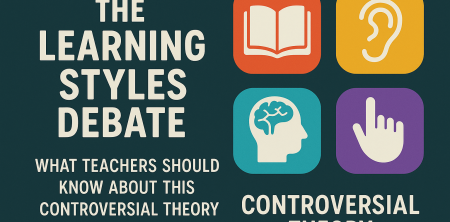
At its core, learning styles theory posits that individuals have specific preferences for how they receive and process information. The concept gained significant traction in the 1970s, particularly through the works of theorists like Neil Fleming, who developed the VARK model. This model categorizes learners into four types: Visual, Auditory, Reading/Writing, and Kinesthetic. Each type reflects a preferred method for absorbing information, suggesting that tailoring teaching strategies to these preferences can enhance learning.
Over the years, various other models have emerged. Gardner’s Theory of Multiple Intelligences, for instance, expands the conversation by proposing that intelligence is multifaceted, encompassing areas like linguistic, logical-mathematical, spatial, and interpersonal intelligences. This theory implies that educational approaches should be as diverse as the learners they aim to serve.
The Popularity and Appeal of Learning Styles
One reason learning styles theory gained popularity in educational settings is its intuitive appeal. The idea that students learn differently resonates with common experiences — think about how some people grasp concepts more easily through diagrams while others prefer lectures. Moreover, as educators strive to create inclusive classrooms that cater to diverse learners, the notion of tailoring instruction based on students’ learning styles seems both practical and necessary.
Many educators have adopted learning styles assessments in their classrooms, believing these tools can help identify student preferences and enhance engagement. Workshops on learning styles are commonplace, and teaching resources often encourage differentiation based on these profiles. Yet, as the theory has grown in popularity, so too have the criticisms surrounding it.
Critiques of Learning Styles Theory
Despite its widespread acceptance, the learning styles theory has been met with substantial skepticism from the academic community. A key critique is the lack of empirical evidence supporting the efficacy of tailoring teaching methods to individual learning styles. In 2009, a comprehensive review by the British Psychological Society concluded that there is no solid scientific basis for the notion that matching instructional methods to a student's learning style improves learning outcomes.
Furthermore, critics argue that the theory oversimplifies the complex nature of learning. Cognitive science suggests that successful learning often involves multiple strategies rather than a one-size-fits-all approach. For instance, a student might benefit from visuals but also grasp concepts through auditory explanations and hands-on activities. This calls into question the utility of categorizing learners strictly into predefined boxes.
Research Findings: What Studies Reveal
In recent years, several studies have aimed to clarify the relationship between learning styles and educational success. A meta-analysis conducted by Pashler et al. in 2009 found no evidence supporting the idea that teaching according to students' preferred learning styles significantly enhances learning. The researchers advocated for a shift towards evidence-based teaching practices instead of relying on learning styles.
Another study published in the journal Psychological Science in the Public Interest echoed similar sentiments, indicating that while students may feel they learn better when instruction aligns with their learning styles, there is no significant correlation between tailored instruction and improved academic performance. This has led many educators to reconsider the emphasis placed on learning styles in their teaching strategies. (See: Learning styles theory overview.)
The Role of Neuroscience and Cognitive Psychology
The rise of cognitive psychology and neuroscience has further illuminated the learning process, providing insights that challenge traditional learning styles theory. Research indicates that learning is a dynamic, adaptive process influenced by various factors, including prior knowledge, motivation, and context.
For example, studies reveal that the brain processes information more effectively when multiple modalities are engaged simultaneously. This suggests that rather than focusing on a single learning style, students could benefit from a more integrative approach that employs various methods—visual aids, discussions, and hands-on activities. In this context, the effectiveness of teaching methods lies less in catering to individual preferences and more in fostering active engagement.
Practical Strategies for Educators
Given the controversies surrounding learning styles theory, it’s essential for educators to adopt strategies that enhance learning while remaining grounded in research. Here are some practical approaches:
- Use a Multimodal Approach: Incorporate various teaching methods to reach all students. For instance, when teaching a concept, combine lectures with visual aids, group discussions, and hands-on projects.
- Foster a Growth Mindset: Encourage students to engage with different learning styles and strategies. This can help them develop adaptability and resilience in their learning process.
- Focus on Metacognition: Teach students to be aware of their learning processes. Encouraging self-reflection on what methods work best for them can empower students to take charge of their education.
- Encourage Collaboration: Promote group work and peer teaching. This not only helps students learn from one another but also introduces them to diverse ways of understanding a topic.
Current Trends: Where Do We Go From Here?
The conversation around learning styles theory is evolving. While the theory itself may be losing traction, the underlying principle of catering to diverse learners remains vital. Today’s educators face the challenge of balancing the desire to personalize instruction with the need for evidence-based practices.
Current trends emphasize the importance of Universal Design for Learning (UDL), an educational framework that promotes flexible approaches to teaching and learning. UDL encourages educators to provide multiple means of representation, engagement, and expression, recognizing that all students benefit from various instructional strategies.
As teachers increasingly adopt UDL principles, they’re likely to find a more effective way to support the diverse needs of their students, moving beyond the limitations of categorizing learners by style.
Debunking Common Myths about Learning Styles
Understanding learning styles theory also involves debunking prevalent myths that can misguide educators and students. Here are some of those beliefs that deserve attention:
- Myth 1: Everyone Has a Fixed Learning Style: Many people believe that once a learning style is identified, it remains constant throughout life. However, learning preferences can change based on context, subject matter, and personal development.
- Myth 2: Matching Instruction to Learning Styles is Essential: While it seems logical that matching teaching methods to learning preferences would enhance learning, research indicates that using a variety of instructional methods often proves more effective than strictly adhering to one style.
- Myth 3: Learning Styles Assessments Are Accurate: The tests designed to determine an individual's learning style often lack reliability and validity. They might categorize a person based on limited questions, ignoring the complex nature of learning.
- Myth 4: Using Learning Styles Will Improve Grades: Just because a student feels more engaged when learning in a preferred style doesn’t mean their grades will improve. Learning outcomes are influenced by numerous factors, including curriculum quality, teaching effectiveness, and student motivation.
Examples of Learning Styles in Higher Education
In the realm of higher education, understanding learning styles theory can manifest in various practical ways. For instance, consider a university course on environmental science. An instructor aware of learning styles might implement the following strategies:
- Visual Learners: Use infographics, videos, and diagrams to depict complex ecological processes, making the information more accessible to visual learners.
- Auditory Learners: Incorporate podcasts featuring expert interviews or encourage group discussions to promote auditory engagement.
- Kinesthetic Learners: Develop lab sessions where students can engage in experiments related to environmental principles, allowing kinesthetic learners to grasp concepts through hands-on experience.
However, while these methods can appeal to different learners, it’s essential to blend them into a cohesive teaching strategy that values diverse methods over rigid classification.
Expert Perspectives on Learning Styles
Experts in education and psychology have weighed in on the topic of learning styles. Dr. Daniel Willingham, a cognitive scientist, argues that while it’s true people have preferences, those preferences shouldn’t dictate how we teach. He emphasizes that the evidence suggests students benefit from learning through a variety of methods. “If you want to help students learn, your focus should be on evidence-based strategies,” he explains. (See: Research on learning styles validity.)
Dr. John Hattie, known for his research on visible learning, also cautions against the rigid application of learning styles. According to him, “The best teachers provide a range of experiences and then let students choose how they wish to engage with the learning.” This sentiment aligns with the growing consensus that adaptability, rather than strict adherence to learning styles, should guide teaching practices.
Frequently Asked Questions about Learning Styles Theory
What are the main types of learning styles?
The most recognized models include the VARK model (Visual, Auditory, Reading/Writing, Kinesthetic) and Gardner's Multiple Intelligences (such as linguistic, logical-mathematical, and interpersonal intelligences). However, these categories can oversimplify the diversity of learners.
Can I change my learning style?
Yes, learning preferences can evolve based on experiences, subjects, and teaching methods. Flexibility is key, as adaptability in learning can enhance educational success.
What should educators focus on instead of learning styles?
Educators may benefit from emphasizing engagement strategies, active learning, and a variety of instructional methods that cater to all students. Incorporating UDL principles can create a supportive learning environment for diverse needs.
Are there any effective assessments for learning styles?
Many learning styles assessments lack reliability and validity. It's advisable for educators to utilize tools that assess student knowledge and comprehension rather than relying solely on learning style inventories.
How can I support my child’s learning effectively?
Encourage your child to explore different methods of learning, whether it's through group work, hands-on projects, or visual resources. Creating an environment that promotes curiosity and adaptability can foster a love for learning.
Incorporating Technology in Learning Styles
In today’s digital age, technology plays a pivotal role in addressing diverse learning preferences. Online platforms offer a variety of resources that cater to different learning styles. For instance, video tutorials serve visual learners, while podcasts can engage auditory learners effectively. Interactive platforms like Kahoot or Quizlet allow for gamified learning experiences that can appeal to kinesthetic learners.
Moreover, adaptive learning technologies utilize algorithms to personalize education, providing tailored content based on a student’s interactions and performance. This approach embodies the essence of creating individualized learning pathways, enabling students to navigate their educational journeys in ways that suit them best.
The Future of Learning Styles Theory
As we move forward, the future of learning styles theory appears to be more about integration than strict categorization. Educators are beginning to recognize the importance of flexibility in teaching methodologies, allowing students to explore and experiment with various approaches. This trend mirrors the broader shift toward competency-based education, which emphasizes mastery over the method of demonstration.
Additionally, the ongoing advancements in research on brain science and learning processes continue to inform teaching practices. Educators are now encouraged to focus on understanding how their students learn best, rather than simply categorizing them into fixed styles. This shift fosters a more inclusive environment that prioritizes adaptation and responsiveness to learners' needs.
Real-World Applications for Learning Styles
Real-world applications of learning styles theory can be observed in various settings beyond the classroom. For example, corporate training programs often utilize knowledge of learning styles to develop more effective training sessions. By incorporating visual aids, interactive simulations, and discussion-based learning, trainers can accommodate the diverse preferences of employees, enhancing retention and application of new skills.
Moreover, personal development courses frequently leverage learning styles concepts, allowing participants to tailor their experiences according to their preferences. This can lead to higher engagement levels and improved outcomes, demonstrating the potential benefits of considering learning styles in adult education contexts.
Final Thoughts on Learning Styles Theory
The debate over learning styles theory highlights a critical intersection of educational theory and practice. While the allure of customizing instruction based on learning preferences is appealing, the evidence suggests that a more nuanced approach is necessary. Educators are encouraged to embrace a variety of teaching methods, grounded in research, that foster engagement and critical thinking across diverse learners.
Ultimately, the goal is not merely to categorize students into fixed types but to facilitate their growth and adaptability in an ever-changing educational landscape. As the learning styles debate continues, it’s clear that the future of education lies in understanding the complexities of learning and the myriad ways students can thrive.
```
Trending Now
- the complete explanation
- our breakdown of “why phonological awareness predicts reading success better than letter knowledge”
- our breakdown of “how transitional kindergarten prepares children for academic success in elementary school”
- “How Gross Motor Development Supports Academic…
- “How to Assess Phonological Awareness Skills in Young Children: Screening Tools and Benchmarks”
Frequently Asked Questions
What are the different types of learning styles?
The main types of learning styles include Visual, Auditory, Reading/Writing, and Kinesthetic, as outlined in Neil Fleming's VARK model. Each type represents a preferred way of absorbing information, suggesting that teaching strategies should align with these preferences to improve learning outcomes.
Why is the learning styles theory controversial?
The learning styles theory is controversial because a growing body of research questions its validity. Critics argue that there is insufficient evidence to support the effectiveness of tailoring instruction to individual learning styles, suggesting that teaching methods should instead focus on the content and context.
How can understanding learning styles benefit teachers?
Understanding learning styles can help teachers create more inclusive and engaging classroom environments. By recognizing that students may have different preferences for processing information, educators can diversify their teaching strategies, potentially enhancing student engagement and learning outcomes.
What is Gardner's Theory of Multiple Intelligences?
Gardner's Theory of Multiple Intelligences expands the concept of learning styles by proposing that intelligence is multifaceted. It includes various types such as linguistic, logical-mathematical, spatial, and interpersonal, suggesting that educational approaches should cater to these diverse intelligences.
How has the learning styles theory evolved over time?
Since its inception in the 1970s, the learning styles theory has evolved with various models emerging, such as the VARK model and Gardner's Theory of Multiple Intelligences. Despite its popularity, ongoing research continues to challenge its foundational principles and effectiveness in educational practice.
Agree or disagree? Drop a comment and tell us what you think.

