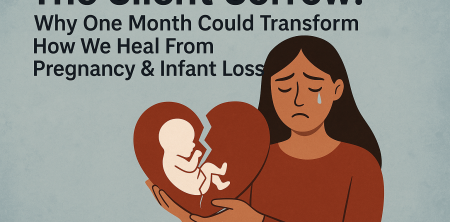
When you picture October, what comes to mind? For many, it's crisp air, pumpkin spice, and Halloween costumes. But for millions of families across the globe, October carries a far heavier, more profound significance: it’s Pregnancy and Infant Loss Awareness Month. This designation isn't just a calendar entry; it's a vital, deeply human effort to acknowledge a silent sorrow that touches countless lives, yet often remains shrouded in isolation and misunderstanding. It's a time to pull back the curtain on a grief that is often dismissed or minimized, allowing those who've walked through it to find community, solace, and a pathway to healing.
The very existence of Pregnancy and Infant Loss Awareness Month, first declared in 1988 by President Ronald Reagan in the United States, speaks volumes about the pervasive nature of this experience. It's a recognition that losing a baby, whether through miscarriage, stillbirth, SIDS, or neonatal death, isn't just a medical event; it's a life-altering tragedy that deserves collective empathy and support. Yet, for decades, these losses were largely endured in silence, often behind closed doors, leaving parents feeling profoundly alone in their anguish. The shift towards open dialogue and official recognition, amplified by reports like the one from Louisiana First News featuring individuals such as Jackie Walker, underscores a growing, essential movement to change this narrative. It's about saying, unequivocally, 'You are not alone, and your grief matters.'
The Unseen Epidemic: Understanding the Scope of Loss
To truly grasp the importance of pregnancy and infant loss awareness, we need to understand just how common these experiences are. We're not talking about rare occurrences; we're talking about an unseen epidemic. Miscarriage, for instance, is far more prevalent than many realize, with estimates suggesting that up to 1 in 4 recognized pregnancies end in loss. Think about that for a moment: a quarter of all pregnancies. That's a staggering figure, meaning nearly everyone knows someone who has experienced this profound heartbreak, even if they don't know it explicitly.
Beyond miscarriage, the statistics continue to paint a stark picture. Stillbirth, defined as the loss of a baby at 20 weeks gestation or later, affects approximately 1 in 160 pregnancies in the U.S. annually. Then there's infant death, which includes losses from conditions like Sudden Infant Death Syndrome (SIDS), birth defects, and other complications within the first year of life. Each of these numbers represents a family whose world has been irrevocably altered, a future snatched away, and dreams shattered. These aren't just statistics; they are stories of profound love and devastating loss, repeated millions of times over. The sheer scale of these losses demands our attention, our compassion, and a concerted effort to provide meaningful support. This is precisely why initiatives like Pregnancy and Infant Loss Awareness Month are so incredibly vital.
Breaking the Silence: The Stigma and Isolation of Grief
One of the most insidious aspects of pregnancy and infant loss is the profound silence that often surrounds it. For too long, societal norms have dictated that these losses should be private, hushed, almost shameful. This cultural reticence creates an isolating environment for grieving parents, making an already unbearable situation even more agonizing. When a baby is lost, especially early in pregnancy, the grief is often invisible to the outside world. There are no funeral services in many cases, no public obituaries, and often, little to no acknowledgment from friends, family, or even medical professionals beyond the immediate event.
This lack of public recognition effectively denies the legitimacy of the parents' grief. How do you mourn something that, to others, didn't fully exist? How do you explain the crushing weight of sorrow for a baby you never held, or only held for a fleeting moment? The result is often a profound sense of loneliness, where parents feel they must suffer in secret, afraid to burden others or to be perceived as 'overreacting.' This stigma isn't just unkind; it's actively harmful, impeding the natural healing process and preventing individuals from accessing the support they desperately need. Pregnancy and infant loss awareness seeks to dismantle this stigma, creating spaces where grief can be openly expressed and validated.
The Power of Shared Stories: Finding Community in Grief
For individuals and couples navigating the unimaginable pain of losing a baby, one of the most powerful antidotes to isolation is finding community. This is where the true heart of Pregnancy and Infant Loss Awareness Month lies – in creating connections. When Jackie Walker shared her story on Louisiana First News, she wasn't just recounting a personal tragedy; she was extending a hand to countless others who have walked a similar path. Her vulnerability becomes a beacon, signaling to others that it's safe to share their own experiences, to feel their feelings, and to know they're not alone in the wreckage of their dreams.
These shared stories form the bedrock of support networks, both online and in person. When you hear someone else articulate the exact ache in your chest, the specific fear that no one will remember your baby, or the unique struggle of navigating a world that seems to have moved on, it’s like a lifeline. It validates your experience and provides a sense of belonging that is otherwise impossible to find. Support groups, online forums, and even casual conversations with fellow bereaved parents offer a sanctuary where judgment is absent, and understanding is abundant. In these spaces, grief isn't something to be fixed or rushed; it's something to be held, witnessed, and processed alongside others who truly 'get it.' This communal embrace is indispensable for healing.
Beyond Awareness: Concrete Steps for Support and Remembrance
Awareness is a crucial first step, but it must be followed by tangible action. Pregnancy and Infant Loss Awareness Month isn't just about acknowledging the problem; it's about fostering environments where real support and remembrance can flourish. What does that look like in practice? It encompasses a wide range of initiatives, from local support groups meeting in church basements to national organizations advocating for better medical protocols and compassionate care. (See: CDC on stillbirth facts.)
For instance, many hospitals now offer bereavement programs, providing resources like memory boxes, professional counseling referrals, and follow-up care for parents who have experienced loss. These programs are a far cry from the days when parents were often sent home with little more than a pamphlet, expected to 'move on.' Beyond institutional support, community-led initiatives are vital. This includes remembrance walks, candle-lighting ceremonies – often held on October 15th, International Pregnancy and Infant Loss Remembrance Day – and memorial gardens where families can honor their babies. These acts of remembrance, whether public or private, are essential for parents to integrate their loss into their lives and to keep the memory of their child alive. They provide a space to grieve openly, to speak their baby's name, and to acknowledge that, even in absence, love endures.
The Role of Healthcare Professionals in Pregnancy and Infant Loss
The journey through pregnancy and infant loss often begins and ends within the healthcare system, making the role of medical professionals absolutely critical. Compassionate, informed care can make an immense difference in a family's experience, while insensitive or rushed interactions can inflict additional, lasting trauma. Pregnancy and infant loss awareness among doctors, nurses, and support staff is paramount. This means more than just clinical competence; it requires empathy, communication skills, and an understanding of the profound emotional landscape parents are navigating.
Training for healthcare providers increasingly emphasizes the importance of offering choices to grieving parents, such as spending time with their baby, creating memories (like handprints or footprints), and receiving clear, compassionate information. It's about acknowledging the baby as a person, not just a medical event. Furthermore, follow-up care is essential. Grieving parents need to know about available mental health resources, support groups, and how to navigate future pregnancies if they choose to try again. Organizations like Resolve Through Sharing (RTS) offer training programs to healthcare providers, equipping them with the tools to provide truly patient-centered, empathetic care during these incredibly difficult times. This holistic approach ensures that medical care extends beyond the physical, embracing the emotional and psychological needs of bereaved families.
Governmental Recognition: Proclamations and Policy
While personal stories and community initiatives are the heart of pregnancy and infant loss awareness, official governmental recognition provides a powerful, validating framework. When local government bodies, like the Lake County Board of Supervisors mentioned in the source material, issue proclamations designating October as Pregnancy and Infant Loss Awareness Month, it sends a clear message: this issue matters, and these families deserve recognition and support. These proclamations aren't just symbolic gestures; they elevate the conversation, encouraging broader societal acknowledgment and potentially paving the way for more substantive policy changes.
On a larger scale, such recognition can influence funding for research into the causes of stillbirth and infant death, improve access to mental health services for bereaved parents, and support educational programs for healthcare providers. It legitimizes the grief of millions and ensures that the needs of these families are considered in public health initiatives. The very act of a governing body officially acknowledging such a deeply personal sorrow helps to dismantle the stigma and fosters a more compassionate, understanding society. It’s a crucial step in transforming individual pain into a collective call for empathy and action.
Beyond October: Sustaining Awareness and Support Year-Round
While October serves as a vital focal point for pregnancy and infant loss awareness, the grief and need for support don't magically disappear on November 1st. For bereaved parents, every day can bring a fresh wave of sorrow, a new milestone missed, or a poignant memory. Therefore, the challenge and opportunity lie in sustaining this awareness and support year-round. How do we ensure that the conversations started in October continue, and that resources remain accessible long after the official month concludes?
This requires ongoing commitment from individuals, communities, and organizations. It means continuing to share stories, even outside of designated awareness periods. It means supporting local and national organizations that provide grief counseling, peer support, and advocacy throughout the year. It means fostering environments in workplaces, schools, and social circles where grief is understood and accommodated, rather than expected to be hidden. Ultimately, true support for pregnancy and infant loss requires a cultural shift – one where compassion for unimaginable loss becomes an ingrained part of our collective consciousness, not just an annual observance. We must strive to build a society where bereaved parents feel seen, heard, and supported every single day.
Navigating Future Pregnancies After Loss
For many parents who experience pregnancy or infant loss, the desire to try for another child can be incredibly strong, yet also fraught with intense anxiety and fear. This subsequent journey, often referred to as a 'rainbow pregnancy,' after the storm of loss, comes with its own unique set of emotional challenges. Pregnancy and infant loss awareness must also extend to understanding and supporting parents through these incredibly vulnerable times.
Healthcare providers play a crucial role here, offering increased monitoring, emotional support, and reassurance. Parents in subsequent pregnancies often grapple with a complex mix of hope and terror, finding it difficult to fully embrace the joy of a new pregnancy while simultaneously bracing for potential heartbreak. Friends and family can offer invaluable support by acknowledging the difficulty of this journey, avoiding platitudes like 'this baby will make everything better,' and simply being present and empathetic. The goal isn't to erase the memory of the baby who was lost, but to make space for new life while honoring the past. It's a testament to resilience and hope, but it's a path that is rarely easy and requires immense understanding from those around them.
The Lasting Impact: How Loss Shapes Lives
The loss of a baby, regardless of gestation or circumstance, leaves an indelible mark on parents, families, and even communities. It’s a wound that may heal over time, but the scar remains, a permanent reminder of a life that was, or could have been. Understanding this lasting impact is fundamental to genuine pregnancy and infant loss awareness. This isn't a grief that 'gets over,' but rather one that integrates into a person's life, shaping their perspective, their relationships, and their understanding of joy and sorrow.
Parents may find themselves forever changed, with a heightened sense of empathy, a different appreciation for life, or even a deeper spiritual connection. The ripple effects extend to siblings, grandparents, and the wider family unit, each grappling with their own unique form of grief. By openly acknowledging these losses and the profound, enduring grief they entail, we create a more compassionate society. We allow those who have lost to carry their sorrow with dignity, to remember their children openly, and to find ways to honor their love in meaningful ways. The goal is not to erase the pain, but to ensure that no one has to walk through it alone, and that the memory of every baby, no matter how brief their existence, is cherished and remembered. (See: WHO maternal mortality fact sheet.)
Expert Perspectives: Insights from Grief Counselors and Researchers
To truly understand the nuances of pregnancy and infant loss, it's helpful to hear from those who dedicate their careers to supporting bereaved families and studying the impact of these losses. Grief counselors consistently emphasize that the intensity of grief is not proportional to the length of a baby's life, or even whether the baby was held. They often explain that parents grieve the loss of a future – the dreams, milestones, and identity that came with expecting a child. Dr. Joanne Cacciatore, a leading researcher in traumatic grief, advocates for 'compassionate presence,' which means simply being with the grieving person without judgment or attempts to fix their pain. She highlights that society often tries to rush bereaved parents through their grief, which can be incredibly damaging. Her work underscores the importance of validating the profound, enduring nature of this type of loss.
Researchers in the field also point out the unique challenges faced by fathers, who are often overlooked in the grief process. Societal expectations sometimes push fathers to be 'strong' for their partners, forcing them to suppress their own sorrow. This can lead to isolated grief and long-term emotional struggles. Acknowledging and supporting fathers' grief is a crucial, often neglected, component of comprehensive pregnancy and infant loss awareness. Experts agree that a multi-faceted approach, involving medical, psychological, and community support, is essential for healthy grieving and long-term well-being.
Global Disparities in Loss and Support
While pregnancy and infant loss is a universal experience, the resources and support available vary dramatically across the globe. In many developing countries, the rates of stillbirth and neonatal death are significantly higher due to limited access to prenatal care, skilled birth attendants, and emergency medical services. For example, the World Health Organization (WHO) reports that stillbirths are concentrated in low-income countries, with sub-Saharan Africa and South Asia accounting for a staggering 75% of all stillbirths. The grief in these regions is compounded by systemic issues, often lacking the bereavement support, counseling, or even the societal acknowledgment seen in more affluent nations.
This global disparity highlights an urgent need for increased awareness and intervention on an international scale. Efforts to improve maternal and child health outcomes can simultaneously reduce the incidence of loss and ensure that grieving families, regardless of their geographical location or socioeconomic status, receive compassionate care and support. Pregnancy and infant loss awareness, therefore, isn't just a localized issue; it's a global human rights concern, calling for equitable access to healthcare and grief resources for all.
The Impact on Relationships and Mental Health
Losing a baby can place immense strain on a couple's relationship. Partners often grieve differently, which can lead to misunderstandings, feelings of isolation, and even conflict. One partner might need to talk constantly about the baby, while the other might cope by focusing on practical matters or seeking distractions. Without open communication and a shared understanding that there's no 'right' way to grieve, these differences can create distance. Counseling specifically designed for couples experiencing loss can be incredibly beneficial, helping them to navigate their individual grief while supporting each other.
Beyond the couple, pregnancy and infant loss can have significant mental health implications for parents. Studies show an increased risk of depression, anxiety, post-traumatic stress disorder (PTSD), and even complicated grief, which is a prolonged and intense form of sorrow that interferes with daily functioning. The invisibility of the loss, coupled with the societal pressure to 'move on,' can exacerbate these conditions. This is why accessible mental health services, from individual therapy to support groups, are not just helpful but often critical for the long-term well-being of bereaved parents. Recognizing these mental health risks is a core component of comprehensive pregnancy and infant loss awareness.
Frequently Asked Questions About Pregnancy and Infant Loss Awareness
Q: What is Pregnancy and Infant Loss Awareness Month?
A: Pregnancy and Infant Loss Awareness Month is observed every October, dedicated to raising public awareness about pregnancy loss and infant death, including miscarriage, stillbirth, SIDS, and neonatal death. It aims to provide support to bereaved families and acknowledge their grief.
Q: When was Pregnancy and Infant Loss Awareness Month first recognized?
A: It was first proclaimed in the United States by President Ronald Reagan in 1988, marking a significant step towards public acknowledgment of this widespread sorrow.
Q: What is International Pregnancy and Infant Loss Remembrance Day?
A: This special day falls on October 15th each year. Many communities hold candle-lighting ceremonies at 7:00 PM local time, creating a global 'Wave of Light' to honor babies who have passed away. (See: NIH on pregnancy loss.)
Q: How common are pregnancy and infant losses?
A: Unfortunately, they are very common. It's estimated that up to 1 in 4 recognized pregnancies end in miscarriage. Stillbirth affects about 1 in 160 pregnancies, and infant death (within the first year of life) also impacts many families. These numbers highlight the pervasive nature of these losses.
Q: Why is awareness important?
A: Awareness helps to break the silence and stigma surrounding these losses, allowing grieving parents to feel seen, heard, and supported. It also encourages better medical care, increased research, and a more compassionate society for bereaved families.
Q: What can I do to support someone who has experienced a loss?
A: Listen without judgment, validate their grief, and speak their baby's name if they've shared it. Avoid platitudes like "everything happens for a reason." Offer practical help (meals, errands) and remember them beyond the immediate loss, especially on anniversaries or holidays. Simply acknowledging their pain and being present can make a huge difference.
Q: Are there resources for grieving parents?
A: Yes, many. There are local and national support groups, online communities, grief counselors specializing in loss, and hospital bereavement programs. Organizations like Resolve Through Sharing (RTS), The Compassionate Friends, and national stillbirth and miscarriage foundations offer a wealth of support and information.
Q: How does grief from pregnancy/infant loss differ from other types of grief?
A: While all grief is unique, this particular loss often carries an invisible or disenfranchised grief component because the baby may not have been known to others, or society doesn't fully acknowledge the depth of the loss. Parents grieve not only the baby but also the hopes, dreams, and future they envisioned for that child and their family.
The Path Forward: A Call to Collective Empathy
Ultimately, Pregnancy and Infant Loss Awareness Month is a powerful call to collective empathy. It asks us to pause, to listen, and to open our hearts to a form of grief that has too long been hidden. By understanding the statistics, dismantling the stigma, supporting healthcare professionals, and advocating for policy changes, we can transform how society responds to these profound losses. It's about creating a world where no parent has to suffer in silence, where every baby's life, no matter how brief, is acknowledged and cherished. The journey of grief is long and winding, but with sustained awareness and compassionate support, bereaved families can find paths to healing, remembrance, and even renewed hope. This October, and every month, let's commit to being a beacon of light for those walking through the darkness of loss.
Trending Now
Frequently Asked Questions
What is Pregnancy and Infant Loss Awareness Month?
Pregnancy and Infant Loss Awareness Month is observed every October to honor families affected by pregnancy and infant loss. Declared in 1988, it aims to raise awareness about the emotional impact of miscarriages, stillbirths, and neonatal deaths, fostering community support and open dialogue around these often-silenced experiences.
How common is pregnancy loss?
Pregnancy loss is more common than many people realize, with estimates suggesting that up to 1 in 4 recognized pregnancies end in miscarriage. This statistic highlights the prevalence of loss and emphasizes the importance of awareness and support for grieving families.
Why is it important to talk about pregnancy and infant loss?
Discussing pregnancy and infant loss is crucial because it helps break the silence surrounding these experiences, allowing grieving parents to feel less isolated. Open dialogue fosters empathy, understanding, and support, which are essential for healing and creating a sense of community.
What are some ways to support someone who has experienced a loss?
Supporting someone who has experienced pregnancy or infant loss involves offering a listening ear, validating their feelings, and avoiding minimizing their grief. Practical support, such as providing meals or helping with errands, can also be beneficial, as well as encouraging them to seek professional help if needed.
How can awareness months help in healing from loss?
Awareness months like Pregnancy and Infant Loss Awareness Month provide a platform to acknowledge and validate the grief associated with loss. They encourage community support, promote open conversations, and help families connect with resources, which can be instrumental in the healing process.
Have you experienced this yourself? We'd love to hear your story in the comments.

