```html
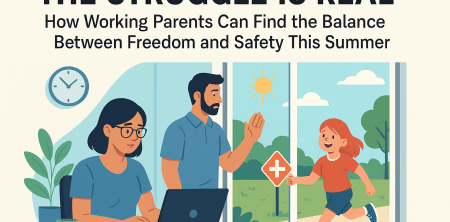
As summer approaches, working parents across the country find themselves wrestling with a familiar dilemma: how to provide their children with the freedom they crave while ensuring their safety. This balancing act is especially pronounced during the long break when kids are out of school, leading to increased anxiety around childcare, safety, and the ongoing debate about ‘helicopter parenting’ versus fostering independence.
1. The Nostalgia Factor: Remembering Our Own Summer Freedom
Many parents feel a deep sense of nostalgia when they think back to their own childhood summers. Days spent wandering the neighborhood, riding bikes until the streetlights came on, and organizing impromptu games with friends are often cherished memories. This longing for a simpler, more carefree time influences their desire for their children to enjoy the same kind of freedom.
Yet, there’s a contrast with today’s parenting landscape. In an era increasingly defined by digital connectivity, parents often find themselves wrestling with feelings of guilt for not allowing their kids the same level of independence. As one parent shared, “I want my kids to have the downtime and exploratory play that I had, but the world feels different now.”
2. Summer Safety Concerns: The Reality Check
While the desire for independence is strong, the reality is that parents today face a unique set of safety concerns. Reports of increased traffic, stranger danger, and even the growing prevalence of screens contribute to a pervasive feeling of unease. This has led many parents to question how they can ensure their children are safe while also allowing them to explore.
Moreover, the pandemic has heightened these fears. With many families still feeling the effects of lockdowns, the idea of sending kids out into the world can be intimidating. As a result, many end up resorting to more structured activities or keeping their kids indoors, which can inadvertently limit their chances for self-directed play.
3. Childcare Gaps: A Growing Concern
As children break for summer, working parents often face significant childcare gaps. Balancing work commitments with the need to provide supervision for their kids becomes a logistical puzzle. Many parents find themselves turning to camps or summer programs, but these often come with hefty price tags or limited availability. The struggle to secure affordable and quality childcare intensifies the stress of summer, with parents feeling squeezed between work demands and their children's needs.
Some families find creative solutions, such as forming cooperative childcare arrangements with neighbors, where parents take turns supervising groups of kids. Others may rely on family for support. However, these options aren’t available to everyone, and the lack of reliable childcare can lead to difficult decisions about how much freedom to grant children during the summer.
4. The Screen-Time Dilemma: Finding Balance
With technology woven into the fabric of modern life, parents are often faced with questions about screen time during summer break. Many worry that too much exposure to screens detracts from opportunities for outdoor play and social interaction. But screens can also serve as a useful tool, whether for educational purposes or keeping kids connected with friends.
Striking the right balance means being intentional about guidelines for screen usage. Parents might create schedules that outline when screen time is permitted versus when kids should be encouraged to go outside or engage in creative play. Open discussions about healthy usage can also empower children to make wise choices about how they spend their time.
5. Encouraging Independence: The Fine Line
Fostering independence in children is a priority for many parents, but knowing how to do it can be tricky. Experts often emphasize the importance of gradually giving children more autonomy, which can be as simple as allowing them to play outside without direct supervision for short periods. However, the idea of independence often clashes with the instinct to keep them safe. (See: Child safety tips from CDC.)
Parents can start by setting clear boundaries. Allowing children to explore within a designated space or within a certain timeframe can provide them with freedom while still giving parents peace of mind. It's essential to communicate the reasons behind these boundaries to help children understand the importance of safety while they enjoy their newfound independence.
6. Creative Outdoor Activities: Making Safety Fun
There are countless fun outdoor activities that encourage children to explore while allowing parents to maintain oversight. Organizing scavenger hunts, setting up backyard obstacle courses, or even planning neighborhood nature walks can ignite excitement and foster independence. These activities allow children to engage with their environment while remaining in a safe, supervised space.
Additionally, community programs often offer opportunities for children to participate in sports, arts, and crafts, which can provide both structure and social interaction. These activities help ensure that kids are not only safe but also developing skills and confidence as they learn to navigate their world.
7. Open Communication: The Key to Navigating Summer
Above all, fostering open communication within the family is essential for working parents looking to balance freedom and safety during the summer months. Discussing expectations, safety measures, and personal feelings about independence can help parents and children find common ground. Engaging children in the conversation empowers them to take part in decisions that affect their summer experiences.
Moreover, families can establish routines that encourage participation and accountability among kids. Setting up a weekly family meeting, for example, can provide an opportunity to talk about activities planned for the week ahead and any concerns that may arise. Through these discussions, families can collectively work towards solutions that honor both safety and independence.
8. When to Seek Help: Support Systems
For parents struggling to find a balance between working hours and childcare, it’s important to remember that seeking help is perfectly okay. Many communities offer resources such as parenting groups, local initiatives, and online forums where parents can share experiences and tips. Connecting with other parents can lead to practical solutions and emotional support during the summer months.
If safety concerns escalate, it may be necessary to explore professional childcare options, even if they seem daunting financially. In such cases, it’s worth researching local grants, scholarships, or sliding scale programs that can help offset costs. Investing in the right childcare can ease parental anxieties and create a healthier environment for children.
9. Embracing the Journey: Finding Your Balance
Ultimately, the journey of finding the right balance between freedom and safety during the summer is unique for each family. It’s filled with challenges and opportunities for growth. Embracing this reality allows parents to cultivate resilience in both themselves and their children. By navigating the complexities of working parents summer safety together, families can create lasting memories that blend fun with responsibility.
10. Statistics and Trends in Summer Safety
Understanding the landscape of summertime safety can help parents make informed decisions. According to a recent survey conducted by the National Safety Council, approximately 62% of parents express concern about their children’s safety during the summer months. This survey highlights the increasing anxiety many parents feel as they try to balance work and the needs of their children.
Furthermore, the Centers for Disease Control and Prevention (CDC) reports that summer is the peak time for certain accidents involving children, such as bicycle injuries and drownings. In fact, the CDC notes that in 2019, there were more than 1,500 children under the age of 15 who died due to unintentional injuries during the summer months. These statistics underscore the importance of implementing safety measures and having proactive conversations about risks.
11. Expert Perspectives on Working Parents Summer Safety
Many child psychologists and safety experts weigh in on the complexities working parents face during the summer. Dr. Melanie Smith, a child psychologist specializing in family dynamics, emphasizes the importance of fostering autonomy in children. “While safety is paramount, allowing children to make decisions and take calculated risks is crucial for their development,” she explains. “It’s essential to find the balance where parents feel secure but children also feel empowered.”
Additionally, safety experts recommend parents take the time to educate their children about potential dangers in their environment. For instance, teaching kids about safe pedestrian practices or how to respond if they encounter a stranger can help alleviate some of the fears parents have about letting their kids explore. (See: New York Times on parenting and independence.)
12. Creative Solutions for Busy Families
Many families today are looking for creative, low-cost solutions that can help them manage summer safety while meeting the demands of their work. Here’s a list of practical ideas that can make a difference:
- Neighborhood Watch Groups: Collaborating with neighbors to form informal watch groups can provide assurance. Knowing other parents are looking out for each other’s kids can create a safer environment.
- Community Resource Pools: Pooling resources for activities—with a small group of families taking turns arranging activities—can alleviate the pressure on individual parents and enhance social interaction for kids.
- Skill-Sharing Workshops: Parents can organize workshops where they teach kids various skills, like cooking or gardening, which can be fun and educational while keeping kids supervised.
- Local Summer Programs: Many local parks and recreation departments offer subsidized summer programs that are both affordable and enriching. Many communities provide workshops in arts, sports, and science, helping children learn and play safely.
13. FAQs on Working Parents Summer Safety
1. What age is appropriate for children to start exploring independently during summer?
There’s no one-size-fits-all answer, as age appropriateness varies by maturity level and the specific environment. Generally, children around the ages of 8-10 can start having short periods of independence, but it depends on individual circumstances.
2. How can I keep my children safe while allowing them independence?
Start by clearly defining boundaries and expectations, and gradually extend their freedoms as they prove responsible. Regularly check-in and encourage open communication about their experiences.
3. Are there specific safety tips for outdoor summer activities?
Yes! Always ensure children wear appropriate safety gear (like helmets when biking), stay hydrated, and have a clear set of rules about areas they can explore. Teach them about sun safety and the importance of staying with friends.
4. How can I make sure my child’s summer program is safe?
Look for programs that have established safety protocols, staff training, and clear communication with parents. It’s also beneficial to read reviews or ask for recommendations from other parents.
5. What resources can I access for summer activities and safety tips?
Many local community centers, libraries, and schools offer resources and workshops for parents. Websites like the American Academy of Pediatrics provide valuable information on child safety and development.
14. Implementing Safety Protocols at Home
As summer break often means kids spending more time at home, it's vital that parents establish safety protocols within the home environment. Basic household rules can greatly reduce accidents. For example, parents might consider creating a family emergency plan that includes fire drills, how to respond to a stranger at the door, and what to do in case of a medical emergency. These practices can empower children to act confidently and safely.
Parents can also create a checklist for daily safety practices. This might include locking doors, keeping emergency numbers handy, and ensuring that children understand how to contact a trusted adult if they feel unsafe. Posting these safety protocols in a common area can serve as a daily reminder for everyone in the household.
15. Building Community Connections
Building a supportive community can make a significant difference in summer safety for working parents. Engage with local organizations or community centers to find out about events or programs that promote child safety. Many communities host safety fairs or workshops that educate families on topics such as first aid, emergency preparedness, and neighborhood watch initiatives.
Connecting with local parent groups can also provide support. Sharing experiences and strategies can lead to innovative solutions for childcare challenges. These connections can also pave the way for playdates that can be supervised by multiple adults, ensuring kids have fun while remaining safe.
16. Creating a Safe Outdoor Environment
When kids are outside, ensuring their environment is safe is key to allowing parents peace of mind. Parents can take proactive steps to create safer outdoor spaces. This includes inspecting play equipment for potential hazards, ensuring that bikes and scooters are well-maintained, and keeping a first aid kit readily available for minor injuries.
Additionally, parents can set up designated play areas, such as a secured backyard or a nearby park, where children can explore within safe parameters. Teaching kids about environmental awareness, like recognizing safe and unsafe areas or understanding traffic safety, can also contribute to their overall safety during summer adventures.
17. Understanding Child Development and Summer Safety
Understanding the developmental stages of children can help parents tailor their safety approaches effectively. Younger children often need more direct supervision and guidance, as they may not yet have the cognitive ability to assess risks accurately. In contrast, older kids and teens are often more capable of handling some level of independence, but they still require guidance on safe decision-making.
It’s important for parents to adapt their strategies as children grow. For instance, having discussions about peer pressure and safe socializing can be particularly relevant for pre-teens and teenagers. These conversations can help children navigate summer interactions with friends while remaining aware of safety concerns.
18. Emphasizing Mental Health During Summer
The summer months can often be a mixed bag for kids. While there's excitement about free time, it can also lead to feelings of loneliness or anxiety, especially for those not enrolled in structured activities. Working parents should be aware of their children's emotional health and be prepared to check in regularly about how they're feeling. Providing them with tools to express their emotions can enhance their mental well-being during the summer.
Encouraging kids to engage in hobbies, whether it’s drawing, music, or sports, can provide positive outlets for their feelings. Additionally, help them set personal goals for the summer, such as reading a certain number of books or completing a creative project, to keep them engaged and motivated.
19. Final Thoughts on Working Parents Summer Safety
As summer approaches, remember that it’s about finding solutions that work for your family. You’re not alone in this struggle. So, take a deep breath, engage in open dialogue, and, above all, enjoy the fleeting moments of childhood that make summer special. By taking proactive steps and fostering open communication, you can create a safe and memorable summer experience for your children.
```
Trending Now
Frequently Asked Questions
How can working parents balance freedom and safety during summer?
Working parents can balance freedom and safety by setting clear boundaries, encouraging outdoor play in safe environments, and establishing rules for exploring their neighborhoods. It’s important to communicate openly with children about safety while allowing them some independence to foster self-reliance.
What are the safety concerns for kids during summer?
Safety concerns for kids during summer include increased traffic, stranger danger, and the risks associated with unsupervised screen time. Parents should be proactive in teaching safety skills and monitoring their children’s activities to mitigate these risks while allowing for freedom.
How can parents encourage independence in their children?
Parents can encourage independence by allowing their children to engage in unsupervised play, make decisions about their activities, and explore their surroundings. Providing opportunities for children to problem-solve and take age-appropriate risks can help them develop confidence and self-reliance.
What are some structured activities for kids during summer?
Structured activities for kids during summer can include camps, sports leagues, art classes, and community programs. These activities provide a safe environment for children to socialize, learn new skills, and stay active while giving parents peace of mind.
How has the pandemic affected summer activities for children?
The pandemic has made many parents more cautious about summer activities, increasing fears about safety and health. As a result, some parents opt for more structured activities or limit outdoor play, which can impact children's opportunities for exploration and independence.
What did we miss? Let us know in the comments and join the conversation.

