```html
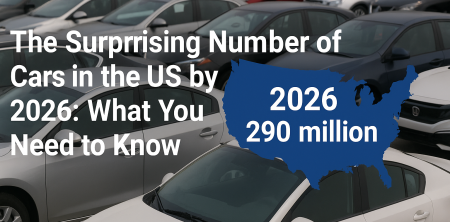
The automotive landscape in the United States is ever-evolving, with changes in technology, consumer preferences, and regulations shaping the future of vehicle ownership. A key aspect of this evolution is the projected number of cars in the US in 2026, which is estimated to reach approximately 298.7 million registered vehicles. This staggering figure encompasses all types of vehicles, including classic cars, those manufactured before 1982, and a variety of light, medium, and heavy-duty vehicles. But what does this mean for the average consumer, the automotive industry, and the environment? Let's explore the implications in detail.
The Growth of Vehicle Registrations
The forecast of 298.7 million registered vehicles in 2026 marks a significant milestone in the trajectory of car ownership in America. To put this into perspective, in 2020, there were roughly 270 million registered vehicles. This represents an increase of over 28 million vehicles in just a few short years. Several factors contribute to this growth, including population increases, economic recovery post-pandemic, and the ongoing demand for personal transportation.
As of 2023, many Americans are returning to pre-pandemic routines, and this resurgence has strengthened the market for new and used vehicles alike. With the automotive industry rebounding, manufacturers are ramping up production to meet consumer demand, further fueling the number of cars on the road.
Types of Vehicles and Their Impact on the Forecast
The projection for the number of cars in the US in 2026 includes a diverse array of vehicle types. The data encompasses light-duty vehicles, which include passenger cars and SUVs, as well as medium and heavy-duty vehicles used for commercial purposes. Additionally, classic cars, which hold sentimental and economic value, are also included in this forecast.
Light-duty vehicles remain the most prevalent category, accounting for the majority of registrations. As consumers gravitate toward SUVs and crossovers for their versatility and space, the number of registered light-duty vehicles continues to climb. Meanwhile, the medium and heavy-duty vehicle segments are witnessing growth due to a booming e-commerce industry, which demands more delivery and freight transport options.
The Shift Toward Electric Vehicles
As we look toward 2026, it's essential to consider the shifting dynamics of vehicle types, particularly with the increasing popularity of electric vehicles (EVs). While the total number of vehicles is expected to rise, the market is also seeing a significant transition toward electric and hybrid models. In fact, according to industry analysts, EV sales are projected to increase dramatically, bolstered by enhanced government incentives and a consumer shift towards sustainability.
Despite this trend, traditional gasoline-powered vehicles will likely continue to dominate in sheer numbers for the foreseeable future. Yet, as more consumers opt for EVs, the share of electric vehicles within the total vehicle fleet will rise, signaling a shift in the automotive landscape.
Fleet Management and Consumer Implications
The projected number of cars in the US in 2026 has significant implications for fleet management, car dealerships, and individual consumers. For fleet operators, the growing number of vehicles presents opportunities and challenges alike. With more vehicles on the road, efficient fleet management practices will be crucial to ensure cost-effectiveness and sustainability.
For consumers, the implications are twofold. On one hand, an increase in the vehicle fleet may lead to more options in the used car market, providing affordable choices for those on a budget. On the other hand, as competition heats up among automakers, new features and technology will become more prevalent, enhancing the overall driving experience.
Insurance and Regulatory Considerations
With an anticipated increase in the number of cars in the US in 2026, insurance companies and policymakers must adapt to the changing landscape. Insurers will need to adjust their models to account for the growing diversity of vehicles on the road, particularly as EVs and advanced driver-assistance systems become more common.
Similarly, regulatory bodies will have to evaluate and update safety standards and environmental regulations. The rise in vehicle registrations could lead to increased traffic congestion and emissions, prompting discussions about infrastructure improvements and sustainability initiatives. (See: CDC on motor vehicle safety.)
Understanding the Market Dynamics
The increase in vehicle registrations also reflects broader economic trends. As the economy recovers and consumer confidence rises, spending on automobiles tends to follow suit. This recovery can be seen in the performance of auto sales, which rebounded strongly after the initial COVID-19 shock, further indicating a robust market landscape.
Moreover, economic factors such as interest rates, fuel prices, and the availability of credit will continue to influence vehicle purchasing decisions. With interest rates fluctuating, buyers may reconsider their financing options, potentially altering the demand for new versus used vehicles.
Looking Ahead to 2030
The forecast doesn't stop at 2026. By 2030, the total number of registered vehicles in the US is projected to rise even further, reaching around 313.4 million. This indicates that the vehicle fleet will remain substantial despite the market's shifting trends toward electrification and alternative mobility solutions.
Interestingly, as the number of vehicles continues to grow, so does the number of people relying on various mobility options. Car-sharing services, ride-hailing, and public transportation have gained traction, providing consumers with alternatives to vehicle ownership while still catering to a diverse range of transportation needs.
The Environmental Impact of Growing Vehicle Numbers
While more cars on the road may indicate economic growth and increased mobility, there are pressing environmental considerations to address. As the number of cars in the US in 2026 trends upward, so too does the impact on pollution levels and carbon emissions. The automotive sector remains a significant contributor to greenhouse gas emissions, prompting calls for more sustainable practices.
In response, many automakers are investing heavily in electric and hybrid technologies to mitigate their environmental footprint. Government incentives aimed at promoting EV adoption are also playing a crucial role in steering consumers toward cleaner transportation options. The transition to electric vehicles is not just a trend; it’s a vital step toward achieving sustainability in the automotive sector.
The Role of Technology in the Future of Vehicles
Technological advancements are reshaping the automotive industry and influencing the number of cars in the US in 2026. With the rise of smart features, connectivity, and autonomous driving technologies, vehicles are becoming more than just modes of transportation. They are transforming into mobile tech hubs that enhance the driving experience.
Features like advanced driver-assistance systems (ADAS), infotainment systems, and connected vehicle technologies are becoming standard in many new models. As these technologies become more prevalent, they will shape consumer preferences and impact purchasing decisions, ultimately affecting the overall vehicle count as innovative features draw more drivers to newer models.
Consumer Behavior and Preferences
The changing number of cars in the US in 2026 is also influenced by shifting consumer behaviors. Buyers increasingly seek vehicles that offer tech-savvy features, safety systems, and fuel efficiency. According to a recent survey, nearly 70% of car buyers consider technology integration a top priority when purchasing a new vehicle. This trend underscores the importance of connectivity and convenience in today’s automotive market.
Moreover, younger generations are leaning towards forms of transportation that are not just about owning a vehicle but are also about sharing and sustainability. There’s a growing preference for alternatives such as ride-sharing and autonomous vehicle technology, which could further impact the traditional metrics of vehicle ownership. The rise of subscription services for cars is another phenomenon to monitor, as they appeal to those who prefer flexibility over long-term commitments.
Economic Influences on Vehicle Ownership
Economics play a crucial role in the projected number of cars in the US in 2026. Factors such as income levels, employment rates, and urbanization trends affect how many people can afford to own a car. As the job market strengthens, more Americans may feel financially secure enough to invest in personal vehicles.
Additionally, the cost of car ownership itself, including insurance, maintenance, and fuel, influences consumer purchasing decisions. As fuel prices fluctuate, consumers might gravitate towards more fuel-efficient vehicles or consider hybrids and EVs. The introduction of more affordable EV models may also shift preferences and expand the market for electric vehicles.
Government Policies and Incentives
Government policies and incentives can significantly affect the number of cars in the US in 2026. Initiatives aimed at reducing emissions, improving air quality, and promoting renewable energy can encourage consumers to switch to electric or hybrid vehicles. Tax credits and rebates for EV purchases are examples of how policy can directly influence consumer behavior and increase the number of eco-friendly options on the road. (See: National Highway Traffic Safety Administration.)
Furthermore, infrastructure investments for charging stations and maintenance of roadways are vital to support the growing fleet. As more EVs are introduced, the demand for accessible and convenient charging solutions will become increasingly important for consumers, which in turn will impact their purchasing decisions.
Urban vs. Rural Ownership Trends
The divide between urban and rural vehicle ownership trends is another essential factor in the growing number of cars in the US in 2026. Urban areas often see a higher concentration of public transportation options, leading to lower rates of vehicle ownership. However, with the rise of remote work and population shifts towards suburban and rural areas, the demand for personal vehicles is expected to increase in these regions.
In contrast, rural residents typically rely more on personal transportation due to limited public transit options. This demographic shift could lead to an increase in the number of cars registered in suburban and rural areas, contributing to the overall growth in vehicle registrations nationwide.
Frequently Asked Questions (FAQ)
What factors influence the number of cars in the US?
Several factors influence vehicle ownership in the US, including economic conditions, consumer preferences, available financing options, and government incentives aimed at promoting sustainability.
How many cars are projected to be on the road in 2026?
The forecast estimates that there will be approximately 298.7 million registered vehicles in the US by 2026, reflecting a significant increase from previous years.
What is the impact of electric vehicles on the total number of cars?
While the total number of vehicles is projected to rise, the share of electric and hybrid vehicles is also expected to increase, as consumers shift towards more sustainable options in response to government incentives and growing environmental awareness.
How does urbanization affect car ownership rates?
Urbanization tends to reduce car ownership rates due to the availability of public transportation. However, shifts towards remote work and population movements to suburban areas may increase the demand for personal vehicles in those regions.
Will the number of cars in the US continue to grow after 2026?
Yes, the number of registered vehicles in the US is projected to continue growing, potentially reaching around 313.4 million by 2030, as economic conditions and consumer preferences evolve.
The Impact of Autonomous Vehicles on the Market
As we look towards 2026, the introduction and integration of autonomous vehicles (AVs) are poised to have a transformative effect on the automotive landscape. AVs not only promise to enhance safety and reduce accidents caused by human error but also have the potential to change how we think about car ownership and usage. Companies like Waymo, Tesla, and Uber are investing heavily in autonomous technology, which could lead to more shared mobility solutions.
With the rise of ride-sharing services utilizing AV technology, ownership may decrease as more people opt for on-demand transportation rather than personal vehicles. Some studies predict that by 2030, shared autonomous vehicles could reduce the total number of cars on the road by as much as 25 million, particularly in urban areas where vehicle congestion is a pressing issue. (See: BBC report on automotive industry trends.)
Emerging Transportation Trends
Beyond electric and autonomous vehicles, we’re also witnessing the emergence of new transportation trends that could shape the future of mobility. For instance, micro-mobility options such as e-scooters and e-bikes are gaining traction in urban areas. These options offer a convenient and sustainable way for people to navigate short distances, potentially reducing the reliance on traditional vehicles.
In addition, mobility-as-a-service (MaaS) platforms are gaining popularity. They allow users to plan and pay for multiple types of transportation within a single app, making it easier to transition between public transport, ride-sharing, and rental services. This integration might lead to a reduction in the number of cars owned per household as people become accustomed to flexible and affordable transportation solutions.
The Role of Sustainability in Vehicle Ownership
Sustainability is increasingly becoming a focal point in consumer decision-making when it comes to vehicle ownership. As awareness around climate change and environmental responsibility grows, consumers are more likely to consider the ecological impact of their vehicle choices. Automakers are responding by developing cleaner technologies, implementing more sustainable manufacturing practices, and creating vehicles that minimize environmental footprints.
A recent survey found that nearly 80% of consumers are willing to pay more for a vehicle with environmentally friendly features. This indicates a shift in market dynamics, where sustainability is no longer a niche concern but a mainstream consideration shaping consumer preferences.
Future Challenges and Opportunities
While the projections for the number of cars in the US in 2026 seem optimistic, there are challenges that the automotive industry must navigate. Supply chain disruptions, particularly in the wake of the COVID-19 pandemic, have affected production rates and availability of materials for manufacturing vehicles. Moreover, as the transition to EVs accelerates, the industry faces the challenge of establishing adequate charging infrastructure to support the growing fleet of electric vehicles.
On the flip side, these challenges can serve as opportunities for innovation. The push for greener technologies could lead to breakthroughs in battery technology, sustainable materials, and energy-efficient manufacturing processes. Collaborations between automakers, tech companies, and governments can pave the way for a more resilient and adaptable automotive ecosystem.
Final Thoughts on the Future of Car Ownership
The forecast of 298.7 million registered vehicles in the US by 2026 offers a glimpse into the future of car ownership in America. As the market evolves, it’s clear that numerous factors—from economic trends to technological advancements and environmental concerns—will play a role in shaping the automotive landscape. The number of cars in the US by 2026 is more than just a statistic; it's indicative of broader cultural shifts, consumer behaviors, and industry adaptations.
As we move forward, understanding these dynamics will be crucial for consumers, policymakers, and industry stakeholders alike. The future of mobility is here, and it’s intertwined with the growing vehicle fleet. With careful consideration of sustainability and innovation, we can ensure that the automotive landscape remains vibrant and responsive to the needs of society.
```
Trending Now
- our breakdown of unlocking potential: how scaffolding executive function can transform learning
- this guide on unlocking communication: effective strategies for teaching pragmatics to students with autism
- read the full story
- this guide on unlocking the secrets of pragmatics in language development: a parent’s essential guide
- Unlocking Student Potential: A Comprehensive Teacher’s Guide to Scaffolding in Competency-Based Education
Frequently Asked Questions
How many cars are projected to be in the US by 2026?
By 2026, the number of registered vehicles in the US is estimated to reach approximately 298.7 million. This figure includes various types of vehicles such as light-duty cars, SUVs, and commercial vehicles.
What factors are contributing to the increase in registered vehicles in the US?
The increase in registered vehicles is driven by several factors, including population growth, economic recovery following the pandemic, and a rising demand for personal transportation as Americans return to pre-pandemic routines.
What types of vehicles are included in the 2026 projection?
The projection for 2026 includes a wide range of vehicles: light-duty vehicles like passenger cars and SUVs, medium and heavy-duty commercial vehicles, as well as classic cars manufactured before 1982.
How has the automotive industry responded to increased vehicle demand?
In response to the growing demand for vehicles, the automotive industry is ramping up production. Manufacturers are increasing their output to meet the needs of consumers seeking both new and used vehicles as market conditions improve.
What implications does the projected car growth have for the environment?
The projected growth in the number of vehicles could have significant environmental implications, including increased emissions and traffic congestion. Addressing these issues may require advancements in technology and a shift towards more sustainable transportation options.
Have you experienced this yourself? We'd love to hear your story in the comments.

