```html
Why Too Many Choices Are Hurting Your Parenting Decisions
The Dilemma of Choices in Parenting
In today's world, parents are bombarded with choices. From selecting the right toys to deciding on extracurricular activities, the sheer volume of options can be overwhelming. This phenomenon, often referred to as decision fatigue in parenting, has become a pressing issue, impacting not only the well-being of parents but also that of their children.
The Research Behind Decision Fatigue
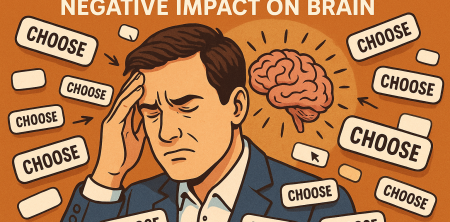
Recent studies have highlighted the negative effects of having too many choices on our cognitive function. The brain can only handle a limited amount of information at once, and when we overload it with options, it creates mental clutter. This clutter hampers our ability to make effective decisions, leading to stress and anxiety. Researchers have discovered that when faced with an abundance of choices, individuals often experience a decline in satisfaction and a paradox of choice, where more options lead to less happiness.
Implications for Parents
For parents, this struggle is particularly poignant. The pressure to make the "best" choices for our children can often lead to guilt and second-guessing. Should you let your child choose their own toys, or should you curate a selection that you believe is best? Should you prioritize educational activities, or allow for free play? These questions can weigh heavily, leading to what experts term decision fatigue.
The Parenting Myth: More is Better
Many parents are caught in the trap of believing that more options will lead to better outcomes for their children. This belief is not only misguided but can be detrimental. As highlighted by experts like Epstein, the principle of 'satisficing'—focusing on the intended use rather than the plethora of options—can be a lifesaver. By narrowing your focus and limiting choices, you can reduce the cognitive load associated with decision-making, ultimately leading to better mental health for both you and your child. This builds on Study on decision fatigue.
Strategies for Reducing Decision Fatigue
So, how can parents combat this overwhelming sense of responsibility? Here are some effective strategies:
- Limit Choices: When it comes to toys or activities, consider setting parameters. Instead of offering every available option, curate a shortlist of high-quality choices that meet your child's developmental needs.
- Delegate Decisions: Reach out to trusted friends or professionals for advice. Sharing the decision-making process can lighten the burden and provide fresh perspectives.
- Practice Satisficing: Don't strive for perfection. Accept that some choices will not be perfect and that it's okay to make decisions based on what feels 'good enough' for your family.
- Establish Routines: Having set routines can help eliminate some decisions. When children know what's expected, both parents and kids can reduce stress and foster a sense of security.
Building a Support Network
One of the most effective ways to mitigate decision fatigue is by building a robust support network. Whether it's family, friends, or parenting groups, surrounding yourself with like-minded individuals can help relieve some of the pressures of decision-making. Furthermore, these social connections can offer invaluable insights and recommendations, allowing parents to share experiences and strategies that have worked for them.
Embracing Imperfection
It’s easy to feel as though every decision is critical, especially in the eyes of social media and the constant barrage of parenting advice online. However, it's crucial to recognize that no parenting choice is set in stone. Embracing imperfection can lead to healthier decision-making patterns. Accepting that mistakes will happen and that parenting is a learning experience can relieve some pressure.
Recognizing the Signs of Decision Fatigue
Being aware of the signs of decision fatigue is the first step in addressing it. Symptoms can include feeling overwhelmed, indecisiveness, irritability, and a sense of burnout. If you find yourself second-guessing decisions or feeling paralyzed by choices, it may be time to take a step back and reassess your approach. Acknowledging that you’re experiencing decision fatigue can empower you to make changes that will lead to better well-being. (See: study on choices and cognitive load.)
Fostering Mental Well-Being in Children
While parents are often focused on their well-being, it's equally important to consider the effects of decision fatigue on children. Endless choices can lead to feelings of anxiety and pressure in kids, who may feel burdened by the need to make 'right' decisions. By modeling healthy decision-making behaviors and simplifying choices for them, parents can help children develop resilience and confidence.
The Impact of Social Media on Decision Fatigue
In a world where social media showcases the highlight reels of parenting, it’s easy to feel the pressure to make the “perfect” choices. Parents often scroll through images of meticulously organized playrooms, gourmet lunches, and beautifully crafted birthday parties, leading to a sense of inadequacy. This constant comparison can exacerbate decision fatigue as parents strive to meet unrealistic standards. Instead of focusing on what truly matters—developing a loving and supportive environment—parents can become bogged down in the minutiae of choice.
Statistics on Parenting Decisions and Mental Health
Research indicates that approximately 50% of parents report feeling overwhelmed by parenting choices. A study published in the Journal of Child Psychology and Psychiatry states that parents who experience high levels of decision fatigue are more likely to suffer from anxiety and depression. Additionally, a survey conducted by the American Psychological Association found that 61% of parents feel stressed by the need to make the right choices for their children, with many admitting they struggle to prioritize their own mental health.
Expert Perspectives on Decision Fatigue
Experts in the field of psychology and child development emphasize the importance of simplifying choices in parenting. Dr. Susan Newman, a social psychologist and author of "The Book of No," suggests that parents should streamline their options to reduce stress. “It’s about quality over quantity,” she states. “When you limit choices, you not only make it easier for yourself but also set a clearer path for your children.” Her research supports the idea that children benefit from having fewer choices, as it allows them to develop decision-making skills without feeling overwhelmed.
Real-Life Examples of Overcoming Decision Fatigue
Many parents have successfully implemented strategies to combat decision fatigue. For instance, Sarah, a mother of two, turned to a weekly meal plan to streamline dinner choices. By planning out meals every Sunday, she eliminated the daily decision of what to cook, significantly reducing her stress levels. Another parent, John, created a “toy rotation” system where only a few toys are available at a time. This not only simplifies playtime but also keeps the children engaged, as they are excited to see different toys come back into play.
Implementing a Decision-Making Framework
One effective way to manage decision fatigue is to create a simple framework for making choices. This can be as structured or loose as you prefer. For instance, parents can ask themselves a series of questions before making decisions:
- What are my priorities? Identify what is most important for your family. Is it educational value, emotional growth, or simply fun?
- What are the potential outcomes? Consider the long-term effects of your choices on your child’s well-being.
- Am I comfortable with this choice? Trust your instincts. If a choice doesn’t feel right, it probably isn’t.
By applying a consistent framework, parents can simplify their decision-making process and minimize feelings of overwhelm.
Creating a Family Decision-Making Culture
Encouraging children to participate in family decisions can also alleviate some of the pressure on parents. This not only empowers kids but also helps them learn valuable decision-making skills. For example, let your child help choose weekend activities or decide on dinner options from a curated list. This involvement creates a sense of ownership and can mitigate the feeling that parents are solely responsible for every choice.
Different Types of Decisions Parents Face
Understanding the types of decisions parents must make can clarify why decision fatigue occurs. Here’s a breakdown: (See: exploring the paradox of choice.)
- Everyday Choices: These are the routine decisions made daily, like meals, clothing, and bedtime. Over time, even small choices can accumulate and lead to fatigue.
- Educational Decisions: Choosing schools, extracurricular activities, and tutoring options can be particularly stressful. Parents may feel the weight of ensuring their child receives the best education possible.
- Social Decisions: Arranging playdates and social activities can also add to the mental load, especially when considering friendships, compatibility, and scheduling.
- Health and Wellness Choices: Decisions about nutrition, sleep schedules, and screen time often come with conflicting information and advice, making them a significant source of stress.
The Role of Technology in Decision Fatigue
Technology can be a double-edged sword. While it provides access to a wealth of information, it also contributes to decision fatigue. Parents often find themselves inundated with advice from blogs, forums, and social media. It’s easy to become paralyzed by conflicting information. Consider limiting your exposure to parenting content online, or following a few trusted sources that align with your values and beliefs. This curated approach can help reduce overwhelm.
Mindfulness and Decision-Making
Incorporating mindfulness practices can be a game-changer in managing decision fatigue. Mindfulness encourages parents to slow down and be present in the moment, allowing for clearer thinking. Techniques such as meditation, deep breathing exercises, or even mindful walking can help parents clear their minds and approach decisions with a renewed perspective. By cultivating awareness, you can make decisions that feel right for your family without the added pressure of external influences.
The Importance of Self-Care
Prioritizing self-care is essential in combating decision fatigue. When parents take time for themselves—whether it’s reading a book, taking a walk, or simply enjoying a quiet cup of coffee—their mental resilience improves. This, in turn, strengthens their ability to make decisions. Encourage routines that include self-care practices, so they become a regular part of family life. Remember, a well-rested parent is often a more effective decision-maker.
Frequently Asked Questions about Decision Fatigue in Parenting
What is decision fatigue in parenting?
Decision fatigue in parenting refers to the mental exhaustion that comes from having to make numerous decisions throughout the day. This fatigue can lead to poorer decision-making and increased stress for parents.
How can I recognize if I’m experiencing decision fatigue?
Signs of decision fatigue include feelings of overwhelm, irritability, lack of motivation, and difficulty making even simple choices. You may find yourself second-guessing decisions or feeling exhausted by the thought of making more choices.
What strategies can help reduce decision fatigue?
Strategies to reduce decision fatigue include limiting choices, establishing routines, delegating decisions, and involving children in the decision-making process. Creating a support network can also alleviate some of the burdens.
Can decision fatigue affect my children?
Yes, children can also experience decision fatigue, especially when faced with too many choices. This can lead to anxiety and indecisiveness. By simplifying choices for children, parents can help them develop confidence in their decision-making abilities. There's a fuller look at Impact of choice overload.
Is it possible to completely eliminate decision fatigue?
While it may not be possible to completely eliminate decision fatigue, implementing strategies can significantly reduce its impact. Focus on developing a balanced approach that prioritizes mental well-being for both parents and children.
How can I involve my children in decision-making without overwhelming them?
Start small—allow them to choose between a few options rather than presenting a long list. Use guided questions to help them express their preferences while keeping it manageable. Encourage discussion about their choices to foster understanding and confidence.
What are some signs my child is experiencing decision fatigue?
Watch for signs such as increased frustration, reluctance to engage in activities, or difficulty making decisions. If your child frequently seems anxious about choices or avoids making them altogether, they may be feeling overwhelmed.
How can I create a positive decision-making environment at home?
Encourage open discussions about choices and their outcomes. Celebrate the decision-making process, regardless of the outcome, and reinforce that it's normal to make mistakes. Create a low-pressure atmosphere where choices are seen as opportunities for learning rather than stressors.
Conclusion: Simplifying Parenting Decisions
In the quest for the best for our children, the myriad of choices can often lead to confusion and frustration. Recognizing the impact of decision fatigue in parenting is crucial for fostering not just our mental well-being but also that of our children. By implementing strategies to simplify our decision-making processes, we can reduce stress, improve satisfaction, and ultimately create a nurturing environment for our families. Remember, it’s not about having more choices; it’s about making the right choices for your family, and sometimes, less truly is more.
```
Trending Now
Frequently Asked Questions
How does having too many choices affect decision-making?
Having too many choices can lead to decision fatigue, where the brain becomes overwhelmed by the volume of options. This mental clutter can hinder effective decision-making, resulting in increased stress, anxiety, and diminished satisfaction with the choices made.
What is decision fatigue in parenting?
Decision fatigue in parenting refers to the overwhelming stress and mental exhaustion parents experience due to the multitude of choices they face regarding their children's upbringing. This can lead to second-guessing and feelings of guilt over parenting decisions.
Can too many choices lead to unhappiness?
Yes, an abundance of choices can lead to a paradox of choice, where individuals feel less satisfied and more unhappy. This phenomenon occurs because more options can create confusion and make it harder to pick the best one.
What is the principle of satisficing in parenting?
The principle of satisficing involves focusing on satisfactory choices rather than seeking the perfect option. For parents, this means narrowing down choices to reduce mental load and stress, ultimately leading to better decision-making for their children.
How can parents reduce decision fatigue?
Parents can reduce decision fatigue by limiting their choices and focusing on a curated selection of options for their children. By simplifying decisions and prioritizing what's truly important, parents can alleviate the cognitive burden and improve their mental well-being.
What did we miss? Let us know in the comments and join the conversation.

