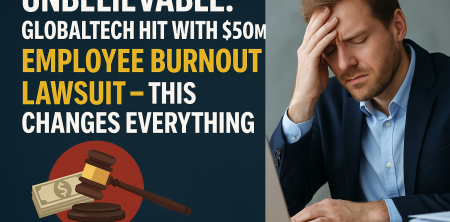
The corporate world is buzzing, and not in a good way. Just yesterday, news broke that GlobalTech, one of the biggest names in the technology sector, is facing a staggering $50 million lawsuit. The plaintiffs? Former employees who claim the company’s relentless work culture and utter disregard for their mental well-being led to severe burnout, anxiety, depression, and even long-term disability. This isn't just another workplace dispute; it's a potential game-changer for how companies worldwide will be forced to address employee mental health, setting a powerful precedent for future employee burnout lawsuit cases.
For years, we've heard whispers and seen headlines about the demanding nature of tech giants – the long hours, the constant pressure to innovate, the blurred lines between work and personal life. But this lawsuit, with its hefty price tag and compelling evidence, rips those whispers wide open. It’s forcing a much-needed, and frankly, long-overdue, conversation about corporate accountability when it comes to the mental health of its workforce. Are companies truly responsible for the psychological toll their environments take on employees? GlobalTech's legal battle might just give us a definitive answer.
1. The $50 Million Claim: More Than Just Money
Let's be clear: a $50 million lawsuit isn't chump change. This isn't a small claims court argument over a forgotten paycheck. This is a massive legal challenge, filed by former GlobalTech employees who are alleging nothing less than systemic mental health neglect. They're not just saying they felt stressed; they're claiming the company's culture directly caused debilitating anxiety, severe depression, and even long-term disabilities that have fundamentally altered their lives. The sheer scale of the financial demand underscores the severity of their claims and the depth of their suffering.
What makes this particular employee burnout lawsuit so compelling is the nature of the evidence presented. The plaintiffs aren't just relying on anecdotal stories. They've reportedly brought forth compelling internal communications – emails, memos, possibly even project management notes – that could paint a picture of an environment where extreme hours and performance metrics were not only encouraged but enforced without adequate support. Coupled with detailed medical records linking their conditions directly to their employment at GlobalTech, this isn't a case built on emotion alone; it’s a case built on documented facts that could be very difficult for GlobalTech to dispute.
2. Systemic Burnout: A Culture Under Scrutiny
The core of the GlobalTech lawsuit isn't about isolated incidents; it's about a culture. The plaintiffs allege a 'systemic burnout' problem, suggesting that the demanding work environment wasn't an anomaly, but rather an ingrained part of how GlobalTech operated. This is a crucial distinction. It implies that the company's structure, its expectations, its reward systems – everything from how projects were assigned to how promotions were granted – contributed to an unsustainable pace and pressure cooker atmosphere.
Think about it: in many high-tech firms, there's an unspoken badge of honor associated with working late, being the first one in and the last one out, or responding to emails at all hours. While ambition and dedication are admirable, when they morph into an expectation of constant availability and an erosion of personal boundaries, they become toxic. If the plaintiffs can prove that GlobalTech actively fostered or passively allowed such a culture to thrive without implementing genuine safeguards for mental health, then this employee burnout lawsuit could expose a deep flaw in how many modern corporations operate.
3. The Evidence: Internal Communications and Medical Records
The strength of any legal case lies in its evidence, and here, the GlobalTech plaintiffs seem to have a strong hand. The mention of 'compelling internal communications' is particularly potent. Imagine emails from managers pushing aggressive deadlines, or team chat logs showing employees working through the night, or even HR records demonstrating a pattern of employees reporting stress without adequate follow-up. These aren't just personal accounts; they are corporate documents that can speak volumes about the company's priorities and its awareness of employee well-being. This builds on shocking payout details.
Furthermore, the integration of 'medical records' directly links the alleged corporate culture to tangible health consequences. This is where the legal argument moves beyond subjective feelings to objective diagnoses. If doctors' notes, therapy records, or disability claims explicitly state that an employee's anxiety or depression was exacerbated or directly caused by their work environment at GlobalTech, it makes the company's position much harder to defend. This combination of internal corporate insight and external medical validation presents a formidable challenge for GlobalTech in this employee burnout lawsuit.
4. The Social Media Firestorm: #CorporateAccountability
In today's interconnected world, a high-profile legal battle like GlobalTech's doesn't stay confined to courtrooms and legal journals. It explodes onto social media, and this case is no exception. It's already 'gaining traction,' fueling widespread discussion among employees globally. This isn't just about former GlobalTech staff; it's about every worker who has ever felt the crushing weight of an unreasonable workload, the anxiety of constant deadlines, or the isolation of a demanding corporate environment.
The hashtags are already forming, the conversations are already raging. People are sharing their own experiences, commiserating, and, most importantly, demanding 'corporate accountability.' This public outcry adds another layer of pressure to GlobalTech. Beyond the legal ramifications, there's the very real risk of reputational damage, talent drain, and a loss of public trust. In an era where companies are increasingly judged not just on their profits but on their ethics and treatment of employees, this social media firestorm could be as damaging as any court ruling. (See: Workplace stress and mental health.)
5. Legal Precedent: A Shift in Mental Health Protection?
This GlobalTech employee burnout lawsuit isn't just about one company or a few former employees; it has the potential to set a significant legal precedent. The plaintiffs are essentially arguing that companies have a legal obligation to protect their employees' mental health, much in the same way they have a legal obligation to provide a physically safe workplace. Historically, legal protections for mental well-being in the workplace have been surprisingly sparse and often difficult to enforce.
If the GlobalTech plaintiffs are successful, it could fundamentally alter employment law globally. It might force companies to actively monitor stress levels, implement mandatory mental health breaks, provide robust counseling services, and even reconsider their entire work culture to prevent burnout. This shift would move mental health from a 'nice-to-have' HR perk to a 'must-have' legal requirement, changing the landscape for employers everywhere and potentially opening the door for many more employee burnout lawsuit filings.
6. The High-CPC Niches: Who's Watching Closely?
When a story like the GlobalTech employee burnout lawsuit breaks, it sends ripples far beyond the immediate parties involved. Certain industries, with high-cost-per-click (CPC) advertising, are watching this case with bated breath because it directly impacts their business models. We're talking about legal services, B2B SaaS, and insurance sectors, all of whom stand to gain or lose significantly depending on the outcome.
For legal services, particularly employment law and corporate litigation firms, this case is a goldmine. It generates transactional searches like 'workplace mental health legal rights' and 'employer mental health policy review.' Lawyers are already strategizing on how this precedent could apply to their own clients. B2B SaaS companies, offering employee wellness platforms and HR compliance software, are seeing a surge in interest. Their products, once considered optional, could become essential tools for companies trying to avoid similar lawsuits. And insurers, especially those dealing with employer liability and health insurance for mental health, are rapidly reassessing their risk models and policy offerings. The implications are enormous across these interconnected industries. We covered impact on women's mental health in more detail.
7. Workplace Mental Health Legal Rights: The Uncharted Territory
The phrase 'surprising lack of legal protection for mental well-being in the workplace' in the context of the GlobalTech employee burnout lawsuit really hits home. While there are clear laws protecting employees from physical hazards, discrimination, or unfair dismissal, the legal framework around psychological safety and mental health is far less defined. This creates a grey area where employers can, often unintentionally, foster environments that are detrimental to their employees' minds without overtly breaking any laws.
This lawsuit aims to chart that territory. It's asking the courts to define the scope of an employer's duty of care towards their employees' mental health. What constitutes negligence? At what point does a demanding work culture cross the line into a legally actionable harmful environment? The answers to these questions will have profound implications for future legislation, corporate policies, and individual employee rights. It’s an urgent call for clarity in an area that has been neglected for too long.
8. The Cost of Neglect: Beyond the Lawsuit
While the $50 million figure is grabbing headlines, the true cost of mental health neglect in the workplace extends far beyond any single employee burnout lawsuit. For GlobalTech, even if they win the case, the damage to their brand, their ability to attract top talent, and their internal morale could be substantial and long-lasting. Employees are increasingly prioritizing mental well-being, and companies with a reputation for burning out their staff will struggle to compete in the talent market.
Then there are the broader societal costs. Burnout, anxiety, and depression lead to decreased productivity, increased healthcare expenditures, and a diminished quality of life for millions. If this lawsuit pushes companies to invest more proactively in mental health support – through better wellness programs, more reasonable workloads, and a culture of empathy – the long-term benefits could be immense. It's a stark reminder that investing in employee well-being isn't just good for people; it's good for business, reducing the likelihood of facing your own employee burnout lawsuit.
9. What's Next for Corporate Mental Health?
The GlobalTech employee burnout lawsuit is more than a legal battle; it's a wake-up call for corporations worldwide. Regardless of the final verdict, this case has already ignited a global conversation that won't be easily extinguished. Companies are now being forced to scrutinize their own cultures, assess their mental health support systems, and consider their legal vulnerabilities.
Expect to see a surge in demand for corporate wellness platforms, a renewed focus on work-life balance initiatives, and potentially even new legislation aimed at protecting employee mental health. This isn't just about avoiding an employee burnout lawsuit; it's about recognizing that a healthy workforce is a productive workforce. The days of treating mental health as an afterthought are rapidly coming to an end, and GlobalTech's legal troubles might just be the catalyst we needed to truly prioritize the well-being of every employee. Related reading: increased mental health resources.
10. The Psychological Impact of Burnout: A Deeper Dive
Let's take a closer look at what burnout actually does to people. It’s not just feeling tired. The World Health Organization (WHO) officially recognized burnout as an occupational phenomenon in its International Classification of Diseases (ICD-11). They define it by three dimensions: feelings of energy depletion or exhaustion; increased mental distance from one’s job, or feelings of negativism or cynicism related to one's job; and reduced professional efficacy. This isn't a temporary dip in morale; it’s a profound shift in an individual's relationship with their work and, often, their life. (See: Global mental health resources.)
Beyond these core symptoms, the psychological toll can be devastating. We're talking about chronic stress leading to clinical anxiety disorders, major depressive episodes, and even panic attacks. The constant pressure can erode self-esteem, leading to feelings of worthlessness and inadequacy. Sleep patterns are often severely disrupted, creating a vicious cycle where lack of rest exacerbates stress and mood issues. Employees might experience cognitive impairments, like difficulty concentrating, memory problems, and impaired decision-making – all of which paradoxically make it harder to perform at work, spiraling them further into the burnout cycle. The GlobalTech employee burnout lawsuit highlights these very real, very serious consequences, demonstrating that the impact goes far beyond just feeling a bit run down.
11. Preventative Measures: Beyond Reactive Solutions
Many companies today offer reactive solutions to mental health issues – think Employee Assistance Programs (EAPs) or a few paid therapy sessions. While these are helpful, the GlobalTech lawsuit underscores the need for preventative, systemic changes. What does that look like in practice? It starts with leadership setting the tone. Leaders need to model healthy work-life boundaries, not just preach them. If the CEO is sending emails at 2 AM, it subtly tells everyone else that's the expectation.
Practical preventative measures could include mandatory "no-meeting" days or blocks, protected lunch breaks, and policies that explicitly discourage after-hours communication. Companies could implement workload assessment tools to ensure no single employee or team is consistently overloaded. Regular, anonymous mental health check-ins, not just performance reviews, could become standard. Training managers to spot the early signs of burnout and empowering them to intervene appropriately is also crucial. The goal isn't just to help employees after they've reached a breaking point, but to create an environment where they don't get there in the first place. This proactive approach is exactly what companies will need to adopt to avoid future employee burnout lawsuit claims.
12. The Role of HR: From Administrator to Advocate
Human Resources departments are often caught in the middle: balancing employee needs with business objectives. In the context of an employee burnout lawsuit, HR's role becomes critical. Were there complaints that went unaddressed? Were policies in place that inadvertently contributed to the problem? The GlobalTech case will undoubtedly scrutinize HR's actions, or inactions, very closely.
Moving forward, HR needs to transition from merely administering policies to actively advocating for employee well-being. This means conducting regular culture audits, analyzing turnover rates for burnout-related resignations, and championing initiatives that genuinely support mental health. It also means having robust, confidential channels for employees to report excessive workloads or unhealthy pressures without fear of retaliation. An HR department that is perceived as a true ally for employee mental health can be a company's strongest defense against burnout and, ultimately, against an employee burnout lawsuit.
13. Global Perspectives on Workplace Mental Health Law
While the GlobalTech employee burnout lawsuit is playing out in a specific jurisdiction, the conversation around employer responsibility for mental health is a global one. Different countries have varying legal frameworks, but there's a clear trend towards greater accountability. For example, in France, there are specific laws regarding the "right to disconnect," obliging companies to negotiate rules about email use outside of working hours. Australia has workplace psychological safety codes, and some European nations have stronger protections for employee well-being embedded in their labor laws.
The GlobalTech case could significantly influence jurisdictions that are currently lagging. If a major US tech company is held liable for systemic burnout, it sends a strong signal worldwide that mental health is a legitimate legal concern, not just an HR 'soft skill.' This could accelerate legislative changes in countries that haven't yet formalized protections, creating a more uniform global standard for corporate mental health responsibility. It illustrates that an employee burnout lawsuit in one region can have far-reaching international consequences.
14. Expert Opinions: What Psychologists and Legal Scholars Say
To truly understand the weight of a case like GlobalTech's, it's helpful to consider the perspectives of experts. Clinical psychologists specializing in occupational health have long warned about the dangers of unchecked workplace stress. They often point to the concept of "toxic productivity," where the drive for output overrides all considerations for human well-being. From their viewpoint, the symptoms described by the GlobalTech plaintiffs are entirely consistent with prolonged exposure to such an environment.
Legal scholars, particularly those focused on tort law and employment law, are keenly observing the interpretation of "duty of care" in this context. Historically, proving an employer directly caused a mental health condition has been challenging, often complicated by pre-existing conditions or external life stressors. The GlobalTech case, with its reported internal communications and direct medical links, could provide a clearer path for future plaintiffs. It's a test of how far the courts are willing to extend an employer's responsibility beyond physical safety to encompass psychological safety. The consensus among these experts is that this employee burnout lawsuit represents a pivotal moment in workplace mental health jurisprudence.
Frequently Asked Questions (FAQ) about Employee Burnout Lawsuits
Q1: What exactly is an employee burnout lawsuit?
An employee burnout lawsuit is a legal action filed by current or former employees against their employer, alleging that the company's work culture, excessive demands, or negligent practices directly caused severe psychological and/or physical harm, such as chronic stress, anxiety, depression, or even long-term disability, due to burnout. (See: Latest news on workplace lawsuits.)
Q2: Is burnout a recognized medical condition?
While burnout itself isn't classified as a medical condition in the same way as, say, diabetes, the World Health Organization (WHO) recognizes it as an "occupational phenomenon" resulting from chronic workplace stress that hasn't been successfully managed. The severe anxiety, depression, and other physical ailments that often accompany burnout are indeed recognized medical conditions that can be linked back to the workplace environment. top institutions for counseling offers useful background here.
Q3: What kind of evidence is typically needed to win an employee burnout lawsuit?
To succeed, plaintiffs usually need a combination of strong evidence. This often includes internal communications (emails, memos, chat logs) demonstrating excessive workloads or pressure, documented reports to HR about stress, medical records linking mental or physical health conditions directly to the work environment, expert testimony from psychologists or doctors, and potentially witness statements from other employees.
Q4: How do courts determine if a company is responsible for an employee's burnout?
Courts will typically look for a breach of the employer's "duty of care." This means examining whether the company took reasonable steps to provide a safe working environment, not just physically but psychologically. They'll assess if the company's policies, culture, and management practices created an environment that was foreseeably harmful, and if there's a direct causal link between that environment and the employee's burnout and related health issues. Systemic issues, rather than isolated incidents, often strengthen the case.
Q5: What are the potential consequences for companies found liable in an employee burnout lawsuit?
The consequences can be severe. They include substantial financial penalties (damages for lost wages, medical expenses, pain and suffering), reputational damage, difficulty attracting and retaining talent, increased scrutiny from regulatory bodies, and a potential need to overhaul internal policies and work culture. The negative publicity from a high-profile employee burnout lawsuit can sometimes be more damaging than the monetary judgment itself.
Q6: Can an employee sue for burnout if they have a pre-existing mental health condition?
Yes, but it can make the case more complex. Plaintiffs would need to demonstrate that the workplace environment significantly exacerbated their pre-existing condition or caused new symptoms. The legal argument would focus on how the company's actions or inactions directly contributed to a worsening of their mental health, even if they had a prior vulnerability.
Q7: What steps can companies take to prevent employee burnout lawsuits?
Proactive measures are key. Companies should implement clear policies around work-life balance, manage workloads effectively, offer robust mental health support (EAPs, counseling), train managers to identify and address burnout signs, foster a culture that values well-being over excessive hours, and ensure confidential channels for employees to voice concerns without fear of reprisal. Regular audits of workplace culture and employee feedback are also crucial.
Q8: Does the GlobalTech employee burnout lawsuit set a new legal precedent?
If the GlobalTech plaintiffs are successful, particularly in establishing a broad "duty of care" for mental health, it could indeed set a significant legal precedent. It might solidify the legal obligation for employers to actively protect employees' psychological well-being, potentially influencing future employment laws and corporate practices not just in the tech sector, but across all industries, both domestically and internationally.
Trending Now
Frequently Asked Questions
What is the GlobalTech employee burnout lawsuit about?
The GlobalTech employee burnout lawsuit involves former employees alleging that the company's demanding work culture led to severe mental health issues, including anxiety, depression, and long-term disabilities. They are seeking $50 million in damages, claiming systemic neglect of employee mental well-being.
How much money is GlobalTech being sued for?
GlobalTech is facing a lawsuit for $50 million, filed by former employees who claim that the company's work environment caused significant mental health issues. This substantial amount reflects the seriousness of their allegations and the impact on their lives.
What impact could the GlobalTech lawsuit have on other companies?
The GlobalTech lawsuit could set a powerful precedent for corporate accountability regarding employee mental health. If successful, it may compel other companies to reevaluate their work cultures and prioritize mental well-being to avoid similar legal challenges.
What are the allegations made by former GlobalTech employees?
Former GlobalTech employees allege that the company's relentless work culture resulted in severe burnout, anxiety, and depression. They claim that this environment has led to long-term disabilities and a disregard for their mental health, prompting the lawsuit.
Why is employee mental health a major concern in the tech industry?
Employee mental health is a significant concern in the tech industry due to the high-pressure environment, long working hours, and constant demand for innovation. Lawsuits like the one against GlobalTech highlight the potential consequences of neglecting mental well-being in such demanding workplaces.
Have you experienced this yourself? We'd love to hear your story in the comments.

