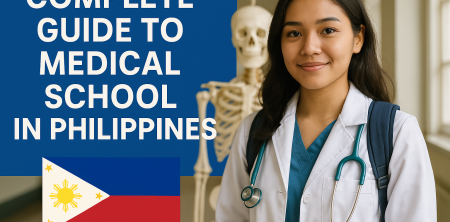
```html
For aspiring doctors, choosing the right medical school is crucial. If you’re considering medical school in the Philippines, you’re not alone. The country has become a popular destination for both local and international students looking to pursue a medical degree. This comprehensive guide will take you through everything you need to know about medical schools in the Philippines, from the admission process to the curriculum, and what you can expect after graduation. This builds on Edrater's comprehensive overview.
1. Overview of Medical Education in the Philippines
The Philippines offers a robust medical education system that has garnered international recognition. Known for its high academic standards, the country has a number of accredited medical schools that attract students from around the world. The medical education structure typically includes a pre-medical program followed by a four-year medical degree, culminating in a clinical internship.
Medical schools in the Philippines adhere to a rigorous curriculum that blends theoretical knowledge with practical skills. Students are trained in various specialties, ensuring they are well-prepared for the demands of the medical profession. The country’s unique blend of Western and Eastern medical practices also provides a diverse perspective on healthcare.
2. Admission Requirements
Gaining admission to a medical school in the Philippines can be competitive. Generally, you’ll need a completed undergraduate degree with specific pre-med courses such as Biology, Chemistry, and Physics. Additionally, many schools require a passing score on the National Medical Admission Test (NMAT), which assesses your aptitude for medical education.
Once you’ve met the initial requirements, you’ll typically need to submit an application, letters of recommendation, and possibly a personal statement. Some schools may also conduct interviews as part of their selection process. It’s wise to research the specific requirements of each school as they can vary significantly.
3. Top Medical Schools in the Philippines
When considering medical school in the Philippines, it’s essential to know which institutions are highly regarded. Some of the top medical schools include:
- University of the Philippines Manila: The oldest medical school in the country, known for its research and public health initiatives.
- Manila Central University: Offers a comprehensive medical program with a focus on community health.
- University of Santo Tomas: One of the largest medical schools, it’s recognized for its solid foundation in medical education.
- San Beda University: Renowned for its innovative teaching methods and strong clinical training.
These institutions not only provide excellent education but also have a solid track record of producing competent healthcare professionals.
4. Curriculum Structure
The curriculum for medical school in the Philippines is divided into two main parts: the pre-clinical and clinical years. The pre-clinical phase usually lasts for two years and covers foundational subjects such as Anatomy, Physiology, and Biochemistry. This stage is critical as it lays the groundwork for clinical practice.
In the clinical years, students engage in rotations across various specialties, including Internal Medicine, Surgery, Pediatrics, Obstetrics, and Psychiatry. This hands-on experience is invaluable, as it helps students apply their theoretical knowledge in real-world scenarios. A significant portion of training occurs in hospitals affiliated with the medical schools.
5. Cost of Medical Education
Affordability is one of the appealing factors for international students considering medical school in the Philippines. Tuition fees in the Philippines are considerably lower than in Western countries. On average, you can expect to pay between $5,000 to $12,000 per year, depending on the institution.
However, beyond tuition, you should budget for additional expenses such as textbooks, supplies, and living costs. Housing can range from $200 to $400 a month, depending on your location and lifestyle. Additionally, many students find part-time work opportunities to help offset these costs.
6. International Students: What You Need to Know
The Philippines welcomes international students, making it a diverse learning environment. Many medical schools have English as the medium of instruction, which simplifies the process for foreign students. However, it’s crucial to ensure that the specific program you choose is accredited and recognized in your home country.
International students should also be aware of visa requirements. Generally, students need a student visa, which requires proof of acceptance into a medical program, financial stability, and a valid passport. It’s advisable to start this process early, as it can take time. (See: Medical education overview by WHO.)
7. Internship and Residency Programs
After completing the medical degree, graduates must undergo an internship, which usually lasts for one year. During this time, students rotate through various departments, gaining practical experience. Upon completion of the internship, graduates are eligible to take the Philippine Physician Licensure Examination, which is necessary to practice medicine in the country.
For those who wish to specialize, pursuing a residency program is the next step. The length and competitiveness of residency programs can vary by specialty. Specialties such as Surgery and Internal Medicine often have more rigorous requirements and a longer training duration.
8. Licensure and Practice
To practice medicine in the Philippines, one must pass the Philippine Physician Licensure Examination. This examination consists of written and practical components, and a passing score is essential for obtaining a license. The exam is conducted twice a year, and it’s crucial for graduates to prepare thoroughly.
Once licensed, physicians can choose to practice in various settings, including hospitals, clinics, or even start their own private practice. The demand for healthcare professionals in the Philippines is high, and many graduates find fulfilling career opportunities both locally and internationally.
9. Challenges and Opportunities in Medical Education
While medical education in the Philippines offers many advantages, students may face challenges such as funding, the intensity of studies, and the pressure of exams. Balancing academic demands with personal life can be difficult, especially for those studying far from home.
However, the opportunities that come with a medical degree in the Philippines are significant. Graduates can look forward to a growing healthcare sector, with an increasing need for medical professionals due to the nation’s evolving healthcare landscape.
10. Future Trends in Medical Education
The landscape of medical education is changing rapidly, with innovations in technology and teaching methods. Medical schools in the Philippines are beginning to incorporate simulation-based training and telemedicine into their curricula. These changes aim to better prepare students for the realities of modern healthcare.
Furthermore, the global health crisis has highlighted the need for adaptable and skilled healthcare professionals. As the Philippines continues to evolve its medical education system, students must stay abreast of these trends to enhance their learning experience and career prospects.
11. Student Life in Medical School
Medical school is not only about academics; student life plays a crucial role in shaping future doctors. When you’re studying at a medical school in the Philippines, you’ll find a vibrant community filled with students from diverse backgrounds. Extracurricular activities, clubs, and organizations are plentiful, and joining these can enrich your experience.
Many schools offer various student organizations, ranging from sports teams to health advocacy groups. Participating in these activities can help relieve the stress that comes with rigorous academic schedules. It can also expand your network and enhance your communication skills, which are essential for a successful medical career.
12. Clinical Exposure and Experience
One of the standout features of medical education in the Philippines is the substantial clinical exposure students receive during their training. Many medical schools partner with multiple hospitals and clinics, allowing students to gain experience in various healthcare settings. This exposure is crucial for developing practical skills and understanding the realities of patient care.
During clinical rotations, students learn how to interact with patients, work as part of a healthcare team, and apply their classroom knowledge in real-life situations. They often have the opportunity to observe surgeries, assist in clinical procedures, and even participate in patient assessments under the supervision of experienced physicians.
13. Scholarship Opportunities
For international students and locals alike, scholarships can significantly ease the financial burden of medical education. Various institutions and organizations offer scholarship programs tailored for aspiring medical students. For instance, the Department of Health in the Philippines occasionally provides scholarships for students willing to serve in underserved areas after graduation.
Many universities also have their own scholarship programs based on merit or financial need. Researching these opportunities early can provide you with several options to reduce your educational costs while pursuing your dream of becoming a doctor.
14. Job Opportunities and Career Paths
Upon obtaining your medical degree and licensure, a wide array of job opportunities awaits you. Graduates can find positions in hospitals, clinics, research institutions, and even in non-governmental organizations (NGOs). The growing demand for healthcare professionals in both government-run and private healthcare facilities means that job prospects remain strong. (See: CDC resources on medical education.)
Furthermore, there are also opportunities for further specialization through fellowships and advanced training in various medical fields. For those interested in academia, pursuing a teaching career at academic institutions is another rewarding path, allowing you to shape the next generation of healthcare professionals.
15. Comparative Analysis: Medical School in the Philippines vs. Other Countries
When considering your options for medical education, it’s useful to compare the Philippines with other popular destinations for medical studies, such as the United States, Canada, and Australia. One of the most significant benefits of studying in the Philippines is the affordability of tuition and living costs compared to Western countries, where fees can easily exceed $50,000 annually.
Moreover, the medium of instruction in most medical schools in the Philippines is English, making it accessible for many international students. In contrast, non-English speaking countries may require proficiency in the local language, which can be an additional hurdle for foreign students.
While the rigorous curriculum in the Philippines prepares students well for the Philippine licensure exams, the recognition of medical degrees can vary internationally. Students planning to practice in another country should thoroughly research the specific requirements and accreditation standards for foreign-trained physicians.
16. Frequently Asked Questions (FAQ)
What is the duration of medical school in the Philippines?
The typical duration for a medical degree in the Philippines is four years after completing a pre-medical undergraduate degree, which usually takes an additional four years.
Is the Philippine medical degree recognized abroad?
Yes, many Philippine medical degrees are recognized in various countries; however, each country has its own requirements for foreign-trained physicians. It's essential to check the regulations in the specific country where you intend to practice.
Can international students work while studying in the Philippines?
International students may be allowed to work part-time while studying, but it's crucial to check the specific visa regulations. Some schools have resources to help students find part-time jobs.
What kind of support systems are available for international students?
Many medical schools in the Philippines provide orientation programs, academic advising, and counseling services for international students. Additionally, student organizations often create a supportive community for newcomers. For more on this, see top HBCU medical schools.
What is the passing rate for the Philippine Physician Licensure Examination?
The passing rate varies annually, but on average, around 60-70% of graduates pass the exam on their first attempt. Proper preparation and understanding of the exam format are crucial for success.
What are the living conditions like for students in the Philippines?
Living conditions can vary significantly by city and area. Major cities like Manila offer a wide range of housing options, from dormitories to apartments, catering to different budgets. Most students find the cost of living to be reasonable compared to Western countries.
Are there opportunities for research in medical schools in the Philippines?
Yes, many medical schools encourage research and have programs in place for students to participate in research projects. This involvement can be beneficial for students aiming to pursue a career in academic medicine or specialized fields.
17. Healthcare System in the Philippines
To fully understand the context of pursuing a medical education in the Philippines, it's important to examine the country's healthcare system. The Philippines has a mixed healthcare system that includes both public and private sectors. The Department of Health primarily oversees public health services, while a significant proportion of healthcare is provided by private institutions.
The country faces numerous challenges, such as access to healthcare in rural areas, the need for improved facilities, and an increasing burden of non-communicable diseases. However, these challenges also present opportunities for medical graduates to make a significant impact. Many physicians choose to work in underserved regions, contributing to community health initiatives. (See: Latest news on medical education.)
18. Impact of Global Events on Medical Education
Global events, particularly the COVID-19 pandemic, have reshaped medical education worldwide, including in the Philippines. Medical schools have adapted by incorporating online learning platforms and telehealth training into their curricula. This shift not only prepares students to handle pandemics with resilience but also equips them with skills relevant to modern healthcare delivery.
Additionally, the pandemic has highlighted the importance of public health education. Medical programs are increasingly integrating public health topics into their core courses, preparing students to address future health crises effectively.
19. Networking and Professional Development
Networking is crucial in the medical profession, and medical schools in the Philippines provide ample opportunities for students to connect with professionals. Many institutions organize health conferences, seminars, and workshops where students can meet practicing physicians and healthcare leaders. These events can be invaluable for securing internships and job placements post-graduation.
Active participation in professional organizations, such as the Philippine Medical Association, can further enhance your career prospects. These organizations often offer resources for continuing education, mentorship programs, and networking events.
20. Extracurricular Activities and Their Importance
Engaging in extracurricular activities is essential for a well-rounded medical education. Schools often encourage participation in volunteer work, health fairs, and community service projects. These activities not only allow students to apply their knowledge but also help develop leadership skills and a sense of social responsibility.
For example, many medical students in the Philippines participate in outreach programs that provide free medical services to underserved communities. This hands-on experience is invaluable and often strengthens a student's application for residency programs.
21. Quality of Life for Medical Students
Quality of life is an important consideration for medical students. The Philippines offers a relatively low cost of living, which can ease financial pressures while studying. In addition to academic commitments, students often have opportunities to explore the country's rich culture, beautiful landscapes, and diverse culinary offerings.
Establishing a good work-life balance is essential for maintaining mental health amidst the demanding study schedules. Many schools have support systems in place, including counseling services and wellness programs, to help students navigate the challenges of medical training.
22. Conclusion: The Path Ahead
Choosing to attend a medical school in the Philippines can be a life-changing decision. With its affordable tuition, quality education, and diverse clinical experiences, the Philippines presents a unique opportunity for aspiring medical professionals. Whether you’re looking to practice locally or globally, the foundation you build in these schools will prepare you for a rewarding career in medicine.
```
Trending Now
Frequently Asked Questions
What are the requirements to get into medical school in the Philippines?
To gain admission to medical schools in the Philippines, you typically need a completed undergraduate degree with specific pre-med courses like Biology, Chemistry, and Physics. Most schools also require a passing score on the National Medical Admission Test (NMAT) and may ask for letters of recommendation and a personal statement.
How long does medical school take in the Philippines?
Medical education in the Philippines generally consists of a pre-medical program followed by a four-year medical degree. After completing the degree, students must also undertake a clinical internship, making the total duration of education approximately 5-6 years.
Is studying medicine in the Philippines a good option for international students?
Yes, studying medicine in the Philippines is an attractive option for international students due to its high academic standards, affordable tuition, and a curriculum that blends Western and Eastern medical practices, providing a diverse healthcare perspective.
What is the National Medical Admission Test (NMAT)?
The National Medical Admission Test (NMAT) is an entrance examination required by many medical schools in the Philippines. It assesses the aptitude of candidates for medical education and is a key component of the admission process.
What can I expect after graduating from medical school in the Philippines?
After graduating from medical school in the Philippines, students typically undergo a clinical internship before taking the licensure exam. Graduates can pursue various specialties and are well-prepared to meet the demands of the medical profession.
Agree or disagree? Drop a comment and tell us what you think.

