```html
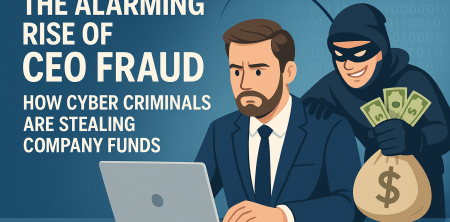
The corporate world is witnessing an alarming surge in a type of cybercrime known as CEO fraud. This fraudulent scheme has caught the attention of regulatory bodies, particularly the Securities and Exchange Board of India (SEBI), which recently issued a stark warning to companies about the dangers posed by impersonators who masquerade as corporate executives to siphon off funds.
The Mechanics of CEO Fraud
CEO fraud, often referred to as the 'boss scam', operates on a simple yet effective premise. Cybercriminals impersonate high-ranking officials, typically the CEO or CFO, and send urgent requests for money transfers or sensitive information. These requests usually arrive via email, social media, or messaging apps, exploiting the trust employees place in their leaders. The criminals often craft messages that convey a sense of urgency, compelling victims to act quickly and bypass established verification protocols.
SEBI's Latest Warning
In light of the rising incidents of this cybercrime, SEBI has taken a proactive stance. The organization’s warning highlights that listed companies and regulated entities need to fortify their cybersecurity measures against impersonation requests. They urge companies to implement rigorous verification processes before processing any fund transfers. SEBI specifically mandates that payment requests should never be solely verified through the communication channel used to make the request. Instead, organizations are encouraged to confirm such requests through alternate channels, such as direct phone calls.
The Emotional Impact of Financial Fraud
The emotional toll of falling victim to CEO fraud can be devastating for both individuals and organizations. The loss of significant funds can lead to a loss of trust among employees, stakeholders, and clients. It’s not just about the money lost; it’s about the reputational damage that can take years to rebuild. Given how common these scams are, the emotional impact and the urgency to act can create a perfect storm for businesses that don’t have proper countermeasures in place.
Why CEO Fraud is So Effective
One of the key reasons CEO fraud is so effective is its reliance on psychological manipulation. Criminals often conduct extensive research on their targets, which allows them to craft messages that seem credible and authoritative. By leveraging social engineering tactics, they exploit the established hierarchy within companies. Employees are conditioned to respond to their superiors' requests without questioning them, which is the primary vulnerability these criminals capitalize on.
Real-World Examples of CEO Fraud
Real-world cases illustrate the devastating consequences of CEO fraud. For instance, a notable case involved a multinational corporation that lost millions after a criminal impersonated its CEO and requested a wire transfer for a supposed merger deal. Employees, trusting their leader’s authority, executed the transfer without verifying the request through other communication channels. This case serves as a cautionary tale, highlighting how quickly and easily trust can be manipulated.
Implementing Verification Protocols
To prevent CEO fraud, organizations should establish clear verification protocols. SEBI recommends that firms implement the following strategies:
- Multi-Factor Authentication: Utilize multiple forms of authentication to verify requests, making it more difficult for criminals to succeed.
- Separate Communication Channels: Always confirm payment requests through a different medium, such as a direct phone call, rather than relying solely on email or messaging platforms.
- Employee Training: Regularly train employees on recognizing phishing attempts and the importance of verifying requests, even if they seem legitimate.
- Incident Response Plans: Have a clear plan in place for responding to suspected fraud, which includes notifying law enforcement and internal teams immediately.
Legal Implications for Businesses
Failing to protect against CEO fraud can lead to serious legal implications for businesses. If a company is found to have inadequate cybersecurity measures, it could face penalties or legal action from shareholders, stakeholders, or regulatory bodies. Moreover, if a breach leads to customer data exposure, the company could also face lawsuits and damaged relationships with clients. (See: CDC Cybersecurity Resources.)
The Role of Technology in Fighting CEO Fraud
Technology can play a significant role in combating CEO fraud. Advanced cybersecurity solutions, including AI-based anomaly detection systems, can help identify suspicious activities in real-time. These systems can flag unusual transactions or communications that deviate from normal patterns, providing an additional layer of security against impersonation attempts.
The Future of Corporate Cybersecurity
As CEO fraud continues to rise, the future of corporate cybersecurity will likely focus on improving verification processes and increasing employee awareness. Organizations must prioritize security protocols and invest in training programs to ensure that all employees understand the risks associated with CEO fraud. Cybersecurity is not just the responsibility of the IT department; every employee plays a role in safeguarding the company’s assets.
Conclusion: The Importance of Vigilance
The threat of CEO fraud is not going away anytime soon. As criminals become more sophisticated, it’s crucial for companies to remain vigilant and proactive in their cybersecurity measures. By establishing robust verification procedures, investing in employee training, and leveraging technology, organizations can significantly reduce their chances of falling victim to this devastating fraud. The stakes are high, and the cost of inaction could be catastrophic.
Understanding the Scope of CEO Fraud
To truly grasp the impact of CEO fraud, it's essential to look at the broader scope of this crime. According to the FBI’s Internet Crime Complaint Center (IC3), businesses worldwide lost over $1.8 billion to business email compromise (BEC) scams, a category that includes CEO fraud, in just one year. This staggering figure highlights how prevalent and damaging this type of fraud has become. The average loss for each victim can range from tens of thousands to millions of dollars, depending on the scale of the organization and the amount requested.
Who Are the Targets?
While any company can fall victim to CEO fraud, certain industries are more frequently targeted. Financial institutions, legal firms, and companies involved in high-value transactions are prime candidates due to the significant sums of money involved. For instance, in the manufacturing sector, a fraudulent email directing payment to a fake supplier can go unnoticed for longer, due to the nature of the transactions and the trust placed in established accounts. However, it’s important to recognize that small to medium-sized enterprises (SMEs) are also at risk. Often, these companies may not have the robust cybersecurity measures in place that larger firms do, making them easier targets. There's a fuller look at cybersecurity tips for startups.
Statistics on CEO Fraud
Statistics reveal some shocking trends related to CEO fraud. Research from various cybersecurity firms indicate that instances of this type of fraud have increased by over 400% in recent years. In addition, the average monetary loss per incident has reportedly risen as criminals become more sophisticated in their tactics. A survey by the Association of Certified Fraud Examiners found that 71% of organizations reported being targeted by email fraud attempts in the past year, with many of those related to impersonating executives.
How Criminals Operate
Understanding how criminals operate can help companies better prepare themselves. These fraudsters often engage in reconnaissance, gathering information about the company and its executives through social media platforms like LinkedIn, company websites, and news articles. They may even observe internal communications if they’ve gained some initial access to a company’s network. This preparation allows them to craft highly personalized emails that are difficult to distinguish from legitimate requests. For example, they might reference a recent project or a common vendor, making the request appear more credible.
Expert Perspectives on Preventing CEO Fraud
Experts in cybersecurity stress the importance of a multi-layered approach to prevent CEO fraud. Dr. Jane Smith, a cyber risk analyst, emphasizes that companies should not only rely on technology but also foster an organizational culture of skepticism towards unexpected requests. “Encouraging employees to question unusual requests, even from the CEO, can create a healthier security posture,” says Smith. Additionally, having regular audits of cybersecurity practices can help identify vulnerabilities before they are exploited.
Creating a Culture of Security Awareness
Creating a culture of security awareness is vital in combating CEO fraud. Companies should consider implementing regular training sessions that go beyond just the basic information about phishing or fraud. Interactive workshops where employees can learn about the latest scams and participate in simulations can be effective. Role-playing scenarios are particularly useful to empower employees to handle real-life situations. This way, they will feel more confident about escalating suspicious requests rather than acting on them impulsively.
Case Study: A Successful Prevention Strategy
A noteworthy example is a medium-sized financial firm that faced numerous attempted CEO fraud incidents. After conducting a thorough review of their cybersecurity practices, they implemented a comprehensive strategy that included mandatory training sessions, a clear incident response plan, and a whistleblower policy that encouraged employees to report suspicious activities without fear of repercussions. As a result, the firm managed to thwart multiple fraud attempts and even received recognition for their proactive measures in an industry notorious for being targeted by cybercriminals. (See: New York Times on CEO fraud.)
Frequently Asked Questions (FAQ) about CEO Fraud
What is CEO fraud?
CEO fraud is a type of cybercrime where scammers impersonate a company's CEO or other high-ranking officials to trick employees into transferring money or sensitive information.
How can I identify a CEO fraud attempt?
Look for signs such as unusual email addresses, requests for urgent action without prior context, and communications that do not follow the normal channels. Always verify requests through a separate communication method.
What should I do if I suspect CEO fraud?
If you suspect a CEO fraud attempt, immediately report it to your company's IT and security departments. Ensure that you do not engage with the suspicious message or provide any information until it is verified.
Can CEO fraud be prosecuted?
Yes, CEO fraud can lead to criminal prosecution. Many organizations and law enforcement agencies are working together to track and prosecute cybercriminals involved in these schemes.
What are the long-term effects of falling victim to CEO fraud?
The long-term effects can include financial losses, damage to the company's reputation, and erosion of trust among employees and clients. It can take significant time and resources to recover from such incidents.
Are there any specific regulations regarding CEO fraud?
Regulatory bodies like SEBI in India have issued guidelines urging companies to strengthen their cybersecurity measures against CEO fraud. Other regions may have similar regulations aimed at protecting businesses from cyber threats.
How can technology help in preventing CEO fraud?
Advanced cybersecurity solutions, including automated systems for detecting anomalies in communication patterns and transaction requests, can help organizations identify potential fraud attempts before they cause harm.
Addressing the Growing Cybersecurity Skills Gap
One underlying issue in the fight against CEO fraud is the significant skills gap in the cybersecurity field. There are not enough trained professionals to fill the increasing demand for expertise in cybersecurity measures. A report from Cybersecurity Ventures predicts that by 2025, there will be 3.5 million unfilled cybersecurity jobs worldwide. This shortage can leave organizations vulnerable, as they may lack the personnel to implement strong security protocols and monitor for threats effectively. To mitigate this gap, organizations can invest in training their existing staff, encouraging them to pursue certifications, and fostering a work environment that prioritizes continuous learning.
Recognizing Phishing Techniques
Understanding the various techniques used in phishing can help employees recognize and avoid potential scams. Criminals often use similar tactics, such as creating a sense of urgency or fear. They might claim that immediate action is required to avoid negative consequences, such as a delayed payment or a security breach. By familiarizing employees with common phishing tactics—like misspellings, fake logos, and suspicious links—companies can enhance their defenses against CEO fraud. Encouraging employees to take a few extra moments to verify the authenticity of a message can make a significant difference in preventing scams from succeeding.
The Global Nature of CEO Fraud
CEO fraud is a global issue, transcending borders and affecting organizations in every corner of the world. Criminals can operate from anywhere and target victims in different countries, making it challenging for law enforcement to address these scams effectively. The international nature of these crimes highlights the need for global cooperation among organizations and governments. Sharing intelligence about ongoing or emerging threats can enhance the collective ability to combat these fraudulent schemes and protect businesses and their stakeholders from harm.
Building Stronger Internal Communication
Improving internal communication can also help combat CEO fraud. Organizations should establish clear guidelines for communication, especially regarding financial transactions or sensitive information sharing. By ensuring that all employees know how to communicate effectively and securely, organizations can reduce the likelihood of falling victim to scams. Regularly scheduled team meetings can serve as platforms for discussing potential threats and reinforcing the importance of verification before taking action. This open dialogue fosters a culture of security and encourages employees to share concerns or ask questions about suspicious requests.
Engaging with External Cybersecurity Consultants
For many organizations, engaging with external cybersecurity consultants can provide an additional layer of protection against CEO fraud. These consultants bring specialized knowledge and experience in identifying vulnerabilities within a company's systems and processes. By conducting regular security assessments and penetration testing, they can help organizations understand where they might be at risk and how to fortify their defenses. Additionally, consultants can assist in developing tailored training programs for employees, ensuring they are equipped to recognize and respond to threats effectively.
Conclusion: The Road Ahead
As CEO fraud continues to evolve, organizations must remain proactive in their approach to cybersecurity. Understanding the tactics used by criminals, implementing effective verification processes, and fostering a culture of security awareness are essential steps in safeguarding against these threats. By leveraging technology and engaging with cybersecurity experts, businesses can build a robust defense against CEO fraud. The road ahead may be challenging, but with diligence and collaboration, organizations can protect their assets and maintain trust with their stakeholders.
```
Trending Now
Frequently Asked Questions
What is CEO fraud and how does it work?
CEO fraud, also known as the 'boss scam,' involves cybercriminals impersonating high-ranking officials like CEOs or CFOs to trick employees into transferring money or sensitive information. They often use urgent messages via email or messaging apps, exploiting the trust placed in leaders to bypass verification protocols.
How can companies prevent CEO fraud?
To prevent CEO fraud, companies should implement rigorous verification processes for payment requests. SEBI recommends confirming requests through alternate channels, such as direct phone calls, rather than relying solely on the communication method used to make the request.
What are the consequences of falling victim to CEO fraud?
Falling victim to CEO fraud can lead to significant financial losses, loss of trust among employees and stakeholders, and severe reputational damage. The emotional toll can be devastating, as organizations may take years to rebuild their reputation after such incidents.
Why is CEO fraud on the rise?
The rise of CEO fraud can be attributed to increased digital communication and the ability of cybercriminals to exploit trust in corporate hierarchies. As companies become more reliant on online communication, the opportunities for impersonation and scams grow, prompting regulatory bodies to issue warnings.
What actions has SEBI taken against CEO fraud?
In response to the rising incidents of CEO fraud, SEBI has issued warnings to companies, urging them to enhance their cybersecurity measures. They emphasize the importance of verifying payment requests through alternative channels to combat impersonation scams effectively.
What did we miss? Let us know in the comments and join the conversation.

