```html
The protein revolution has swept across dining tables, gyms, and grocery stores alike, transforming how we think about food. Whether you're looking to build muscle, lose weight, or simply optimize your health, you'll likely encounter an insatiable focus on protein intake in just about every corner of the nutrition landscape. But as consumers dive headfirst into this protein-centric mentality, are we overlooking critical aspects of a balanced diet? Let's explore how the protein craze has evolved beyond just hardcore athletes and how it affects our everyday food choices.
The Rise of the Protein Paradigm
Over the past decade, the quest for protein has surged, leading to a proliferation of high-protein foods on the market. From protein bars to fortified cereals, the emphasis on protein intake is evident. Recent statistics reveal that protein-rich foods now dominate grocery aisles, with consumers willing to pay a premium for anything labeled as high-protein. This trend has gained traction not only among bodybuilders and fitness enthusiasts but also among casual dieters and health-conscious individuals. However, the question remains: does more protein equal better health?
Understanding Protein: What You Need to Know
Protein is one of the essential macronutrients our bodies require for numerous functions, including tissue repair, muscle growth, and hormone regulation. The Recommended Dietary Allowance (RDA) for protein is about 0.8 grams per kilogram of body weight for the average adult, translating to roughly 46 grams per day for women and 56 grams for men. Yet, many individuals, especially those who engage in intense physical activity, may require more.
However, the obsession with hitting high-protein targets has led some to neglect other crucial nutrients. Carbohydrates and fats, often vilified in the protein-first movement, play vital roles in energy production and overall health. Ignoring these macronutrients can result in deficiencies that may negatively impact your well-being.
The Shift in Consumer Behavior
The protein craze has shifted consumer behavior significantly. Grocery stores are now filled with an array of products claiming to be high in protein, often at the expense of other nutrients. For instance, many snack foods marketed as protein-rich contain added sugars and unhealthy fats, undermining their perceived health benefits.
This shift isn't just about food products; it's also evident in restaurant menus, where high-protein options are often prioritized. Consumers find themselves gravitating toward protein-packed meals, sometimes overlooking balanced options that include a variety of food groups. This trend is especially concerning for younger generations, who may not be receiving the diverse nutrition necessary for their growth and development.
The Influence of Social Media
Social media has played a monumental role in fueling the protein craze. Influencers and fitness personalities often showcase their high-protein meals and snacks, shaping public perception about what constitutes a healthy diet. The rise of platforms like Instagram and TikTok has created a visually-driven culture where aesthetically pleasing, protein-rich recipes dominate feeds.
Many of these influencers promote a one-dimensional view of nutrition, emphasizing protein as the cornerstone of health. While these messages can inspire individuals to adopt healthier eating habits, they can also perpetuate misleading notions about the necessity of high protein intake for everyone.
The Risks of Excessive Protein Intake
While protein is crucial for health, too much of a good thing can lead to potential pitfalls. Excessive protein intake can strain the kidneys, especially in individuals with pre-existing kidney conditions. Furthermore, research suggests that high-protein diets may increase the risk of osteoporosis due to reduced calcium absorption.
Another risk associated with prioritizing protein is the likelihood of inadequate carbohydrate consumption. Carbohydrates are our body's primary energy source and are essential for athletic performance and cognitive function. Restricting carbs in favor of excessive protein can lead to fatigue, decreased exercise performance, and impaired brain function.
The Balance of Macronutrients
For optimal health, achieving a balance between protein, carbohydrates, and fats is key. Instead of fixating on protein intake alone, it's wise to focus on the overall quality of your diet. A varied diet rich in fruits, vegetables, whole grains, lean proteins, and healthy fats can provide the nutrients your body needs to function at its best. (See: World Health Organization on protein.)
Experts recommend aiming for a balanced plate, with approximately 25% protein, 50% carbohydrates, and 25% healthy fats for most adults. This approach allows you to enjoy the benefits of protein without neglecting essential nutrients.
Listening to Your Body's Needs
While it's tempting to adhere to specific dietary trends, listening to your body's unique needs remains paramount. Everyone's protein requirements vary based on factors such as age, activity level, and overall health. For instance, older adults may require more protein to combat muscle loss, while athletes may need additional protein for recovery and muscle synthesis.
Pay attention to hunger cues and how your body responds to different foods. If you find yourself feeling sluggish or fatigued, it may indicate that your diet lacks sufficient carbohydrates or fats. Striking a balance can help you feel more energized and satisfied.
Finding Quality Protein Sources
Not all protein sources are created equal. While animal-based proteins like meat, eggs, and dairy are complete proteins, it's essential to consider the quality of the protein you consume. Processed protein products often contain fillers, excess sugars, and unhealthy fats that can negate their benefits.
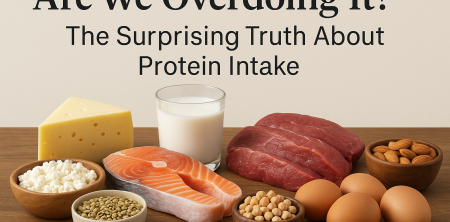
Instead, focus on whole food sources of protein. Lean meats, fish, eggs, legumes, nuts, seeds, and dairy products offer not only protein but also a host of other nutrients beneficial for your overall health. Plant-based sources like legumes and quinoa provide fiber, vitamins, and minerals that support digestion and immune function.
Practical Tips for Balanced Eating
Incorporating a balanced approach to your diet doesn't have to be complicated. Here are some actionable tips to help achieve a well-rounded intake of protein, carbohydrates, and fats:
- Prioritize whole foods: Focus on minimally processed foods that are nutrient-dense.
- Mix it up: Include a variety of protein sources, both animal and plant-based, in your meals.
- Don’t neglect carbs: Choose whole grains, fruits, and vegetables to fuel your body.
- Smart snacking: Opt for snacks that combine protein, healthy fats, and fiber, like nuts or yogurt with fruit.
- Stay hydrated: Proper hydration supports overall health and aids in digestion.
The Role of Protein in Different Diets
Protein intake is crucial for various dietary patterns, each with its unique focus. For instance, the ketogenic diet, which emphasizes low carbohydrate intake, suggests a higher protein and fat ratio to promote ketosis. On the other hand, vegetarian and vegan diets require careful planning to ensure adequate protein intake from plant-based sources. Foods like lentils, chickpeas, and tofu are excellent options, but individuals may need to combine different protein sources to achieve a complete amino acid profile.
For those following a paleo or carnivore diet, the emphasis is heavily on animal proteins, which can lead to higher protein consumption. While these diets promote lean meats and fish, it’s crucial to ensure the inclusion of some nutrient-dense vegetables to maintain overall health.
Understanding how protein fits into different dietary frameworks can help you make informed decisions about your nutritional needs. This knowledge is essential, especially if you're exploring or transitioning to a new diet.
Protein Intake Across Different Life Stages
Protein needs vary significantly across different life stages. Children require protein for growth and development, while teenagers, particularly those involved in sports, need adequate protein to support increased muscle mass and hormonal changes. For adults, the protein requirement stabilizes but may increase in older adults to prevent muscle loss associated with aging.
Interestingly, pregnant and lactating women have higher protein needs to support fetal development and milk production. It’s recommended that pregnant women consume about 71 grams of protein per day, which is significantly higher than the standard RDA. This underscores the need for attention to dietary choices during these critical periods.
Common Myths About Protein Intake
As with any popular trend, myths and misconceptions about protein intake abound. One of the most pervasive myths is that excessive protein is necessary for muscle gain. While protein is essential for muscle repair and growth, excessive amounts do not translate to increased muscle mass. The body can only utilize a certain amount of protein at a time for muscle synthesis; the rest may be used for energy or stored as fat. (See: NIH facts on protein intake.)
Another common myth is that all protein sources are equivalent. As discussed earlier, the quality of protein varies significantly between sources. While animal proteins are complete, most plant proteins lack one or more essential amino acids. It's important to combine sources, such as beans and rice, to ensure a complete amino acid profile.
The Future of Protein: Trends to Watch
The future of protein intake is likely to evolve as consumer preferences shift. Trends such as plant-based diets and sustainable eating are gaining traction, pushing more companies to innovate with protein sources. Alternative proteins, like insects and lab-grown meat, are becoming more mainstream as people seek sustainable ways to meet their protein needs.
In addition, the rise of personalized nutrition, which tailors dietary recommendations to individual needs, could change how we view protein intake. Wearable technology and apps that track dietary intake and health metrics may lead to more informed decisions about protein consumption.
Frequently Asked Questions (FAQ)
How much protein do I need daily?
The general guideline for adults is 0.8 grams of protein per kilogram of body weight. However, athletes and those engaged in intense physical activity may require more, typically ranging from 1.2 to 2.0 grams per kilogram.
Can I get enough protein on a vegetarian or vegan diet?
Absolutely! With careful planning, it’s possible to get sufficient protein from plant sources. Foods such as legumes, tofu, seitan, quinoa, and nuts can provide adequate protein for vegetarians and vegans.
Is it safe to consume protein supplements?
Protein supplements can be safe if used appropriately. They can be convenient for meeting protein needs, especially for athletes or those with higher requirements. However, it's essential to choose high-quality products without excessive added sugars or fillers.
What are the signs of protein deficiency?
Signs of protein deficiency include fatigue, muscle weakness, impaired immune function, and hair loss. If you're concerned about your protein intake, consult a healthcare professional for personalized advice.
Does protein intake affect weight loss?
Yes, higher protein intake can aid weight loss by promoting satiety, reducing overall calorie intake, and preserving muscle mass while losing fat. However, it's essential to maintain a balanced diet that includes all macronutrients for sustainable weight loss.
Protein and Its Role in Athletic Performance
For athletes, protein intake plays a vital role in performance and recovery. Consuming protein after workouts helps repair and build muscle tissues, which is crucial for maintaining optimal physical condition. Studies have shown that athletes who consume protein post-exercise tend to recover quicker and perform better in subsequent workouts.
The timing and type of protein consumed can make a difference as well. Whey protein, for example, is a complete protein that is quickly absorbed by the body, making it a popular choice for post-workout recovery. In contrast, casein protein, found in dairy, is digested more slowly and may be beneficial when consumed before bed to provide a steady supply of amino acids overnight. (See: CDC guidelines on dietary protein.)
Protein Intake in Different Cultures
Globally, protein intake varies greatly depending on cultural dietary practices. In many Western diets, there is a heavy emphasis on animal proteins like beef, chicken, and dairy. However, in Asian cultures, plant-based proteins such as soy, tofu, and legumes are more commonly consumed. This difference highlights how diverse dietary patterns can meet protein needs effectively while also incorporating various other nutrients.
For instance, the Mediterranean diet, which is rich in vegetables, fruits, whole grains, and healthy fats, also includes moderate amounts of lean meats and fish. This approach ensures that while protein intake is adequate, it is balanced with other nutrients, promoting overall health.
Innovations in Protein Sources
The food industry is witnessing incredible innovations in protein sources aimed at sustainability and health. Plant-based meat alternatives have gained immense popularity, with brands creating products that mimic the taste and texture of meat, appealing not only to vegetarians but also to meat lovers looking to reduce their consumption.
Insects are also gaining traction as a sustainable protein source. Rich in protein, vitamins, and minerals, insects require significantly fewer resources, such as water and land, compared to traditional livestock. Countries like Thailand and Mexico have been consuming insects for centuries, and they are gradually being introduced into Western diets as well. This could be a game-changer for addressing protein needs in a more sustainable manner.
Protein and Aging
As we age, our protein needs may change. Studies indicate that older adults might require more protein to maintain muscle mass and overall health. Sarcopenia, the age-related loss of muscle mass, can be mitigated with adequate protein intake, coupled with resistance training.
For seniors, focusing on high-quality protein sources is essential. Foods like eggs, Greek yogurt, and fish are excellent choices that provide not only protein but also other crucial nutrients like omega-3 fatty acids and vitamin D, which are important for bone health.
Conclusion: Rethinking Protein Intake
As we navigate the protein craze, it's crucial to recognize that more protein isn't always better. By adopting a holistic perspective on nutrition, we can appreciate the importance of balance in our diets. Making informed choices about protein intake while ensuring that we also consume adequate carbohydrates and healthy fats can lead to improved health outcomes. As consumers, it’s time to step back from the craze, listen to our bodies, and embrace a more rounded approach to nourishment.
```
Trending Now
Frequently Asked Questions
Is too much protein bad for you?
Excessive protein intake can lead to health issues such as kidney strain, dehydration, and nutrient imbalances. While protein is essential for muscle growth and repair, it's crucial to maintain a balanced diet that includes carbohydrates and fats to prevent deficiencies and support overall health.
What is the recommended daily protein intake?
The Recommended Dietary Allowance (RDA) for protein is approximately 0.8 grams per kilogram of body weight, which translates to about 46 grams per day for women and 56 grams for men. Active individuals may require more depending on their activity level.
Can you get enough protein from a vegetarian diet?
Yes, a vegetarian diet can provide sufficient protein through a variety of sources such as legumes, nuts, seeds, dairy products, and whole grains. It's important to include a diverse range of these foods to meet protein needs while also ensuring a balanced intake of other nutrients.
What happens if you don’t eat enough protein?
Insufficient protein intake can lead to muscle loss, weakened immune function, and slower recovery from injuries. It can also result in deficiencies in essential amino acids, which are crucial for various bodily functions, including hormone regulation and tissue repair.
Are protein supplements necessary for everyone?
Protein supplements are not necessary for everyone, especially if you can meet your protein needs through a balanced diet. They may benefit athletes or individuals with higher protein requirements, but focusing on whole food sources is generally the best approach for overall health.
Have you experienced this yourself? We'd love to hear your story in the comments.

