```html
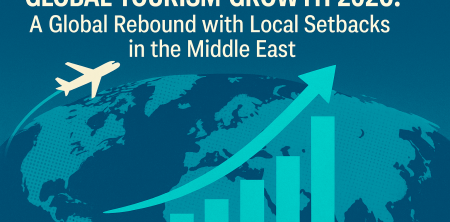
The landscape of travel is shifting as we look towards the future, specifically into the year 2026. Global tourism growth is projected to increase by approximately 2%. However, this optimistic outlook is tempered by a sharp downturn in travel demand within the Middle East, driven by escalating conflicts and rising travel costs. This juxtaposition presents both opportunities and challenges for travelers and the travel industry alike.
Understanding Global Tourism Growth in 2026
As we approach 2026, the global tourism sector is showing signs of recovery and growth, albeit at a modest rate. A 2% increase in tourism globally reflects a cautious optimism, as many regions rebound from the impacts of the COVID-19 pandemic that severely disrupted travel plans across the globe. This revival is a testament to the resilience of the travel industry, which has adapted and evolved in response to unprecedented challenges.
Travelers are gradually returning to their favorite destinations, and new trends are emerging as people seek diverse experiences. Sustainable tourism practices are gaining traction, with more individuals considering eco-friendly options. Whether it’s staying at green hotels or opting for local experiences, travelers are becoming more mindful of their impact on destinations.
The Middle East: A Complex Reality
While global tourism is on a gradual incline, the Middle East paints a stark contrast. This region is currently experiencing a significant drop in travel demand, primarily due to ongoing conflicts that have created a sense of urgency and caution among potential travelers. Increased instability, particularly in countries like Syria and Yemen, is influencing decisions on where and when to travel.
Rising travel costs are adding another layer of complexity. Inflation and increased operational costs have led to higher prices for flights and accommodations, making travel in the region less accessible for many. This combination of conflict and costs is driving potential visitors to re-evaluate their travel plans, often opting for safer and more affordable destinations.
The Emotional Weight of Travel Decisions
The current state of the Middle East highlights the emotional weight that accompanies travel decisions. With rising costs and conflict, many travelers are asking themselves difficult questions: Is it worth traveling to this region? Will prices continue to escalate? How might the situation worsen?
The fear of missing out (FOMO) is palpable, as travelers rush to finalize plans before conditions worsen or costs climb further. This urgency can lead to impulsive decisions. While some may find excellent deals, others could end up overpaying or choosing destinations that don't align with their original travel goals.
Regional Trends Influencing Global Travel
As global tourism growth 2026 unfolds, various regional trends will influence overall travel patterns. In Europe, for example, many countries are seeing a resurgence in tourism, driven by increased vaccination rates and relaxed travel restrictions. Iconic cities like Paris, Rome, and Barcelona are once again welcoming tourists, buoyed by a vibrant cultural scene that has adapted to post-pandemic realities.
In Asia, there is a cautious return to travel, particularly in Southeast Asia, where countries like Thailand and Indonesia are drawing tourists eager to experience their rich cultures and landscapes. The emphasis on safety and wellness tourism is resonating with travelers who prioritize health-conscious vacationing.
The Impact of Rising Costs on Travel Planning
Rising costs are affecting travel decisions worldwide, not just in the Middle East. Increased fuel prices, labor shortages in the hospitality sector, and inflation are contributing to higher costs across the board. For travelers, this means that budgeting for vacations requires more planning than ever before.
Travelers are increasingly seeking value-based options. This shift leads to a greater interest in all-inclusive packages, where costs are more predictable. Additionally, many are considering alternative accommodations, such as vacation rentals, which can often provide more space and amenities for families or groups traveling together. (See: Tourism and health fact sheet.)
Future of Travel: Trends to Watch
As we look forward to 2026, several key trends are emerging that will shape the future of travel. First, the emphasis on sustainable travel is becoming more prominent. Travelers are gravitating towards eco-friendly options, seeking destinations that prioritize environmental conservation and social responsibility.
Second, technology continues to play a pivotal role in enhancing the travel experience. From contactless check-ins to mobile apps that facilitate seamless travel planning, advancements in technology are making travel more accessible and enjoyable for everyone. This trend is likely to persist as consumers become more tech-savvy.
Advice for Travelers in a Shifting Landscape
In light of the current landscape, travelers should approach planning with flexibility and caution. Here are some actionable tips:
- Stay Informed: Keep abreast of travel advisories and news regarding your intended destination. Understanding local conditions is crucial.
- Be Flexible: Consider travel insurance that covers cancellations and changes to protect your investment.
- Budget Wisely: With rising costs, create a budget that includes potential fluctuations in prices. Look for deals and consider traveling during off-peak seasons.
- Explore Alternatives: If a destination is facing challenges, research other locations that offer similar experiences without the associated risks.
The Role of Travel Agencies and Experts
In this complex environment, the role of travel agencies and experts cannot be overstated. These professionals are equipped with the knowledge and experience to guide travelers through uncertain waters. They can provide valuable insights into current conditions, help navigate pricing fluctuations, and assist with creating customized itineraries that meet individual needs.
Moreover, agencies can often access exclusive deals and packages that may not be available to the general public, making them a valuable resource for savvy travelers. As the industry evolves, the advice and expertise of travel professionals will continue to be a significant asset.
Looking Ahead: Global Tourism Growth and the Middle East
The contrast between global tourism growth 2026 and the downturn in the Middle East will continue to shape the travel landscape. While many regions are poised for recovery and resurgence, the challenges facing the Middle East highlight the need for resilience and adaptability.
For travelers, this scenario encourages exploration beyond familiar territories. There are countless destinations waiting to be discovered, offering unique experiences and adventures. As you plan your next getaway, consider how the current dynamics can inform your choices and enhance your travel experience.
Final Thoughts on Travel in 2026
Travel is an evolving journey, shaped by both local and global influences. As we approach 2026, the contrast of a growing global tourism market against the backdrop of declining travel demand in the Middle East serves as a reminder of the complexities within the industry. Being proactive, informed, and flexible will equip travelers to navigate the shifting landscape effectively.
Predictions for Emerging Destinations
As we anticipate global tourism growth in 2026, certain emerging destinations are likely to capture the interest of travelers. Countries like Vietnam, Portugal, and Colombia are gaining traction due to their rich cultures, beautiful landscapes, and affordability compared to traditionally popular destinations. For instance, Vietnam's combination of stunning natural beauty, historical sites, and delicious cuisine makes it an attractive option for adventurous travelers.
Portugal's stunning coastline, vibrant cities like Lisbon and Porto, and a lower cost of living compared to other Western European countries are drawing more visitors each year. Similarly, Colombia, with its diverse ecosystems, friendly locals, and cultural richness, is fast becoming a must-visit location for those looking to explore South America.
Statistics on Global Tourism Growth
Looking at the statistics concerning global tourism growth, the World Tourism Organization (UNWTO) projects that international tourist arrivals could reach 1.8 billion by 2030, with steady growth leading up to that target. By 2026, it is expected that the number of travelers will continue to increase, particularly as more destinations relax their entry requirements and invest in recovery strategies. For instance, in 2023 alone, Europe experienced a 30% increase in international arrivals compared to the previous year. This trend is expected to continue as travelers regain confidence in traveling.
The Importance of Sustainable Tourism
Sustainable tourism is no longer just a trend; it’s becoming a standard expectation among travelers. As more people become conscious of their environmental footprint, they are actively seeking out eco-friendly accommodations, experiences that give back to local communities, and destinations that prioritize conservation efforts. A report by Booking.com indicated that 83% of travelers believe sustainable travel is vital, and many are willing to change their plans to accommodate greener choices. (See: CDC travel guidelines.)
Travelers are increasingly opting for eco-lodges, participating in conservation programs, and choosing destinations that focus on sustainability. This shift is encouraging businesses within the tourism sector to adopt greener practices, from reducing plastic use to supporting local economies.
FAQ About Global Tourism Growth 2026
What are the primary drivers of global tourism growth in 2026?
Several primary drivers include the recovery from the pandemic, increased vaccination rates, improved travel infrastructure, and rising disposable income among travelers. Additionally, the push for sustainable tourism and technological advancements in booking and travel management are also key factors.
Which regions are expected to see the most significant tourism growth by 2026?
Regions like Southeast Asia, particularly Thailand and Vietnam, along with parts of Europe such as Portugal and Spain, are expected to see significant tourism growth. The Americas, especially Central and South America, are also becoming increasingly popular as travelers seek new experiences.
How are rising costs affecting travel decisions?
Rising costs due to inflation, fuel prices, and labor shortages are leading travelers to become more strategic in their planning. Many are looking for deals, prioritizing value options, and considering alternative destinations that offer similar experiences at a lower cost.
How will technology shape the travel experience by 2026?
Technology will continue to enhance the travel experience through innovations such as mobile check-ins, virtual tours, and personalized travel planning apps. The use of AI in customer service and data analysis for personalized recommendations will also become more prevalent.
What should travelers keep in mind while planning for 2026?
Travelers should remain flexible, stay informed about current conditions in their desired destinations, and consider investing in travel insurance. Being mindful of budgetary constraints and exploring various options can lead to a more fulfilling travel experience.
The Influence of Global Events on Travel Trends
When discussing global tourism growth in 2026, it's essential to consider how global events can significantly impact travel trends. Major sporting events, cultural festivals, and international conferences can draw significant tourist traffic to specific locations. For example, the 2026 FIFA World Cup in North America is expected to boost tourism in the United States, Canada, and Mexico as fans flock to see matches.
Events like these not only bring immediate tourism boosts but also encourage long-term interest in destinations. Countries hosting such events often invest in infrastructure improvements, which enhance the overall travel experience and can lead to sustained increases in tourism long after the event has concluded.
Emerging Technologies Shaping Travel
As we advance towards 2026, emerging technologies are set to redefine how we travel. Innovations such as virtual reality (VR) and augmented reality (AR) are beginning to play a role in travel planning and experiences. For instance, travelers can use VR to explore a destination before booking, allowing them to envision their trip better or make informed choices about where to stay or what to do.
Blockchain technology is also on the rise in the travel industry, providing secure and transparent transactions. This can enhance trust between travelers and service providers, making it easier to book flights, accommodations, and tours. As technology continues to evolve, it will undoubtedly open new avenues for travel experiences and efficiency. (See: BBC report on tourism recovery.)
Health and Safety Protocols Post-Pandemic
The ongoing focus on health and safety will shape travel significantly as we approach 2026. Travelers have become more aware of health protocols, and their expectations have shifted. Destinations that prioritize health and safety, offering measures like enhanced sanitation, social distancing, and health screenings will likely attract more visitors.
Governments and tourism boards are likely to maintain and adapt these protocols to accommodate travelers' concerns, ensuring that visitors feel safe and secure during their journeys. This focus can become a competitive advantage for destinations looking to attract international tourists.
Changing Demographics of Travelers
As we look towards 2026, the demographics of travelers are shifting. Millennials and Gen Z are becoming the dominant groups in travel, with their preferences significantly shaping the tourism landscape. These younger travelers prioritize experiences over material goods, seeking authenticity and meaningful connections during their trips.
Family travel is also changing, as more families are opting for multi-generational trips, allowing for shared experiences among grandparents, parents, and children. This shift means that destinations and travel providers need to cater to diverse needs, offering activities that appeal to different age groups and interests.
Considering Local Economies in Travel Choices
Travelers are increasingly recognizing the impact their choices have on local economies. In 2026, there will likely be a greater emphasis on supporting local businesses rather than international chains. This shift includes choosing local restaurants, artisans, and tour operators, which helps foster community development.
By prioritizing local experiences, travelers not only gain authentic insights into the culture but also contribute to the sustainability of the local economy. This trend aligns with the growing popularity of responsible tourism, where travelers seek to leave a positive footprint in the destinations they visit.
Conclusion: Embracing the Future of Travel
As we look towards global tourism growth in 2026, it's clear that the landscape of travel will be shaped by a combination of resilience, technology, and sustainability. The effects of current events, cultural shifts, and emerging technologies will continue to redefine how we experience travel. By staying informed and adaptable, travelers can navigate this evolving landscape, ensuring enriching and memorable journeys.
```
Trending Now
Frequently Asked Questions
What is the projected growth rate of global tourism in 2026?
Global tourism is projected to grow by approximately 2% in 2026. This growth reflects a cautious optimism as the industry recovers from the disruptions caused by the COVID-19 pandemic, with travelers returning to favorite destinations and new trends in sustainable tourism emerging.
Why is travel demand declining in the Middle East?
Travel demand in the Middle East is experiencing a significant decline due to ongoing conflicts, particularly in countries like Syria and Yemen. This instability creates caution among potential travelers, impacting their decisions on travel to the region.
What factors are contributing to rising travel costs in the Middle East?
Rising travel costs in the Middle East are driven by inflation and increased operational expenses. These factors have led to higher prices for flights and accommodations, making travel less accessible for many individuals considering trips to the region.
How is sustainable tourism impacting travel trends in 2026?
Sustainable tourism practices are gaining traction as travelers become more mindful of their impact on destinations. In 2026, more individuals are opting for eco-friendly options, such as staying at green hotels and choosing local experiences, reflecting a shift towards responsible travel.
What challenges does the travel industry face in 2026?
The travel industry in 2026 faces challenges such as regional conflicts affecting travel demand, particularly in the Middle East, and rising operational costs leading to increased prices. These factors create a complex landscape for both travelers and the tourism sector as a whole.
Have you experienced this yourself? We'd love to hear your story in the comments.

