```html
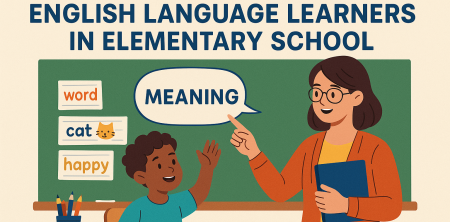
Teaching semantics to English language learners (ELLs) in elementary schools presents an exciting yet challenging opportunity for educators. As students embark on their language learning journey, the nuances of meaning embedded in vocabulary and context can often become barriers to comprehension. This article delves into the intricacies of semantics, its significance in language acquisition, and effective strategies for teaching these concepts to ELLs.
Understanding Semantics: A Fundamental Component of Language
Semantics, the study of meaning in language, plays a crucial role in how individuals communicate and understand one another. For English language learners, grasping semantics is essential not just for vocabulary acquisition but also for overall language proficiency. Understanding the meaning of words, phrases, and sentences allows students to engage with texts, follow conversations, and express themselves effectively.
Often, semantics involves the exploration of synonyms, antonyms, homonyms, and idiomatic expressions, which can be particularly challenging for ELLs due to their varied backgrounds and experiences with the English language. By recognizing the importance of semantics, educators can develop targeted strategies that help these learners connect words with their meanings more effectively.
The Role of Context in Understanding Meaning
Context is vital in teaching semantics to English language learners. The same word can have different meanings based on the context in which it is used. For example, the word "bark" can refer to the outer covering of a tree or the sound made by a dog. Teaching students to identify contextual clues can significantly enhance their understanding of semantics.
Educators can utilize various strategies to emphasize context, such as:
- Contextualized Vocabulary Instruction: Teach vocabulary within the context of stories, themes, or real-life situations rather than in isolation. This allows students to see how words function in sentences and understand their meanings more deeply.
- Think-Aloud Strategies: Model comprehension by verbalizing your thought process as you encounter new words in texts. This practice encourages students to utilize similar strategies when faced with unfamiliar vocabulary.
- Visual Supports: Use images, videos, or graphic organizers to provide visual context for new vocabulary, helping students associate meanings with words more effectively.
Building Vocabulary: The Foundation of Semantics
A strong vocabulary is integral to understanding semantics. When teaching semantics to English language learners, it's essential to focus on vocabulary development strategies. Here are some effective approaches:
- Word Mapping: Engage students in creating word maps that include definitions, synonyms, antonyms, and sentences using the target word. This holistic approach encourages deeper engagement with vocabulary.
- Interactive Vocabulary Activities: Incorporate games and hands-on activities that allow students to practice vocabulary in an interactive setting. Activities like word sorts, matching games, and role-play can reinforce understanding.
- Personalized Vocabulary Lists: Encourage students to keep personalized vocabulary journals where they record new words and their meanings. This not only helps reinforce learning but also encourages students to take ownership of their language development.
Incorporating Cultural Contexts
Culture plays a significant role in semantics. Many words and phrases have cultural connotations that may not translate directly into English. Educators must be aware of cultural nuances and incorporate them into their instruction. For instance, idiomatic expressions often reflect cultural experiences that ELLs may not be familiar with.
To effectively incorporate cultural contexts into semantics teaching, consider the following strategies: (See: Understanding the study of semantics.)
- Culturally Relevant Materials: Use texts, stories, and examples that reflect the diverse backgrounds of your students. This not only makes learning more relatable but also fosters a sense of inclusion.
- Encourage Sharing: Provide opportunities for students to share their cultural experiences and expressions. This not only enhances their understanding of semantics but also enriches the classroom environment.
- Cultural Comparisons: Highlight differences and similarities in expressions or meanings between English and the students' native languages. This can deepen their understanding and appreciation of both languages.
Practical Activities to Teach Semantics
Engaging activities can make the process of teaching semantics to English language learners enjoyable and effective. Here are some practical activities educators can use:
- Semantic Mapping: Create a semantic map on the board with a central word surrounded by branches that represent related words, synonyms, antonyms, and examples. This visual representation helps students see the connections between words.
- Word of the Day: Introduce a new word each day and explore its meaning through various activities—like writing sentences, creating drawings, or acting it out. This continuous exposure helps reinforce understanding over time.
- Story Retelling: After reading a story, have students retell it in their own words, emphasizing the meanings of key vocabulary. This reinforces comprehension and allows for the exploration of semantics in context.
- Semantic Puzzles: Create puzzles or games that require students to match words with their meanings, synonyms, or antonyms. This interactive approach can make learning vocabulary and semantics feel like a game.
Using Technology in Semantic Instruction
Incorporating technology into the classroom can enhance the teaching of semantics for English language learners. There are numerous digital tools and resources that make learning engaging and accessible:
- Vocabulary Apps: Utilize mobile apps designed for vocabulary development, which often include interactive games, quizzes, and activities that reinforce semantic understanding.
- Online Dictionaries and Thesauruses: Teach students how to effectively use digital dictionaries and thesauruses to explore words and their meanings. This empowers them to take charge of their learning.
- Interactive Whiteboards: Use interactive boards to engage students in collaborative activities where they can explore and demonstrate their understanding of semantic relationships in real time.
- Multimedia Resources: Incorporate videos, podcasts, and audio clips that highlight the usage of vocabulary in various contexts. Hearing words used in real-life situations can significantly boost students' comprehension.
Assessing Semantic Understanding
Assessment is a key component in teaching semantics to English language learners. To gauge their understanding effectively, educators can use a variety of assessment methods:
- Informal Assessments: Conduct informal assessments through observation during activities and discussions. Pay attention to how students use vocabulary and whether they grasp the meanings in context.
- Quizzes and Games: Create quizzes or games that focus on vocabulary and semantic relationships, providing a fun way for students to demonstrate their understanding while reducing test anxiety.
- Portfolio Assessments: Encourage students to create portfolios that showcase their vocabulary work, including word maps, journals, and projects. This holistic approach allows for a deeper understanding of their growth.
- Peer Assessment: Implement peer assessments where students evaluate each other's understanding of semantics through collaborative activities. This encourages a supportive learning environment and reinforces learning.
Challenges in Teaching Semantics to ELLs
While teaching semantics is vital for English language learners, it comes with its set of challenges. Understanding these hurdles can empower educators to create more effective strategies:
- Diverse Language Backgrounds: ELLs come from various linguistic backgrounds, making it essential for educators to tailor their semantics instruction according to the students' specific language needs.
- Limited Exposure to English: Some students may have limited exposure to English outside the classroom, which can hinder their ability to practice semantic understanding in real-life contexts.
- Overgeneralization of Meanings: ELLs often overgeneralize word meanings based on their native language, leading to misunderstandings. Educators must address this by providing clear explanations and ample examples.
- Fear of Mistakes: Many ELLs may feel apprehensive about making mistakes in front of peers. Creating a safe and supportive classroom environment that encourages risk-taking is crucial for their growth.
Current Relevance of Teaching Semantics
The importance of teaching semantics to English language learners continues to grow in today's multicultural classrooms. With an increasing number of ELLs entering schools worldwide, educators must be equipped with the tools and strategies to support these learners effectively. As the linguistic landscape evolves, so too must our approaches to instruction.
By emphasizing semantics, educators not only enhance ELLs' vocabulary and comprehension skills but also empower them to participate more fully in classroom discussions and activities. This focus on semantics leads to greater academic success, social interactions, and overall language development.
Final Thoughts
Teaching semantics to English language learners in elementary school is more than just vocabulary instruction; it's about fostering an environment where students can thrive linguistically and culturally. By integrating contextual learning, leveraging technology, and addressing the unique challenges faced by ELLs, educators can truly make a difference in their students' language acquisition journeys.
Expanding on Semantic Instruction Techniques
To further enhance the teaching of semantics, integrating varied instructional techniques can be beneficial. A multi-faceted approach allows for different learning styles to be accommodated and ensures deeper engagement. Here are additional techniques worth considering:
- Collaborative Learning: Group activities where students work together to explore meanings can be very effective. This not only helps them learn from each other but also fosters a sense of community within the classroom.
- Semantic Role Play: Using role play can help students practice vocabulary and contextual meanings in real-life scenarios. For example, simulating a restaurant environment can help students understand terms related to food, ordering, and customer service.
- Story-Based Learning: Integrating stories that are rich in semantic content allows students to see vocabulary used in context. After reading, discussions can revolve around the meanings of words and phrases used in the story, enhancing semantic understanding.
- Cross-Disciplinary Approaches: Collaborating with other subject areas, like science or social studies, can help students learn vocabulary that applies to various contexts. This reinforces the relevance of words across different fields.
Statistics and Research on Semantic Learning
Research has shown that a strong focus on semantics positively affects language acquisition for ELLs. According to a study published by the National Literacy Panel, explicit vocabulary instruction significantly improves reading comprehension among ELLs. Additionally, a meta-analysis of various vocabulary studies found that students who engaged in semantic mapping showed an average increase of 30% in vocabulary retention compared to those who did not.
Further statistics from the Center for Applied Linguistics highlight that ELLs who receive targeted semantic instruction score higher on standardized tests and perform better in classroom discussions. This data underscores the need for educators to prioritize semantic understanding as a key component of language instruction. (See: Role of semantics in communication.)
Expert Perspectives on Semantics in Language Learning
Experts in the field of language education emphasize the importance of semantics in overall language development. Dr. Patricia Kuhl, a leading researcher in language acquisition, notes, "Understanding semantics is fundamental for ELLs, as it directly influences their ability to grasp complex ideas and communicate effectively. Educators need to create an environment where semantic exploration is encouraged."
Dr. Jim Cummins, a renowned educational researcher, highlights the link between semantic understanding and cognitive processes. He states, "When ELLs comprehend the meanings of words, they are not just learning vocabulary; they are also developing critical thinking skills that are essential for academic success."
Frequently Asked Questions (FAQ)
What is semantics, and why is it important for ELLs?
Semantics is the study of meaning in language. For English language learners, understanding semantics is crucial as it enhances their vocabulary, comprehension, and ability to communicate effectively in various contexts.
How can teachers assess students' understanding of semantics?
Teachers can assess semantic understanding through informal observations, quizzes, peer assessments, and portfolio evaluations. Engaging students in discussions and group activities also provides insight into their grasp of vocabulary meanings.
What role does culture play in semantics instruction?
Culture significantly impacts the meanings of words and expressions. Incorporating cultural contexts into instruction helps ELLs connect more deeply with the material and understand the nuances of language.
Can technology aid in teaching semantics?
Yes, technology offers numerous resources such as vocabulary apps, online dictionaries, and interactive multimedia that can enhance semantic instruction, making learning more engaging for students.
What are some common challenges teachers face when teaching semantics?
Challenges include diverse language backgrounds, limited English exposure outside the classroom, overgeneralization of meanings, and students' fear of making mistakes. Understanding these issues can help educators develop focused strategies to support ELLs. (See: Teaching strategies for language learners.)
Are there specific activities that work best for teaching semantics?
Activities such as semantic mapping, role play, story retelling, and collaborative learning have proven effective in helping students explore and understand meanings in context.
Conclusion: The Path Forward in Semantic Instruction
As educational landscapes evolve, the need for effective semantics instruction becomes even more critical. By adopting diverse strategies, incorporating cultural contexts, leveraging technology, and focusing on comprehensive assessment methods, educators can empower English language learners to achieve greater success. Through a strong foundation in semantics, these students will not only enhance their language abilities but also develop the confidence to navigate their educational journeys more effectively.
Additional Resources for Educators
To support educators in teaching semantics to English language learners, here are some valuable resources:
- Books: Look for titles like "Vocabulary Instruction for English Language Learners" by Elvira M. Nunez and "Academic Vocabulary for English Language Learners" by Christine H. Kinsella. These provide insights and strategies tailored for ELLs.
- Websites: Websites like Colorín Colorado and TESOL International Association offer articles, tips, and resources specifically for teaching ELLs, including semantics-focused strategies.
- Online Courses: Consider enrolling in online courses or webinars focused on semantics and vocabulary instruction for ELLs. Platforms like Coursera and EdX feature courses from universities specializing in language education.
- Professional Development Workshops: Attend workshops or conferences that focus on strategies for teaching ELLs. Networking with other educators can also provide additional ideas and resources.
The Importance of Ongoing Professional Development
For educators, staying informed about the latest research and effective practices in teaching semantics is crucial. Engaging in ongoing professional development allows teachers to refine their instructional strategies and adapt to the evolving needs of their students. Workshops, webinars, and collaborative planning sessions can provide valuable opportunities to share experiences and learn new techniques.
Additionally, teachers can benefit from joining professional organizations that focus on language education. These networks often offer access to research, resources, and support from colleagues who are also committed to improving semantics instruction. By actively participating in professional growth, educators can enhance their effectiveness in teaching English language learners.
Final Words on Supporting ELL Success
Teaching semantics effectively requires dedication, creativity, and a willingness to adapt. As educators strive to meet the unique needs of English language learners, embracing diverse approaches, leveraging technology, and fostering a culturally inclusive environment can significantly enhance the learning experience. The journey of mastering semantics is not just about language; it’s about building confidence and providing ELLs with the skills they need to thrive both academically and socially.
```
Trending Now
Frequently Asked Questions
What is semantics in language learning?
Semantics is the study of meaning in language, crucial for effective communication. For English language learners (ELLs), understanding semantics helps in vocabulary acquisition and overall language proficiency, enabling them to engage with texts and express themselves clearly.
Why is context important in teaching semantics?
Context is vital because words can have multiple meanings depending on their usage. Teaching ELLs to identify contextual clues enhances their understanding of semantics, allowing them to grasp the nuances of language more effectively.
What strategies can be used to teach semantics to ELLs?
Effective strategies include contextualized vocabulary instruction, where words are taught within stories or real-life situations, and activities that explore synonyms, antonyms, and idiomatic expressions to deepen understanding.
How can teachers support ELLs in understanding vocabulary?
Teachers can support ELLs by providing contextualized vocabulary instruction, using visual aids, and engaging students in discussions that relate new words to their experiences, which helps solidify their understanding of meanings.
What challenges do ELLs face in learning semantics?
ELLs often face challenges such as varied backgrounds, limited exposure to English, and the complexity of synonyms, antonyms, and idiomatic expressions, which can hinder their comprehension and language acquisition.
What did we miss? Let us know in the comments and join the conversation.

