```html
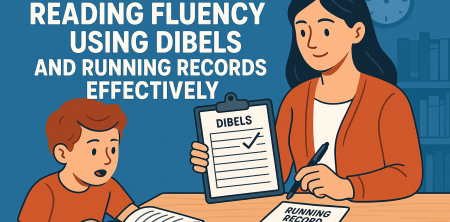
Reading fluency is a critical component of literacy that enables students to read smoothly and with comprehension. To accurately evaluate this skill, educators often turn to proven methods like DIBELS and Running Records. Understanding how to employ these assessments effectively can significantly enhance instructional strategies and improve student outcomes.
1. The Importance of Reading Fluency
Reading fluency is not just about speed; it encompasses speed, accuracy, and expression. Fluent readers can focus on understanding the content rather than decoding each word. Research indicates that fluency serves as a bridge between word recognition and comprehension. According to the National Reading Panel, students who achieve high levels of fluency are more likely to excel in reading comprehension tests.
The significance of reading fluency assessment cannot be overstated. It allows educators to identify students who may struggle, providing necessary data to tailor interventions. By assessing fluency, teachers gain insights into each student's reading ability, guiding them toward appropriate strategies for improvement.
2. What is DIBELS?
DIBELS, or Dynamic Indicators of Basic Early Literacy Skills, is a set of standardized measures designed to assess early literacy skills in students from kindergarten through sixth grade. DIBELS assessments focus on key components of reading, including phonemic awareness, phonics, fluency, vocabulary, and comprehension.
The primary aim of DIBELS is early identification of students at risk for reading difficulties. For example, the DIBELS Oral Reading Fluency (DORF) assessment gauges a student's fluency by having them read a grade-level passage aloud for one minute. The number of correctly read words is recorded, providing educators with a reliable benchmark for each child’s reading capabilities.
3. Understanding Running Records
Running Records are another effective tool for assessing reading fluency. Developed by educational researcher Marie Clay, Running Records allows teachers to track a student's reading behavior. This assessment tool typically involves the teacher listening to the student read a selected text and recording errors, self-corrections, and the overall flow of reading.
What sets Running Records apart is its qualitative nature. Not only does it measure the number of words read correctly, but it also provides insight into the student's reading strategies, such as how they handle unfamiliar words. This depth of information empowers educators to customize instruction, focusing on areas where students need the most support.
4. Administering DIBELS: Best Practices
To effectively administer DIBELS assessments, teachers should follow a structured approach. First, ensure that all students are familiar with the testing format by providing practice sessions. This acclimatization helps reduce anxiety and fosters a more accurate representation of each child’s true abilities.
Timing is crucial in DIBELS assessments. Educators should administer the Oral Reading Fluency assessment at least three times per year: at the beginning, middle, and end. This schedule not only tracks progress over time but also identifies students who may need additional support. Moreover, teachers should engage in ongoing professional development to understand the nuances of interpreting DIBELS data accurately.
5. Integrating Running Records into Classroom Practice
To make the most of Running Records, educators should incorporate them into regular classroom routines. Conducting Running Records periodically—ideally every few weeks—can provide valuable ongoing assessment data. This frequency allows teachers to monitor student growth and adapt instruction promptly.
After administering a Running Record, it’s essential to analyze the collected data. Look for patterns in the student’s reading behaviors, such as whether they use context clues effectively or struggle with specific phonetic skills. This analysis can guide instructional decisions and help target specific areas for improvement.
6. Combining DIBELS and Running Records
While DIBELS and Running Records are powerful tools on their own, combining the two can provide a comprehensive picture of a student's reading fluency. DIBELS assessments offer standardized data, while Running Records provide detailed insights into the reading process. By using both methods, educators can cross-validate findings and develop a richer understanding of student needs. (See: importance of reading fluency.)
For instance, a student who scores low on DIBELS may exhibit specific reading behaviors during a Running Record that explain the underlying issues. Perhaps they struggle with phonics but excel in comprehension when reading aloud. This dual approach allows educators to create tailored interventions, ensuring that each student receives the precise support they need.
7. Utilizing Data for Instructional Planning
The data gathered from both DIBELS and Running Records should inform instructional planning. Teachers can use this information to create targeted small-group interventions or differentiate instruction within the classroom. For example, if a group of students struggles with fluency, a teacher might implement guided reading sessions focusing on repeated readings to build confidence and speed.
Additionally, data can guide the selection of appropriate texts. If a student shows high comprehension but low fluency, providing them with texts slightly below their comprehension level can help build fluency skills without sacrificing engagement. Tailoring instruction based on assessment data is key to fostering growth in students' reading abilities.
8. The Role of Technology in Assessing Reading Fluency
Advancements in technology have made it possible to enhance reading fluency assessments. Digital platforms can streamline the administration of DIBELS and Running Records, allowing for quicker data collection and analysis. Some programs even provide immediate feedback, helping teachers adjust their instruction in real-time.
Furthermore, technology offers students interactive and engaging reading experiences. Educational apps that focus on reading fluency can supplement traditional assessments, providing additional practice opportunities. By leveraging technology, educators can create a holistic approach to reading fluency assessment that maximizes student engagement and learning outcomes.
9. Current Trends in Reading Fluency Assessment
As educational research evolves, so do the methods for assessing reading fluency. Recent trends emphasize the importance of formative assessments, which are designed to inform instruction rather than provide a final judgment of a student's abilities. Educators are increasingly using ongoing assessments to adapt teaching practices and respond to the dynamic needs of their students.
Additionally, a growing awareness of the diverse needs of learners is shaping how assessments are implemented. Culturally responsive assessments that consider students' backgrounds and experiences are gaining traction, ensuring that all students' reading abilities are accurately represented and supported. This trend is critical for fostering inclusivity in literacy instruction.
10. Conclusion: The Path Forward for Reading Fluency Assessment
Assessing reading fluency using DIBELS and Running Records provides a solid framework for understanding student progress and challenges. By employing these methods effectively, educators can create targeted interventions that promote reading success. As educators continue to refine their assessment strategies, embracing technology and recent trends will further enhance their ability to support all learners.
Ultimately, the goal is straightforward: to ensure that every child becomes a proficient reader. With a focused approach to reading fluency assessment, teachers can pave the way for a brighter future in literacy.
11. Deepening Understanding: The Connection Between Reading Fluency and Overall Literacy
Understanding reading fluency's role in overall literacy development is crucial for educators. Reading fluency influences not just how well students read, but also how they process information and comprehend texts. Studies have shown that students who read fluently often score higher on standardized tests, as their ability to read without struggling allows them to focus on comprehension rather than grappling with decoding words.
For instance, a study from the University of Oregon reported that fluent readers performed better on reading comprehension tests compared to their less fluent peers. This correlation underscores the need for effective reading fluency assessments, as they not only aid in identifying students who need help but also are predictive of future academic success.
12. Strategies to Improve Reading Fluency
There are various strategies educators can implement to improve reading fluency among students. Here are some effective methods:
- Repeated Reading: This technique involves having students read the same text multiple times until they reach a level of fluency where they can read it smoothly and with expression. This can be particularly effective for struggling readers.
- Choral Reading: In choral reading, students read along with a teacher or a recording. This shared experience builds confidence and helps students hear fluent reading, which they can then emulate.
- Partner Reading: Pairing students to read together allows them to support each other. They can take turns reading aloud, offering corrections, and discussing the text together.
- Using Technology: Software and apps designed for reading fluency can provide immediate feedback and help students practice in a non-threatening environment. These tools often motivate students to engage more with reading.
13. Reading Fluency Assessment: A Global Perspective
While DIBELS and Running Records are widely used in the United States, reading fluency assessment practices vary globally. In countries like Finland, where education systems prioritize holistic approaches, reading assessments often incorporate a broader understanding of literacy, including critical thinking and emotional responses to texts.
For example, in many Asian countries, reading fluency is assessed through standardized tests that focus heavily on speed and accuracy, often at the expense of comprehension. This highlights a crucial point: the need for a balanced approach that encompasses all aspects of literacy, not just the technical skills of reading. (See: reading fluency assessment.)
Countries like Canada and Australia are increasingly recognizing the importance of formative assessments similar to DIBELS and Running Records, integrating these into their curricula to better support diverse learners. This global perspective can provide insights for educators looking to enhance their own reading fluency assessment practices.
14. Frequently Asked Questions About Reading Fluency Assessment
What is the best age to begin assessing reading fluency?
Reading fluency assessments can begin as early as kindergarten. Early identification of students who struggle with fluency allows for timely intervention, which is vital for fostering reading skills.
How often should reading fluency assessments be conducted?
It's recommended that reading fluency assessments like DIBELS be conducted at least three times a year: at the beginning, middle, and end of the school year. More frequent assessments may be necessary for students who are struggling.
Can parents help with reading fluency at home?
Absolutely! Parents can support their children's reading fluency by engaging in shared reading, encouraging daily reading practice, and discussing texts together. Listening to children read aloud can also help parents provide constructive feedback.
What should educators do with the data from reading fluency assessments?
Data from reading fluency assessments should be used to inform instructional decisions. This includes identifying students who need additional support, grouping students for targeted interventions, and selecting texts that meet students' needs.
Are there specific texts that are best for improving reading fluency?
Texts that are engaging and appropriate for a student’s reading level are crucial for improving fluency. Books with repetitive phrases, rhythmic language, and engaging illustrations can motivate students and help them practice fluency without frustration.
How do cultural differences affect reading fluency assessment?
Cultural differences can affect both the content of reading materials and the assessment methods used. It's important for assessments to reflect students' backgrounds and experiences, ensuring they feel represented and engaged in their learning. Culturally responsive assessments can lead to more equitable literacy education.
15. Future Directions in Reading Fluency Assessment
Looking ahead, reading fluency assessments will likely continue evolving with advancements in educational research and technology. There may be a greater emphasis on personalized learning, where assessments adapt to each student’s unique reading profile.
Additionally, integrating social-emotional learning (SEL) with reading fluency assessments could provide valuable insights into how students’ emotional states impact their reading development. By focusing on the whole child, educators can create more supportive and effective literacy environments.
Ultimately, the future of reading fluency assessment will revolve around creating an inclusive, responsive framework that empowers all students to become confident, fluent readers.
16. The Impact of Socioeconomic Factors on Reading Fluency
Socioeconomic status (SES) can play a significant role in a child's reading development. Research has shown that students from low-income families often lag behind their peers in reading fluency and comprehension. This gap can be attributed to various factors, such as limited access to books, fewer literacy-rich environments, and less parental involvement in reading activities. (See: DIBELS and literacy skills.)
A study published in the journal "Child Development" found that children from families with higher SES had access to more reading materials and were more likely to engage in activities that promote literacy. This access leads to better reading fluency and, consequently, improved academic performance. Addressing these disparities through targeted interventions, such as providing resources to underprivileged schools or community programs, is essential to ensure all students have the opportunity to develop their reading skills.
17. Reading Fluency Across Different Languages
Reading fluency assessments are often tailored to specific languages, reflecting the unique phonetic and structural characteristics of each language. For instance, languages with a more transparent orthography, like Spanish, may allow for quicker development of reading fluency compared to languages with more complex spelling systems, like English.
In bilingual education contexts, where students are learning to read in two languages, educators face the challenge of assessing reading fluency in both languages. It's vital to ensure that assessments are culturally and linguistically appropriate to account for the nuances in language acquisition. Understanding how bilingualism impacts reading fluency can help educators develop more effective assessment strategies that cater to diverse learning environments.
18. Engaging the Community in Reading Fluency Initiatives
Community involvement can significantly enhance reading fluency initiatives in schools. Programs that encourage families and local organizations to participate in literacy activities can create a supportive environment for students. For example, hosting reading nights or book fairs can foster a community culture around reading.
Partnerships with local libraries or community centers can provide additional resources for students and families. These collaborations can offer workshops for parents on how to support their children's reading at home, thereby increasing parental engagement and promoting literacy outside the classroom. Engaging the community not only benefits students academically but also strengthens bonds between families and schools.
19. Assessing Reading Fluency in Special Education
For students with disabilities, reading fluency assessments may need to be adjusted to accommodate their individual needs. This can involve using alternative assessment methods or providing additional time and support during assessments. Educators should focus on creating an inclusive environment where all students feel supported in their literacy journey.
The use of assistive technology can also play a crucial role in supporting students with disabilities. Tools such as text-to-speech software or audiobooks can help students access grade-level texts, allowing them to practice reading fluency in ways that are tailored to their needs. By adapting assessments and instructional strategies, educators can ensure that every student has the opportunity to develop their reading fluency, regardless of their challenges.
20. Conclusion: Embracing a Comprehensive Approach to Reading Fluency Assessment
Reading fluency assessment is a vital component of effective literacy instruction that requires a multifaceted approach. By understanding the various tools available, such as DIBELS and Running Records, and recognizing the impact of socioeconomic factors, language differences, and community involvement, educators can take proactive steps to enhance their assessment practices.
Moreover, by integrating technology, fostering inclusive environments, and involving families and communities, we can create a supportive landscape for all learners. As we move forward, the focus should remain on empowering each student to become a confident, fluent reader, paving the way for a brighter academic future.
```
Trending Now
Frequently Asked Questions
What is reading fluency and why is it important?
Reading fluency is the ability to read smoothly, accurately, and with expression. It is crucial because it allows students to focus on understanding the text rather than just decoding words. High levels of fluency are linked to better reading comprehension, making it a vital component of literacy.
What are DIBELS assessments used for?
DIBELS, or Dynamic Indicators of Basic Early Literacy Skills, are standardized assessments used to evaluate early literacy skills in students from kindergarten to sixth grade. They help identify students at risk for reading difficulties by measuring phonemic awareness, phonics, fluency, vocabulary, and comprehension.
How do you conduct a Running Record?
To conduct a Running Record, a teacher listens to a student read a text aloud while recording errors, self-corrections, and fluency. This assessment provides insights into the student's reading strategies, accuracy, and comprehension, helping educators tailor instruction to meet individual needs.
What is the DIBELS Oral Reading Fluency assessment?
The DIBELS Oral Reading Fluency (DORF) assessment measures a student's fluency by having them read a grade-level passage aloud for one minute. The number of correctly read words is recorded, providing educators with a reliable benchmark of the student's reading abilities.
How can assessing reading fluency improve student outcomes?
Assessing reading fluency allows educators to identify struggling students and tailor interventions accordingly. By understanding each student's reading ability, teachers can implement targeted strategies that enhance fluency and comprehension, ultimately leading to improved literacy outcomes.
What did we miss? Let us know in the comments and join the conversation.

