```html
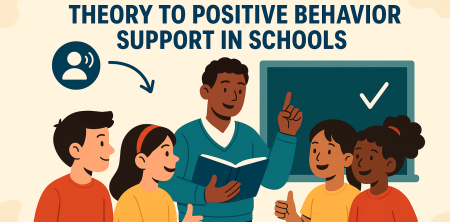
In today's educational landscape, the importance of fostering positive behavior in students has never been clearer. Schools are increasingly recognizing that teaching social skills and promoting positive behaviors are essential for creating a conducive learning environment. One approach that has gained traction is the application of social learning theory in education, particularly in the context of Positive Behavior Support (PBS). This article delves into how this theory can be effectively integrated into PBS initiatives to enhance student outcomes.
What is Social Learning Theory?
Introduced by Albert Bandura in the 1960s, social learning theory posits that behavior is learned through observation, imitation, and modeling. Bandura emphasized that learning occurs within a social context and that individuals can acquire new behaviors by watching others and the consequences of those behaviors. This theory highlights the significance of role models, which can include parents, teachers, peers, or media figures.
Central to social learning theory are the concepts of attention, retention, reproduction, and motivation. For instance, if students observe a peer being rewarded for helping others, they may be more inclined to exhibit similar positive behaviors, reinforcing a culture of kindness and support within the classroom. Understanding these mechanisms is critical when applying this theory to practical educational settings.
The Role of Positive Behavior Support
Positive Behavior Support is a proactive approach aimed at promoting positive behavior in students while preventing negative behaviors in educational settings. PBS is grounded in the idea that teaching and reinforcing appropriate behaviors can lead to a more positive school climate, improved academic outcomes, and reduced disciplinary issues.
Implemented through a tiered system, PBS combines universal, targeted, and individual interventions. Universal interventions address the entire school population, targeting positive behaviors such as respect, responsibility, and safety. Targeted interventions focus on small groups of students who may need additional support, while individualized interventions are tailored to meet the needs of specific students.
The integration of social learning theory into PBS provides a framework for effectively modeling, teaching, and reinforcing positive behaviors throughout these tiers. Understanding how students learn from one another can significantly enhance PBS strategies.
Linking Social Learning Theory to PBS
Linking social learning theory to PBS involves a few critical steps and strategies. First, educators can identify and model positive behaviors within the classroom. For example, when a teacher demonstrates conflict resolution skills, students are more likely to copy those techniques during their interactions with peers.
Second, providing opportunities for peer modeling can amplify the effectiveness of PBS. Students are often more influenced by their peers than adults, making student-led initiatives a valuable component of PBS. For instance, involving older students in mentoring younger students can foster a culture of respect and responsibility throughout the school.
Additionally, incorporating direct instruction on social skills is vital. Educators can use role-playing, group discussions, and peer feedback to help students practice and internalize the positive behaviors they observe.
Real-World Applications of Social Learning Theory in PBS
Many schools across the globe are already implementing social learning theory within their PBS frameworks. One remarkable example comes from a middle school in California where educators prioritized peer-based interventions. They established a program where students could earn rewards for not only demonstrating positive behaviors themselves but also for encouraging their friends to do so. (See: Social Learning Theory overview.)
The results were promising: a marked decrease in disciplinary referrals and an increase in overall student well-being. This success underscores the potential of integrating social learning theory into PBS approaches. When students are encouraged to support each other and model positive behaviors, it creates a domino effect that can elevate an entire school’s climate.
Challenges in Implementing Social Learning Theory in PBS
Despite the clear benefits, implementing social learning theory within PBS is not without its challenges. One significant hurdle is the variability in how students interpret and mimic behaviors. Some students may not fully understand the context of a behavior, leading to misinterpretation and potentially negative outcomes.
Moreover, there are often external factors influencing a student's behavior. Socioeconomic backgrounds, family dynamics, and community environments can significantly affect how students relate to models of behavior presented in school. Educators must be aware of these influences and work to create inclusive environments that cater to diverse needs.
Finally, there is the challenge of ensuring consistency among faculty members when modeling behaviors. If some teachers promote certain behaviors while others inadvertently model negative ones, it can create confusion among students about what is expected of them.
Strategies for Effective Implementation
To ensure that social learning theory is effectively applied within PBS frameworks, schools should focus on several key strategies:
- Training for Educators: Regular training sessions can help teachers understand how to incorporate social learning principles into their classroom management practices. This could include workshops on effective modeling techniques and strategies for fostering peer-to-peer interactions.
- Clear Behavioral Expectations: Establishing clear, consistent expectations for behavior can create a sense of security for students. When they know what is expected and see these behaviors modeled, they are more likely to internalize and practice them.
- Engagement of the School Community: Involving parents and community members can further reinforce positive behaviors outside of the school environment. Schools may organize workshops or events that engage families in discussions about behavior expectations and the importance of social learning.
- Feedback Systems: Implementing a system for tracking and providing feedback on student behaviors can help educators adjust their approaches based on real-time data. This adaptive method allows schools to tailor interventions more closely to student needs.
The Importance of Role Models
One of the most critical aspects of social learning theory is the role of models. In an educational setting, teachers and staff act as primary role models for students. Their behavior—how they interact with each other, how they handle conflicts, and how they celebrate successes—sets the tone for what students perceive as acceptable.
Research shows that students are more likely to imitate behaviors that they observe being rewarded. Therefore, it's essential for schools to not only highlight and reward positive behavior but also to ensure that the role models within the school are consistently demonstrating those behaviors. This might mean creating a recognition program that acknowledges not just individual students but also teachers who exemplify the school's core values.
Current Relevance in Education
The current educational climate emphasizes social-emotional learning (SEL), making the integration of social learning theory into PBS more relevant than ever. As educators increasingly recognize the importance of teaching students how to navigate their emotions and relationships, social learning theory provides a foundational framework for these lessons.
Additionally, in light of challenges posed by the COVID-19 pandemic—such as increased isolation, anxiety, and behavioral concerns—schools are looking for effective strategies to help students reintegrate and thrive. The principles of social learning theory offer valuable insights into how to create supportive environments that encourage positive behaviors and healthy social interactions.
Further Applications of Social Learning Theory
While many schools are making strides in implementing social learning theory within PBS, its applications extend beyond the classroom. After-school programs, sports teams, and community initiatives can also harness the principles of social learning. For instance, sports teams can use the idea of modeling teamwork and sportsmanship during practices and games. Coaches can reinforce positive behaviors not only through verbal affirmations but also by setting examples themselves, creating an environment where athletes learn from one another. (See: Positive Behavior Support in schools.)
Moreover, social learning theory can be integrated into online learning environments. As education increasingly moves toward digital platforms, the opportunity for students to observe and learn from their peers in virtual settings becomes crucial. Utilizing discussion forums, group projects, and collaborative tools can emulate the observational learning experience, providing students with real-time feedback and encouraging them to adopt positive behaviors within a digital context.
Statistics Supporting Social Learning Theory
Numerous studies underline the effectiveness of social learning theory in educational settings. For instance, a study conducted by the National Center for Education Statistics showed that schools implementing PBS frameworks saw a 30% reduction in behavioral incidents within the first year of implementation. Furthermore, research by the Collaborative for Academic, Social, and Emotional Learning (CASEL) indicates that students who participate in programs focused on social-emotional learning exhibit an 11% increase in academic performance compared to those who do not.
Additionally, surveys conducted among educators indicate that 88% believe that social learning practices contribute positively to a school’s overall climate. These statistics highlight the tangible benefits associated with integrating social learning theory into educational practices, reinforcing its importance within PBS frameworks.
Expert Perspectives
Education experts emphasize the necessity of integrating social learning theory within PBS. Dr. Angela Duckworth, a psychologist known for her research on grit and resilience, argues that “role models are crucial for developing grit in students. When they see their peers and teachers embodying persistence and resilience, they are more likely to adopt these behaviors.” Similarly, Dr. John Hattie’s research on visible learning underscores the importance of peer influence in education, noting that “students learn more effectively when they work collaboratively and observe their peers.” These insights from leading figures in educational psychology reinforce the idea that social learning theory is not just a theoretical construct, but a practical framework with real-world applications in enhancing student outcomes.
FAQs About Social Learning Theory in Education
What is the main premise of social learning theory?
The main premise of social learning theory is that individuals learn behaviors through observing others, particularly those they regard as role models. This includes imitating actions and understanding the consequences of those behaviors.
How can teachers implement social learning theory in their classrooms?
Teachers can implement social learning theory by modeling positive behaviors, providing opportunities for peer interactions, and using techniques such as role-playing and group activities to reinforce social skills.
What are some examples of positive behaviors to model?
Examples include effective communication, conflict resolution, kindness, teamwork, and perseverance. Teachers can demonstrate these behaviors in their interactions with students and colleagues.
How can parents support social learning at home?
Parents can support social learning by modeling positive behaviors, discussing the importance of empathy and respect, and encouraging their children to engage in collaborative activities with peers.
What challenges might schools face in applying social learning theory?
Challenges may include inconsistent modeling by staff, variability in students’ understanding of behaviors, and external factors such as socioeconomic status that may influence behavioral outcomes.
Additional Insights on Social Learning Theory in Education
As we consider the implications of social learning theory in education, it's essential to understand how it interacts with various educational philosophies. For instance, constructivism emphasizes that learners construct knowledge through their experiences and interactions. By integrating social learning theory with constructivist practices, educators can create environments where students actively participate in their learning by observing and modeling each other's behaviors.
This combination is particularly effective in collaborative learning scenarios, where students engage in group work, discussions, or peer assessments. Research shows that when students can observe and reflect on their peers' contributions, they gain a deeper understanding of the material and enhance their critical thinking skills. A 2021 study published in the Journal of Educational Psychology found that students who engaged in cooperative learning demonstrated significantly higher levels of academic achievement and motivation than those who learned individually.
The Role of Technology in Advancing Social Learning
In today's tech-savvy world, technology plays a pivotal role in facilitating social learning. Online platforms and social media can serve as powerful tools for modeling behaviors and fostering a sense of community among students. For instance, educational apps that promote collaborative projects allow students to work together remotely, sharing ideas and resources. These platforms can simulate classroom interactions, encouraging students to observe positive behaviors from peers in their digital interactions.
Furthermore, virtual reality (VR) and augmented reality (AR) technologies are emerging as innovative ways to enhance social learning experiences. These technologies can create immersive environments where students practice social skills in realistic scenarios without the fear of real-world consequences. For example, VR simulations can help students develop empathy by placing them in the shoes of others, allowing them to understand different perspectives and the impact of their actions.
Long-Term Benefits of Implementing Social Learning Theory
The long-term benefits of integrating social learning theory into educational practices are profound. Students who learn in environments that emphasize positive behaviors and role modeling develop strong social-emotional skills that extend beyond the classroom. These skills—such as empathy, cooperation, and resilience—are crucial for success in both personal and professional realms after graduation.
Furthermore, fostering a school culture rich in social learning can lead to improved student retention rates. Schools that prioritize social-emotional learning and positive behavioral supports tend to have lower dropout rates. A 2018 report from the Harvard Graduate School of Education highlighted that students who feel connected to their school community are significantly less likely to drop out and more likely to pursue higher education. This connection fosters a sense of belonging and encourages students to engage actively in their learning journey.
Conclusion: Building a Positive School Culture
Implementing social learning theory in education, particularly within the framework of Positive Behavior Support, offers a pathway to building a more positive school culture. By emphasizing observation, modeling, and reinforcement, educators can create environments where students feel safe, supported, and motivated to exhibit positive behaviors. The challenges may be significant, but the potential rewards—enhanced student relationships, improved academic performance, and a thriving school community—are well worth the effort. As more schools adopt these practices, the impact could be transformative, not just for individual students but for the educational system as a whole.
```
Trending Now
Frequently Asked Questions
What is social learning theory in education?
Social learning theory, introduced by Albert Bandura, posits that behavior is learned through observation, imitation, and modeling within a social context. In education, it emphasizes the role of role models, such as teachers and peers, in influencing students' behaviors, encouraging them to adopt positive behaviors by witnessing the rewards of such actions.
How does positive behavior support work in schools?
Positive Behavior Support (PBS) is a proactive approach aimed at promoting positive student behavior while preventing negative actions. It utilizes a tiered system of universal, targeted, and individual interventions to teach and reinforce appropriate behaviors, leading to a more positive school climate and improved academic outcomes.
What are the key components of social learning theory?
The key components of social learning theory include attention, retention, reproduction, and motivation. These elements explain how individuals learn behaviors by observing others, retaining that information, reproducing the behavior, and being motivated to act based on observed outcomes and rewards.
Why is teaching social skills important in schools?
Teaching social skills is crucial in schools as it fosters a conducive learning environment. By promoting positive behaviors and social interactions, students learn to collaborate, empathize, and resolve conflicts, which enhances their overall academic experience and personal development.
How can social learning theory enhance positive behavior support?
Integrating social learning theory into Positive Behavior Support enhances its effectiveness by utilizing observational learning. When students see peers rewarded for positive behaviors, they are more likely to emulate those actions, reinforcing a culture of kindness and support in the classroom and contributing to improved student outcomes.
What's your take on this? Share your thoughts in the comments below — we read every one.

