```html
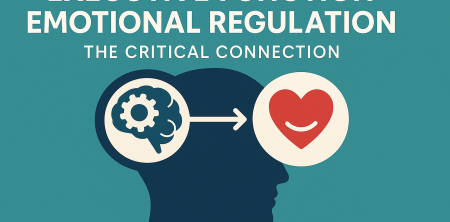
When we think about how we manage our emotional responses and decision-making processes, two terms often arise: executive function and emotional regulation. While they may sound like buzzwords thrown around in psychological discussions, understanding the connection between these two concepts is vital for both personal development and mental health. This article aims to explore that critical connection, providing insight into their definitions, implications, and practical applications.
Defining Executive Function and Emotional Regulation
At its core, executive function refers to a set of cognitive processes that enable individuals to plan, focus attention, remember instructions, and juggle multiple tasks successfully. Commonly associated with the prefrontal cortex of the brain, these skills are essential for managing day-to-day life. Executive functions include a variety of skills such as working memory, cognitive flexibility, and inhibitory control.
On the other hand, emotional regulation is the ability to monitor, evaluate, and modify emotional reactions in both positive and negative situations. It involves the strategies we use to handle our feelings and behaviors to achieve desired outcomes. While it might involve suppressing or enhancing emotions, effective emotional regulation leads to better psychological health and improved social interactions.
The Neuroscience Behind Executive Function and Emotional Regulation
Understanding how executive function and emotional regulation interact requires a look into the neuroscience behind these processes. Both functions are primarily governed by the prefrontal cortex, which plays a pivotal role in decision-making, impulse control, and emotional responses.
Neuroscientific research has shown that the amygdala, a brain region associated with emotion processing, engages with the prefrontal cortex during emotionally charged situations. When the prefrontal cortex functions optimally, it can effectively regulate emotional responses, enabling better decision-making. Conversely, when executive function is hindered, emotional dysregulation can occur, leading to impulsive actions and poor decision-making.
How Executive Function Impacts Emotional Regulation
There’s a direct relationship between executive function and emotional regulation. Consider the following examples:
- Working Memory: Effective emotional regulation often involves recalling past experiences and the emotions associated with them. If someone struggles with working memory, they may not be able to recall an effective coping mechanism that helped them during a similar situation in the past.
- Cognitive Flexibility: This skill allows individuals to adapt their emotional responses based on changing circumstances. For instance, if a child is upset because they lost a game, cognitive flexibility helps them reframe the situation and find enjoyment in playing again, rather than dwelling on the loss.
- Inhibitory Control: This function is crucial for resisting impulsive reactions. A person with strong inhibitory control can pause and think before acting out of anger or frustration, leading to more thoughtful emotional responses.
In essence, strong executive function capabilities enhance emotional regulation. Individuals who possess strong executive function are often better equipped to manage their emotions and vice versa.
The Development of Executive Function and Emotional Regulation
Executive function and emotional regulation do not exist in a vacuum; they develop over time and are influenced by various factors, including age, environment, and education.
During early childhood, these skills are still maturing. Young children often exhibit spontaneous emotional responses, and their executive function skills are limited. As children grow, they learn to navigate their social environments, which plays a significant role in developing both executive function and emotional regulation skills. For instance, children learn to share and take turns during play, which enhances their cognitive flexibility and impulse control.
Research indicates that children who have better executive function skills also tend to display better emotional regulation. Studies conducted by the National Institute of Health highlight that interventions aimed at improving executive function can also positively affect emotional regulation in children.
The Role of Environment and Parenting
One of the most significant factors influencing the development of executive function and emotional regulation is the environment, particularly the role of parenting. The way caregivers respond to a child’s emotions can either hinder or foster these skills. For example:
- Modeling Behavior: Parents who exhibit strong emotional regulation themselves serve as powerful role models for their children. When faced with challenges, children observe their parents managing their emotions and navigating those situations constructively.
- Encouragement: When parents encourage their children to express their feelings and discuss emotions openly, it promotes emotional literacy, which is essential for emotional regulation.
- Structured Environments: Providing a predictable and structured environment helps children feel secure, allowing them to practice their executive function skills without the anxiety that uncertainty often brings.
The bottom line is that a nurturing environment can significantly enhance both executive function and emotional regulation, setting the foundation for healthier emotional responses in adulthood. (See: Executive Function and Emotional Regulation.)
Strategies to Enhance Executive Function and Emotional Regulation
Whether in educational settings or at home, there are numerous strategies that can be employed to enhance executive function and emotional regulation. Here are some of the most effective approaches:
- Mindfulness Training: Teaching mindfulness techniques can significantly improve emotional regulation. Practices such as meditation help individuals become more aware of their emotions, allowing them to respond rather than react to emotional stimuli.
- Goal Setting: Encouraging goal-setting can enhance executive function. Breaking down large tasks into smaller, manageable goals helps individuals develop planning skills and working memory.
- Social-Emotional Learning (SEL): Programs focused on SEL in schools have shown success in helping students develop emotional regulation skills. By teaching children how to identify and understand their emotions, these programs empower them to manage their feelings effectively.
- Physical Activity: Regular exercise has been linked to improved executive function. Engaging in physical activity not only boosts cognitive skills but also helps regulate mood, making it easier to manage emotions.
Implementing these strategies can lead to significant improvements in both executive function and emotional regulation over time.
Current Relevance: The Impact of Technology and Social Media
In today’s digital age, technology and social media profoundly affect executive function and emotional regulation. With the constant stimulation from devices, many individuals struggle with attention and impulse control—two critical components of executive function. Additionally, social media can contribute to emotional dysregulation by exposing users to a barrage of emotions from others, which can be overwhelming.
Research indicates that excessive screen time can impair working memory and cognitive flexibility, which are essential for both executive function and emotional regulation. The challenge lies in finding a balance; while technology can be a tool for learning and connection, it can also serve as a double-edged sword.
Real-Life Examples and Case Studies
Various case studies illustrate the connection between executive function and emotional regulation in real-world contexts. For instance, consider a study involving children with ADHD, who often exhibit deficits in both areas. Researchers found that interventions focusing on improving executive function skills also led to better emotional responses among these children.
Similarly, in settings such as classrooms, teachers who incorporate emotional regulation practices—like providing students with strategies to pause and reflect before responding—reported improvements in student behavior and engagement. These examples highlight how enhancing executive function can directly influence emotional regulation, leading to more positive outcomes.
The Future: Research Directions and Implications
The ongoing exploration of the connection between executive function and emotional regulation holds significant implications for various fields, including education, mental health, and child development. Current research efforts aim to:
- Investigate long-term effects of emotional regulation interventions on executive function in various demographic groups.
- Examine the neurobiological substrates that underlie the connection between these two domains.
- Develop programs that combine cognitive and emotional training to provide holistic approaches for improving both executive function and emotional regulation.
As our understanding deepens, it will not only revolutionize educational practices but also foster healthier emotional and cognitive development among individuals of all ages.
Bridging Cultural Differences in Executive Function and Emotional Regulation
Understanding executive function and emotional regulation isn’t just a matter of cognitive development; it’s also influenced by cultural contexts. Different cultures have unique ways of expressing and managing emotions, which can impact the development of these skills.
For example, in collectivist cultures, emotional regulation might focus more on group harmony and social cohesion. In these environments, individuals may learn to suppress personal emotions for the sake of group dynamics. This can lead to different expressions of emotional regulation compared to individualistic cultures, where personal expression is often encouraged and celebrated.
Research shows that children in collectivist societies might develop strong inhibitory control because of the emphasis on community values. They learn that their emotional expressions can affect the group, which can enhance their executive functioning abilities in social situations. Conversely, children in individualistic cultures may develop better cognitive flexibility, adjusting their emotions based on personal preferences and desires.
By acknowledging these cultural differences, educators and parents can tailor their approaches to help children develop both executive function and emotional regulation skills that resonate with their cultural backgrounds.
Expert Perspectives on Executive Function and Emotional Regulation
Experts in psychology and education emphasize the importance of intertwining executive function and emotional regulation. Dr. Adele Diamond, a developmental cognitive neuroscientist, asserts that executive functions can be significantly improved through targeted exercises that also enhance emotional regulation. She advocates for educational programs that incorporate both cognitive and emotional learning. (See: The Role of Emotional Regulation.)
Dr. Daniel Goleman, known for his work on emotional intelligence, emphasizes that managing one's emotions is crucial for effective leadership and decision-making. He argues that those who can regulate their emotions tend to exhibit stronger executive functions, which are essential for personal and professional success.
Insights from these experts reveal that the future of education and mental health will likely focus on integrated approaches that foster both cognitive and emotional skills, ultimately leading to more well-rounded individuals.
Frequently Asked Questions
What is the difference between executive function and emotional regulation?
Executive function refers to cognitive processes that help in planning, attention, and task management, while emotional regulation involves managing emotional responses in various situations.
How can I improve my executive function skills?
Improving executive function can be achieved through strategies such as setting clear goals, practicing mindfulness, engaging in regular physical activity, and utilizing organizational tools like planners or apps.
Is emotional regulation a skill that can be learned? How?
Yes, emotional regulation is indeed a skill that can be learned. Techniques such as cognitive restructuring, mindfulness, and social-emotional learning programs can help individuals develop better emotional regulation strategies.
How do executive function and emotional regulation affect academic performance?
Both executive function and emotional regulation significantly influence academic performance. Students with better executive function can organize their work and manage time, while those with effective emotional regulation can handle stress and frustration, leading to improved learning outcomes.
What role does stress play in executive function and emotional regulation?
Stress can negatively impact both executive function and emotional regulation. High levels of stress can impair cognitive flexibility and working memory, making it harder to manage emotions and make decisions.
Can nutrition affect executive function and emotional regulation?
Absolutely! Nutrition plays a crucial role in brain health. Diets rich in omega-3 fatty acids, antioxidants, and vitamins can support cognitive function and emotional wellbeing. Conversely, excessive sugar and processed foods may contribute to mood swings and cognitive decline.
What are some practical exercises to boost executive function?
Simple exercises like memory games, puzzles, and activities that require planning—such as cooking a new recipe—can enhance executive function. Additionally, engaging in strategic games like chess or learning a musical instrument can also promote these skills.
What is the role of peer relationships in developing these skills?
Peer relationships play a significant role in the development of both executive function and emotional regulation. Positive social interactions can help children practice emotional responses, enhance their coping strategies, and improve their ability to navigate complex social situations.
How does age affect executive function and emotional regulation?
As individuals age, their executive function can improve, particularly during adolescence as the prefrontal cortex matures. However, older adults may experience declines in executive functioning due to cognitive aging, affecting their emotional regulation capabilities.
The Impact of Executive Function on Daily Life
Executive function and emotional regulation affect various aspects of daily life, including work performance, relationships, and overall well-being. Individuals with strong executive function skills are often better at managing their time, which can lead to less stress. For instance, a student who can prioritize assignments and manage their study time is likely to perform better academically and feel less overwhelmed.
In the workplace, employees with good executive function can pivot between tasks with ease, adapt to changing demands, and manage workplace relationships more effectively. Emotional regulation, on the other hand, allows individuals to handle workplace stressors and conflicts with composure, contributing to a more positive work environment.
Tailoring Approaches to Different Age Groups
It’s essential to tailor strategies for enhancing executive function and emotional regulation based on age groups. For young children, incorporating play-based learning that emphasizes turn-taking, sharing, and emotional expression can be highly beneficial. As children enter adolescence, more focus on decision-making, goal-setting, and peer interactions becomes critical.
In adults, approaches may involve stress management techniques, time management skills, and fostering resilience through targeted cognitive-behavioral strategies. By understanding the developmental context, parents, educators, and mental health professionals can provide more effective support.
The Interconnection: How Enhancing One Can Improve the Other
As we’ve established, executive function and emotional regulation are interlinked. Improving one often leads to better outcomes in the other. For example, a child who learns effective emotional regulation through therapy may find that they can concentrate better in school, enhancing their executive function. Similarly, a strong executive function can give individuals the tools needed to regulate their emotions more effectively, creating a virtuous cycle.
This interplay suggests that educational programs and therapeutic interventions should not isolate these skills but rather promote an integrated approach. Programs that combine lessons in emotional intelligence with cognitive training can create more comprehensive support systems for learners of all ages.
Conclusion: Bridging the Gap
The interplay between executive function and emotional regulation is intricate and vital for navigating life’s challenges. As we’ve discussed, enhancing one can positively affect the other, creating a powerful synergy that improves decision-making, emotional responses, and overall well-being.
By implementing strategies that support these skills, we can cultivate a generation that is not only academically proficient but also emotionally resilient. This approach will ultimately lead to healthier, more balanced lives, equipping individuals with the tools they need to thrive in a complex world.
```
Trending Now
- our breakdown of unlocking social skills: how social pragmatics role play transforms middle school learning
- our breakdown of why students with adhd struggle with pragmatic language skills: 7 key insights
- this guide on 7 pragmatics challenges english language learners face that every teacher must understand
- our breakdown of 9 essential strategies to boost pragmatic language development in preschool
- Unlocking Language: The Essential Differences Between Pragmatics, Semantics, and Syntax
Frequently Asked Questions
What is the relationship between executive function and emotional regulation?
Executive function and emotional regulation are interconnected cognitive processes. Executive function involves skills like planning and attention, while emotional regulation is the ability to manage emotional responses. Together, they influence decision-making and personal development, highlighting the importance of both in achieving psychological well-being.
How does executive function affect emotional regulation?
Executive function impacts emotional regulation by enabling individuals to control their impulses and make thoughtful decisions. When executive functions, governed by the prefrontal cortex, are functioning well, they help individuals effectively manage their emotions, leading to better social interactions and mental health.
What are the key components of executive function?
Key components of executive function include working memory, cognitive flexibility, and inhibitory control. These cognitive processes allow individuals to plan, focus, remember instructions, and handle multiple tasks, which are essential for effective emotional regulation and overall daily functioning.
What role does the prefrontal cortex play in emotional regulation?
The prefrontal cortex plays a critical role in emotional regulation by managing decision-making, impulse control, and emotional responses. It interacts with the amygdala during emotionally charged situations, helping individuals process emotions and respond appropriately, which is vital for mental health.
How can understanding executive function improve mental health?
Understanding executive function can improve mental health by providing insights into how cognitive processes influence emotional regulation and decision-making. By enhancing executive function skills, individuals can better manage their emotions, leading to improved psychological health and more effective coping strategies.
Have you experienced this yourself? We'd love to hear your story in the comments.

