```html
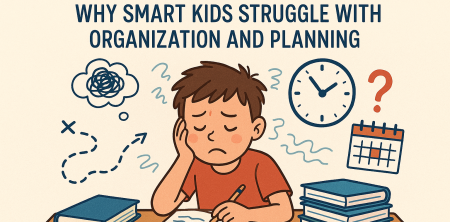
When you think of students who excel academically, you might picture those who are organized, responsible, and on top of their assignments. However, it may come as a surprise that many of the brightest students often struggle significantly with tasks like homework simply because of their executive function skills. This article dives deep into the relationship between executive function and homework, shedding light on why even the smartest kids can face challenges with organization and planning.
Understanding Executive Function
Executive function refers to the cognitive processes that help individuals manage themselves and their resources in order to achieve a goal. These skills include working memory, flexible thinking, and self-control. While you may not have heard the term "executive function" before, it's a crucial part of effective learning and daily living.
To break it down further, executive function is often categorized into three key areas:
- Inhibition: The ability to control impulses and resist distractions.
- Working Memory: The capacity to hold and manipulate information in the mind.
- Cognitive Flexibility: The skill to adapt thoughts and actions in response to changing situations.
These skills start developing in early childhood and continue to mature through adolescence and into early adulthood. However, some students, even those who are academically gifted, may find these skills challenging to master, significantly impacting their academic performance, particularly in areas like homework.
The Disconnect: Smart Kids and Homework Struggles
It’s often a perplexing scenario: a student who performs exceptionally well on tests can’t seem to complete or turn in homework assignments on time. The issue often lies in the disconnect between their intellectual abilities and their executive function skills. While they may grasp concepts quickly and excel in classroom discussions, the skills needed to plan, organize, and execute homework assignments may not be as developed.
Research indicates that children with strong intellectual capabilities may rely heavily on their innate gifts. They might not have learned effective strategies for breaking down assignments, managing their time, or maintaining focus—skills that are essential for completing homework successfully.
For instance, a student might fully understand a math problem during class but struggle to replicate that understanding at home due to issues with working memory or attention. They may forget critical steps or lose track of what they were doing, leading to frustration and incomplete assignments.
The Impact of Executive Function Difficulties
Executive function difficulties can manifest in various ways, affecting school performance and overall well-being. These challenges can lead to:
- Poor Organization: Students may have trouble keeping track of assignments, losing materials, or forgetting deadlines.
- Time Management Issues: Many students underestimate how long tasks will take, leading to last-minute cramming and poor-quality work.
- Difficulty Following Through: They may start assignments with enthusiasm but struggle to complete them, resulting in unfinished work.
- Inconsistent Performance: Academic performance may fluctuate widely, leading to a lack of confidence and motivation.
These difficulties can also lead to emotional repercussions. Students might feel overwhelmed, anxious, or defeated, which can further undermine their motivation to engage with homework and schoolwork. It's essential to recognize that these challenges are not a reflection of intelligence, but rather a mismatch between cognitive abilities and executive function skills.
Real-Life Examples of Executive Function Challenges
Let’s consider a few real-life scenarios that illustrate how executive function impacts homework. Take Sarah, for example: a bright high school student who excels in science but consistently fails to submit her assignments on time. Sarah's struggle primarily stems from her difficulty in organizing her workload and planning her study sessions effectively.
She might have the knowledge to complete her assignments but often forgets to write them down. When she does remember, she finds herself overwhelmed by the sheer volume of tasks, leading to procrastination. As a result, her grades reflect her incomplete assignments, causing her self-esteem to dip.
Similarly, consider Jason, a talented middle school student who excels in literature but finds it hard to manage his homework load. He spends hours writing an outstanding paper but often forgets to proofread or submit it. For students like Jason, the cognitive flexibility aspect of executive function is crucial; without it, they often struggle to adapt their strategies to meet various assignment requirements.
Why Traditional Teaching Methods Fall Short
Sadly, traditional teaching methods often do not account for the diversity of executive function skills among students, particularly bright ones. Most educational systems emphasize content mastery over the development of executive function skills, which can leave students unprepared when it comes to homework. (See: Executive Functioning Research Brief.)
For instance, a student might be assigned a lengthy project but given little guidance on how to break it down into manageable parts. Without explicit instruction on organization and planning, students may feel lost, leading to frustration and avoidance of homework altogether.
Moreover, teachers often assume that students will naturally develop these skills over time. In reality, many students may require structured support and explicit teaching to improve their executive function capabilities. This gap in understanding can exacerbate homework challenges for students who already struggle with these skills.
Strategies to Support Executive Function Skills
Fortunately, there are several strategies that parents and educators can implement to help students strengthen their executive function skills and succeed with homework:
- Model Organizational Skills: Demonstrate effective planning by breaking down tasks into smaller, more manageable components. Show students how to create to-do lists and use calendars effectively.
- Implement Routine: Establish a consistent homework routine that includes dedicated time and a distraction-free environment. Consistency helps students internalize organizational strategies.
- Use Visual Aids: Encourage the use of charts, graphs, or checklists to help students visualize their tasks and track their progress.
- Teach Time Management: Help students estimate how long tasks will take and teach them to break their workload into timed segments, such as the Pomodoro Technique, which involves working for 25 minutes and then taking a short break.
- Provide Feedback: Offer constructive feedback on homework assignments, focusing on the effort and process rather than just the final product. This encourages a growth mindset.
By incorporating these strategies, parents and teachers can play a significant role in enhancing a student's executive function skills, making homework less daunting and more manageable.
The Role of Technology
In this digital age, technology can serve as a powerful ally in supporting executive function and homework. Numerous tools and apps cater to various executive function challenges. For example, task management apps like Todoist or Trello allow students to keep track of assignments and deadlines visually, while calendar reminders can help them stay on schedule.
Additionally, apps designed for note-taking, such as Evernote or OneNote, can help students organize their study materials and strategies for different subjects efficiently. These tools can also assist those who struggle with working memory by providing a digital space to store and organize information.
However, it’s essential to strike a balance with technology. While it can be a helpful resource, over-reliance on digital tools can sometimes hinder the development of essential executive function skills. Encouraging students to use technology as a supplement to traditional planning and organization methods can yield the best results.
Collaboration Between Home and School
Effective communication between home and school is vital in supporting students with executive function challenges. Parents should keep in touch with teachers to discuss their child's strengths and areas for improvement. This collaboration can lead to tailored strategies that align with the student's needs both at home and in the classroom.
For instance, if a teacher notices a student struggling with homework organization, they can share strategies used in class with the parents. Together, they can reinforce these strategies at home, creating a consistent approach that enhances learning and supports executive function development.
Moreover, teachers can provide students with additional resources or accommodations, such as extended time for assignments or a structured homework planner, to help them succeed.
Current Research and Trends in Education
As awareness of executive function grows, educational researchers are increasingly exploring methods to enhance executive function skills within school curriculums. Recent studies suggest that explicit teaching of executive function strategies can lead to improved academic performance and overall well-being for students.
For example, programs targeting executive function skills are being integrated into curricula at various educational levels. These programs often combine direct instruction on organization and planning with practical exercises that allow students to practice these skills in real-life settings.
Furthermore, educational institutions are recognizing the importance of social-emotional learning (SEL), which often intersects with executive function development. By fostering an emotionally supportive environment, schools can help students feel more comfortable taking risks, seeking help, and managing stress—all of which contribute to overcoming homework challenges.
Integrating Executive Function Skills into Homework Assignments
One effective way to ensure that students develop their executive function skills is by integrating those skills directly into the homework assignments themselves. For instance, teachers can design assignments that require students to plan their approach, allocate time effectively, and reflect on their process after completion. This reflection can include questions like: (See: NIH on Executive Function and Learning.)
- What strategies did you use to organize your work?
- How did you manage your time?
- What challenges did you face, and how did you overcome them?
By building these reflective components into assignments, educators not only assess the final product but also encourage students to think critically about their learning processes. This fosters a deeper understanding of how they can improve their executive function skills over time.
Parental Involvement and Executive Function Development
Parents play an essential role in their child's development of executive function skills, especially in relation to homework. Engaging in discussions about homework can help students articulate their thoughts and reasoning, reinforcing their cognitive flexibility and working memory. For example, parents can ask guiding questions like:
- Can you explain your assignment to me?
- What steps do you think you should take first?
- How will you keep track of your progress on this project?
Additionally, creating a structured homework environment at home—like a designated study space free from distractions—can significantly improve a student's ability to focus and manage their work effectively. Parents should also be aware of their child's needs and adapt their involvement accordingly; some children may need more support, while others may thrive with greater independence.
Executive Function and Mental Health
The relationship between executive function and mental health is an area gaining traction in educational research. Students struggling with executive function often experience heightened levels of anxiety and stress, which can further impact their academic performance and overall well-being. Understanding this connection can help parents and educators create supportive environments that address both academic and emotional needs.
For instance, students who feel overwhelmed by the demands of homework may benefit from stress-reduction techniques that also align with improving executive function skills. Techniques such as mindfulness, meditation, or even simple breathing exercises can help students gain better control over their emotions and reactions while tackling their homework. Programs teaching these techniques are increasingly being implemented in schools, providing students with tools to manage their mental health effectively.
Working with Professional Support
For some students, executive function challenges may be severe enough that they require additional support from professionals. Educational psychologists, special education teachers, and counselors can offer tailored strategies and interventions designed to enhance a student's executive function skills. These professionals often conduct assessments and provide recommendations for modifications in both home and school settings.
For example, a psychologist might suggest a specific organizational system that caters to a student’s unique learning style or recommend accommodations such as extended time on assignments or tests. Collaboration with professionals can provide parents and teachers with actionable insights to better support students in their academic journey.
Frequently Asked Questions about Executive Function and Homework
What are executive function skills?
Executive function skills are a set of cognitive processes that help individuals manage their thoughts, actions, and emotions to achieve goals. These include skills related to working memory, flexible thinking, and impulse control.
How can I tell if my child struggles with executive function?
Signs of executive function struggles often manifest as organizational difficulties, trouble following through on tasks, inconsistent performance in school, and problems managing time effectively. If your child shows these patterns consistently, it might be worth exploring further.
Can executive function skills be improved?
Yes, executive function skills can be developed and strengthened with practice and the right strategies. Interventions may include explicit instruction, support from parents and teachers, and the use of technology to assist in organization and planning.
Are executive function difficulties related to learning disabilities?
While executive function difficulties can exist independently, they are often associated with various learning disabilities such as ADHD, dyslexia, and others. Understanding the relationship can inform effective interventions and support strategies.
How can technology aid in improving executive function skills?
Many apps and tools can help students with executive function challenges by providing organizational structures, reminders, and visual aids. However, it’s important to use these resources as supplements rather than replacements for developing foundational skills.
What role do teachers play in helping students with executive function challenges?
Teachers are crucial in identifying students who struggle with executive function and can provide structured support through tailored strategies and accommodations. By integrating executive function skills into the curriculum and homework assignments, educators can help students learn and apply these essential skills in real time.
How can mindfulness practices help with executive function?
Mindfulness practices can enhance executive function by improving self-regulation, focus, and attention. Simple techniques like mindful breathing, body scans, or guided imagery can help students manage stress and enhance their ability to engage with homework and learning activities.
Final Thoughts on Executive Function and Homework
Understanding the role of executive function in homework is crucial for both parents and educators. Recognizing that bright students can struggle with organization and planning challenges can guide the implementation of effective support strategies. By fostering executive function skills, we empower students not just to complete homework but to thrive academically and develop skills that will serve them well beyond their school years.
As we strive to create a supportive educational environment for all students, let’s remember that intelligence is just one piece of the puzzle. Equipping students with the executive function skills they need can make a world of difference in their academic journey and overall confidence.
Beyond the Classroom: Real-World Applications of Executive Function Skills
Executive function skills are not just limited to academic settings; they play a vital role in everyday life as well. From managing personal responsibilities to interacting with peers and navigating complex social situations, these skills are essential for success outside of the classroom. For instance, making plans with friends requires organization and time management, while managing personal finances demands impulse control and strategic planning.
Research indicates that individuals with strong executive function skills are often more successful in their careers and personal relationships. They tend to excel in environments that require problem-solving, teamwork, and adaptability. This reinforces the importance of developing these skills during childhood and adolescence, as they lay the groundwork for future success.
Encouraging Independence: The Balance Between Support and Autonomy
While it's crucial to support students in developing their executive function skills, it's equally important to encourage independence. Striking the right balance between guidance and autonomy can empower students to take responsibility for their learning and homework. Supporting autonomy means allowing students to make choices regarding their homework, set their own deadlines, and even determine how they will approach assignments.
Parents and educators can foster this independence by gradually reducing the level of support as students demonstrate increased capability. For example, instead of providing a detailed list of tasks for a project, teachers might encourage students to outline their own plans and goals. This encourages ownership over their work and helps them develop self-advocacy skills.
Networking and Peer Support Systems
Creating a network of support among peers can also significantly enhance executive function skills. Study groups or homework clubs can provide students with a collaborative environment where they can share challenges, strategies, and successes. This peer support can reduce the feelings of isolation that often accompany the struggles with executive function and homework.
Additionally, working together helps students learn from each other's strengths and weaknesses, further enhancing their own skills. For instance, a student who struggles with time management might benefit from working alongside a peer who excels in that area, while also offering their insights on other subjects. This collaborative learning fosters a sense of community and shared responsibility in tackling homework.
```
Trending Now
- our breakdown of “attachment parenting vs. attachment theory: understanding the important distinction”
- our breakdown of “how to use exit tickets as effective formative assessments”
- the complete explanation
- “The Bobo Doll Experiment Explained: What It Teaches About Aggression and Modeling”
Frequently Asked Questions
Why do smart kids struggle with homework?
Smart kids may excel in understanding concepts but struggle with homework due to challenges in executive function skills like organization, planning, and self-control. These cognitive processes impact their ability to manage assignments effectively, leading to incomplete or late submissions.
What is executive function in students?
Executive function refers to a set of cognitive processes that help students manage their thoughts, actions, and emotions to achieve goals. Key areas include inhibition, working memory, and cognitive flexibility, which are essential for effective learning and completing tasks like homework.
How does executive function affect academic performance?
Executive function significantly influences academic performance by impacting a student's ability to plan, organize, and execute tasks. Students with strong executive function skills are better equipped to manage their assignments, while those with weaknesses may struggle, even if they understand the material.
Can executive function skills be improved?
Yes, executive function skills can be improved through targeted strategies and interventions. Activities that promote organization, planning, and self-control can help students develop these crucial skills, leading to better homework completion and overall academic success.
What are the signs of weak executive function in children?
Signs of weak executive function in children include difficulty following through on tasks, poor organization, trouble managing time, and challenges with impulse control. These issues can manifest as incomplete homework or struggles to meet deadlines, even for academically capable students.
What did we miss? Let us know in the comments and join the conversation.

