```html
1. Current Economic Landscape: Understanding Germany's Growth Challenges
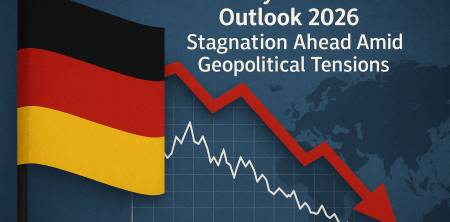
Germany, Europe's largest economy, is facing significant headwinds. Recent forecasts indicate that the economy is expected to grow by a mere 0.5% this year, a stark reduction from previous expectations. This downgrade is primarily attributed to the fallout from the ongoing conflict in Iran, which has reverberated throughout the global economy. The implications are troubling: stagnation risks are back on the table, and experts are bracing for potential long-term consequences.
As economic research institutes reevaluate their predictions, they now place Germany's GDP growth for 2026 within a narrow band of approximately 0.4% to 1.0%. This represents a concerning trend for a nation historically known for its robust economic performance. Given that Germany's GDP was reported at €4,470 billion in 2025, the implications of slowing growth can't be understated. The combination of geopolitical instability, inflation fears, and a broader slowdown in developed economies has created a perfect storm, raising alarms about the future of business confidence and employment.
2. Impact of Geopolitical Events: The Iran Conflict's Ripple Effects
The escalations in Iran have not only shaken regional stability but have also sent shockwaves through global markets. Germany, heavily reliant on international trade and energy imports, finds itself vulnerable to such geopolitical conflicts. The war has disrupted supply chains and increased energy prices, which are pivotal for Germany's industrial sector.
When examining the impact of the Iran conflict, it’s essential to recognize the direct correlation between geopolitical tensions and economic performance. The uncertainty surrounding oil supplies, for instance, leads to inflationary pressures that inhibit consumer spending. As inflation rates are projected to remain elevated between 2.2% and 3.0%, businesses and consumers are left grappling with tighter budgets, further complicating the economic recovery process.
Moreover, Germany’s dependency on Russian gas exposes it to further volatility, especially if sanctions tighten or if there are further escalations in the Middle East. Economic analysts predict that if the conflict in Iran persists, Germany may have to seek alternative energy sources more aggressively, potentially increasing investment in renewable energy, but at the same time risking further economic instability in the short term.
3. Inflation: A Persistent Threat: Navigating Rising Prices
Inflation remains a pressing concern in Germany, as it does in many parts of the world. The projections of inflation rates hovering between 2.2% and 3.0% signal a continued strain on purchasing power for German consumers. This persistent inflation is largely driven by supply chain disruptions, increased energy costs, and the residual effects of the COVID-19 pandemic.
For many households, the rising cost of living is a reality that cannot be ignored. As essential goods and services become more expensive, consumer confidence wanes. The German government faces the challenge of balancing measures to control inflation without stifling growth. Experts argue that maintaining economic stability will require a multifaceted approach, including monetary policy adjustments and strategic investments in key sectors.
Additionally, the European Central Bank's policies play a significant role in shaping inflation outcomes. If interest rates remain low for an extended period, it could exacerbate inflationary trends as easy credit encourages spending, leading to further price increases. Conversely, raising interest rates too quickly could stifle growth even more, creating a delicate balancing act for policymakers.
4. Long-Term Economic Projections: What the Future Holds for Germany
Looking beyond the immediate challenges, the long-term economic outlook for Germany raises questions. Analysts suggest that the country could be trapped in a cycle of low growth unless significant structural reforms are implemented. The projections for GDP growth remaining between 0.4% and 1.0% through 2026 underline the need for a strategic pivot.
Potential policy initiatives could include investing in renewable energy, enhancing digital infrastructure, and fostering innovation in technology sectors. By addressing these core areas, Germany could potentially revitalize its economic engine and set the stage for sustainable growth. However, achieving such transformation will require cooperation across both government and private sectors.
Moreover, experts emphasize the necessity of integrating sustainability into economic planning. As climate change becomes an increasing concern, Germany's commitment to sustainability could attract foreign investment, particularly in green technologies. Reports indicate that global investments in renewable energy are expected to increase significantly by 2026, and Germany could position itself as a leader in this arena. (See: Germany's economic challenges and forecasts.)
5. Unemployment Trends: Challenges in the Labor Market
As economic growth stagnates, the effects on employment are palpable. Germany has historically enjoyed low unemployment rates, but the current economic climate raises concerns about job security. A slow-growing economy often leads to hiring freezes and layoffs, which in turn diminish consumer spending and further stifle growth.
Moreover, with the added pressure of inflation, many workers may find their wages stagnating or not keeping pace with rising living costs. This dual challenge of a weak job market coupled with inflation could create a precarious situation for many households. Policymakers must be proactive in addressing these labor market challenges to prevent a spiral of economic decline.
Government initiatives to promote job creation, especially in emerging sectors such as tech and green energy, are crucial. For instance, the German government has introduced programs designed to upskill workers, ensuring that they are equipped to meet the demands of a changing economy. However, the effectiveness of these measures remains contingent on continuous investment and collaboration with the private sector.
6. Business Confidence: The Key to Economic Recovery
Business confidence is a critical indicator of economic health, and recent surveys suggest that uncertainty is weighing heavily on German enterprises. Companies are hesitant to invest in new projects or expand operations amid fears of ongoing geopolitical instability and inflation. This cautious approach can lead to a self-fulfilling prophecy of stagnation.
For the economy to regain momentum, fostering a renewed sense of confidence among businesses is essential. This could involve government incentives, support for innovation, and creating a stable regulatory environment. By alleviating concerns, businesses can feel empowered to invest, hire, and ultimately drive economic growth.
In addition, collaboration between large corporations and startups could spark innovation and lead to new business models. For instance, partnerships in technology development can create synergies that drive efficiency and competitiveness. Business leaders are increasingly recognizing the value of agility and adaptation in this volatile environment.
7. The Role of the Eurozone: Germany's Position in a Broader Context
Germany's economic fate is intrinsically linked to that of the Eurozone as a whole. As the largest economy in the Eurozone, Germany often sets the tone for economic policy and growth strategies across the region. However, the current situation underscores the interconnected nature of the Eurozone economies.
With several Eurozone countries also grappling with their own economic challenges, the potential for a broader recession looms large. A slowdown in Germany could have cascading effects on neighboring economies, exacerbating challenges in trade, investment, and employment. Therefore, coordinated efforts among Eurozone nations are crucial to mitigate risks and stimulate collective growth.
Recent discussions among Eurozone leaders have focused on implementing fiscal measures that can support economic recovery across member states. There’s a growing consensus that investment in infrastructure and digital transformation can provide the necessary impetus for revival. If Germany leads by example, it could set a collaborative tone for economic resilience across Europe.
8. Energy Transition: Opportunities Amid Challenges: Germany's Path Forward
One silver lining in the current economic outlook is Germany's commitment to transitioning toward renewable energy. While the immediate effects of global instability have been challenging, the long-term benefits of sustainable energy investments can position Germany as a leader in the green economy.
Investing in renewable energy not only addresses environmental concerns but also promotes job creation and economic revitalization in the energy sector. By prioritizing sustainable practices, Germany could not only mitigate some inflationary pressures tied to energy dependence but also set a precedent for other nations to follow.
Germany's ambitious goals for reducing greenhouse gas emissions by 55% by 2030 compared to 1990 levels, and achieving carbon neutrality by 2045, highlight its proactive stance. The government’s Green Deal, which aims to foster innovation in clean technologies, could lead to significant economic opportunities in the coming years. Reports suggest that the green economy could generate millions of jobs and attract billions in investment if pursued effectively. (See: Geopolitical tensions and economic impacts.)
9. Digital Transformation: A Critical Component of Growth
The digital transformation of Germany's economy is crucial for adapting to the new global landscape. With the rise of digital technologies, industries must evolve to remain competitive. Germany has invested heavily in digital infrastructure, yet it faces challenges in fully integrating these technologies across various sectors.
According to a recent study by the German Federal Ministry for Economic Affairs and Energy, more than 80% of companies recognize the importance of digital transformation. However, only about 56% have effectively implemented digital solutions. This gap highlights the need for more proactive measures to support businesses transitioning to digital platforms.
For example, Germany’s Digital Strategy 2025 aims to enhance broadband access and promote digital education in schools. This initiative is essential not just for economic growth, but also for ensuring that the workforce is equipped with necessary skills for tomorrow’s jobs. The rise of artificial intelligence, big data, and the Internet of Things offers immense opportunities for growth, but seizing these requires substantial investment and commitment from both public and private sectors.
10. Demographic Challenges: The Aging Population and Workforce Participation
Germany's demographic trends present another layer of complexity to its economic outlook. With an aging population and declining birth rates, the country faces potential labor shortages that could hinder economic growth. The workforce is projected to shrink significantly by 2026, putting pressure on social systems and productivity.
To counteract these trends, Germany must find ways to increase workforce participation among underrepresented groups. Initiatives aimed at encouraging more women and older workers to remain in the labor market could be beneficial. For instance, flexible working arrangements and retraining programs can help integrate these groups into the economy.
Moreover, immigration could serve as a critical solution to labor shortages. Germany has already opened its doors to skilled migrants, creating pathways for individuals in high-demand professions. By maintaining a welcoming stance towards immigration, Germany can help fill gaps in the labor market and stimulate economic growth.
11. Conclusion: Navigating Uncertain Waters: The Road Ahead
The Germany economic outlook for 2026 is fraught with challenges, but it is not without hope. As forecasts indicate a potential growth rate of only 0.4% to 1.0%, it’s vital for policymakers, businesses, and consumers alike to adapt and strategize in the face of uncertainty. Addressing inflation, fostering business confidence, and embracing the energy transition will be critical steps in navigating these turbulent economic waters.
Ultimately, while the road ahead may be rocky, Germany's resilience and capacity for innovation can serve as a foundation for recovery. The future, while uncertain, holds potential for a brighter economic landscape if proactive measures are embraced.
12. FAQs about Germany's Economic Outlook for 2026
What is the expected GDP growth for Germany in 2026?
Forecasts place Germany's GDP growth between 0.4% and 1.0% for 2026, indicating a slow recovery ahead.
How is inflation affecting the German economy?
Inflation is projected to stay elevated between 2.2% and 3.0%, straining purchasing power and diminishing consumer confidence. (See: Recent forecasts on Germany's GDP growth.)
What are the primary factors contributing to Germany's economic challenges?
The main contributors include geopolitical uncertainties, particularly the Iran conflict, rising energy prices, and supply chain disruptions stemming from the pandemic.
How important is business confidence for the recovery of the German economy?
Business confidence is crucial as it influences investment decisions. A positive outlook can stimulate growth, while uncertainty can lead to stagnation.
What initiatives might help Germany stabilize its economy?
Investments in renewable energy, enhanced digital infrastructure, and innovation in technology sectors are key initiatives that could stabilize and revitalize the economy.
How does Germany's economic situation impact the Eurozone?
Germany's economy is vital to the Eurozone, and its slowdown could have cascading effects on neighboring economies, impacting trade and investment across the region.
What role does the government play in addressing these economic challenges?
The German government can implement policies to control inflation, stimulate growth through public investment, and support job creation in emerging sectors.
Is there a potential for job growth amid the challenges?
Yes, particularly in sectors related to renewable energy and technology. Government initiatives aimed at upskilling the workforce could further enhance job opportunities.
What should consumers expect in the coming years?
Consumers may face continued challenges with rising prices and inflation, but potential government interventions and economic shifts could bring some relief over time.
```
Trending Now
Frequently Asked Questions
What is Germany's economic growth forecast for 2026?
Germany's GDP growth for 2026 is projected to be between 0.4% and 1.0%. This reflects a significant downgrade due to various economic challenges, including geopolitical tensions and inflationary pressures.
How are geopolitical tensions affecting Germany's economy?
Geopolitical tensions, particularly the conflict in Iran, have disrupted supply chains and increased energy prices, which are crucial for Germany's industrial sector. This instability has led to concerns about inflation and consumer spending.
What are the main challenges facing Germany's economy?
Germany's economy is currently facing challenges such as stagnation risks, inflation fears, and the impact of global geopolitical conflicts. These factors contribute to downgraded growth forecasts and affect business confidence and employment.
What is the current inflation rate in Germany?
Inflation rates in Germany are projected to remain elevated between 2.2% and 3.0%. This persistent inflation is influencing consumer behavior and overall economic performance.
What are the implications of Germany's slowing economic growth?
Slowing economic growth in Germany raises alarms about potential long-term consequences, including reduced business confidence and employment challenges. The country's historical reputation for robust economic performance is at risk.
Agree or disagree? Drop a comment and tell us what you think.

