```html
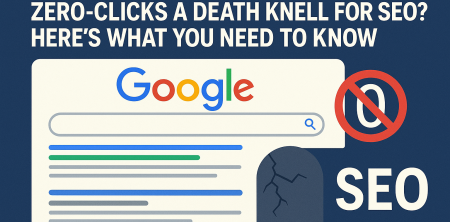
Recent data from Rand Fishkin, the co-founder of SparkToro, has brought to light a seismic shift in the world of Google search queries. In the first four months of 2026, an astonishing 68% of all U.S. Google searches ended without a single click, suggesting that Google is holding more user attention within its ecosystem than ever before. Alarmingly, only 232 out of every 1,000 searches resulted in traffic directed to the open web. This trend raises crucial questions for marketers, publishers, and anyone relying on search engine optimization (SEO) as a viable strategy.
The New Reality of Google Search
The traditional belief has been that Google serves primarily as a gateway to the rest of the internet. However, Fishkin's findings challenge this assumption, indicating that the reality is rapidly changing. Google has increasingly prioritized its own services, from featured snippets to information panels and shopping results, effectively capturing user attention within its platform. This has profound implications for online businesses that depend on organic traffic.
Understanding the Zero-Click Phenomenon
Zero-click searches occur when users get the information they need directly on the search results page without ever visiting a website. This is particularly common with queries that seek straightforward answers—think weather forecasts, definitions, or calculations. Google's algorithms are now better than ever at providing immediate answers, a shift that minimizes the necessity for users to click through to external sites.
Fishkin's data suggests that Google is not merely facilitating searches but is now actively shaping the search experience to retain users. If 68% of searches end without clicks, what does that mean for content creators and marketers? Quite simply, a majority of potential traffic is being siphoned off, and many digital strategies may need to be reevaluated.
Implications for Marketers and Publishers
For marketers, the implications of this trend could be profound. The reduction in organic traffic to websites necessitates an urgent reevaluation of SEO strategies. Many businesses have relied on organic search traffic as a cornerstone of their digital marketing efforts for years. With Google holding onto more user queries, how should marketers adapt?
Firstly, understanding the types of queries that lead to zero-click results is essential. Marketers will need to adjust their content strategies accordingly, focusing on creating high-quality, succinct, and informative content that might be favored by Google’s algorithms.
Shifts in SEO Strategy
As we acknowledge the shift in how Google search queries function, it's clear that SEO strategies must pivot. One approach is to prioritize featured snippets, as these often provide a direct answer to user queries. Marketers can optimize their content to appear in these coveted positions by structuring information clearly, utilizing bullet points, and ensuring that queries are answered directly in the content.
Additionally, understanding the importance of local SEO is crucial. With voice searches and local inquiries on the rise, businesses must optimize their presence in local search results. This includes maintaining accurate Google My Business listings, encouraging customer reviews, and ensuring that local keywords are incorporated into their content strategies.
Content Distribution and Measurement Challenges
The second major implication of this shift concerns content distribution and measurement. If traffic to websites decreases, businesses will need to find new ways to measure success. Traditional metrics, like organic traffic, may no longer be the best indicators of performance. Instead, marketers will need to explore other metrics such as brand awareness, customer engagement, and social shares.
Furthermore, content distribution may need to expand beyond just search engine optimization. Emphasizing social media platforms and email marketing campaigns could become pivotal, as these channels might provide more reliable avenues for reaching target audiences in the age of zero-click searches. (See: Overview of Google Search.)
Rethinking the User Experience
Given that Google is keeping users on its platform, businesses must focus on enhancing their own user experience. This includes optimizing website load speeds, improving mobile responsiveness, and creating engaging content that captures visitors' attention once they arrive at the site. If users come for a singular piece of information but leave with an engaging experience, they are more likely to return.
Moreover, providing additional value, such as in-depth guides, unique insights, or interactive tools, can entice users to visit and stay on your site. The goal should be to create a space that not only answers their questions but also keeps them coming back for more.
Future-Proofing Your Marketing Strategy
How can businesses future-proof their marketing strategies in the face of this new reality? The answer lies in adaptability. Marketers should continually monitor trends in user behavior and adjust their strategies accordingly. This means keeping a close eye on Google’s algorithm updates, understanding new features that may arise, and remaining agile enough to pivot when necessary.
Investing in analytics tools that provide insights into user behavior and traffic sources can help businesses gauge the effectiveness of their strategies. Additionally, marketers should not shy away from experimenting with new content types, such as video or interactive media, which may perform better in this new search landscape.
Expert Perspectives on the Shift
Industry experts are weighing in on the implications of Fishkin's data. Many agree that the trend toward zero-click searches is unlikely to reverse course anytime soon. Marie Haynes, an SEO expert, argues, "As Google continues to prioritize its own services, marketers must adapt their strategies and find new ways to capture audience attention. This isn’t just about SEO anymore; it’s a holistic approach to digital marketing that takes into account the many ways users interact with search engines."
Similarly, Neil Patel, a renowned digital marketing influencer, emphasizes the importance of a diversified approach. "Focusing solely on organic traffic may not be sustainable in the current landscape. Businesses need to explore alternative traffic sources and invest in brand-building efforts to truly thrive."
The Role of Innovation
Innovation will play a crucial role in adapting to these changes. As Google continues to evolve, businesses must think outside the box and experiment with new technologies and strategies. For instance, leveraging artificial intelligence for personalized content recommendations can help enhance user engagement and lead to higher conversion rates.
Brands that can innovate will have the best chance of standing out amidst the noise. Consider how enhancing your brand’s storytelling or utilizing augmented reality experiences can create a unique value proposition that draws users in.
Embracing Content Diversification
In this evolving environment, it’s essential for businesses to embrace content diversification. This means creating a variety of content types that cater to different user preferences and behaviors. For example, written articles and blogs can still play a significant role, but adding video content, podcasts, and interactive infographics can attract a wider audience. Research has shown that video content generates 1200% more shares than text and images combined, making it a powerful tool in your content marketing strategy.
Additionally, podcasts are on the rise, with over 50% of the U.S. population having listened to a podcast at least once. By tapping into these platforms, brands can build deeper connections with their audience, which are often more personal than traditional written content.
Statistics on Search Behavior
It’s worth diving into some statistics that highlight the changing dynamics of search behavior. According to a 2023 study by the Pew Research Center, 85% of adults have shifted to using either voice search or mobile search at least once a week. This shift indicates a growing reliance on convenience and speed, which zero-click results provide. Additionally, studies indicate that over 50% of consumers prefer to use search engines to find quick answers rather than browsing through multiple websites.
Furthermore, a report from SEMrush indicated that about 62% of search queries are informational in nature. This means that users are looking for answers rather than products or services, which aligns with the rise of zero-click searches. Understanding these behaviors allows marketers to create content that directly answers user questions, potentially earning those coveted featured snippets. (See: Impact of digital information access.)
Analyzing User Intent
User intent is critical to understanding how to craft your content strategy. There are generally three categories of user intent: informational, navigational, and transactional. Each category requires a distinct approach:
- Informational: These users are looking for answers or information. Optimizing for featured snippets, how-to guides, and FAQs can be particularly effective here.
- Navigational: Users with navigational intent seek a specific website, such as Google or Facebook. This type of search is less about SEO and more about brand recognition and online presence.
- Transactional: These users are ready to make a purchase. Ensuring your product pages are optimized for relevant keywords and providing clear calls to action can convert these visitors into customers.
By analyzing the intent behind Google search queries, businesses can tailor their content to better meet user needs, thereby increasing the likelihood of engagement and click-throughs.
Frequently Asked Questions (FAQ)
What are Google search queries?
Google search queries are the terms or phrases that users enter into the Google search engine to find information. They can range from simple keywords to complex questions.
What is a zero-click search?
A zero-click search occurs when a user receives the answer they were looking for directly on the search results page without clicking on any links. This often happens with informational queries.
How can businesses adapt to the increase in zero-click searches?
Businesses can adapt by focusing on optimizing their content for featured snippets, enhancing user experience on their websites, and diversifying their content types to cater to various user intents.
What types of content should I create for Google search queries?
Creating a mix of content types can be beneficial. Informative articles, how-to guides, video content, podcasts, and interactive infographics can all attract different segments of your audience. Make sure to address user intent in each piece.
Where can I find analytics to measure the effectiveness of my SEO strategy?
Google Analytics is a powerful tool for measuring various metrics related to website traffic and user behavior. Additionally, tools like SEMrush, Ahrefs, and Moz can provide insights into SEO performance and keyword rankings.
Is local SEO still relevant?
Absolutely! Local SEO remains crucial, especially for businesses that rely on nearby customers. Optimizing for local searches can help ensure that your business appears in relevant local queries, driving foot traffic and local engagement.
What are some emerging trends in Google search queries?
Emerging trends include an increased focus on voice search, the growing importance of local SEO, and the use of artificial intelligence in search results. As more users turn to voice assistants, optimizing for natural language queries will become essential.
Further Analysis of the Zero-Click Environment
The zero-click environment goes beyond mere statistics; it reflects a profound shift in user behavior and expectations. Users are now more accustomed to receiving immediate information, which has led to a change in how content must be presented. For instance, the rise of "how-to" videos on platforms like YouTube correlates with the growing demand for quick, digestible content. Brands that can create content that aligns with this trend are likely to see enhanced engagement and loyalty. (See: Zero-click searches and their implications.)
Comparing Strategies Across Industries
Different industries may react to the zero-click trend in varying ways. For example, e-commerce businesses might double down on local SEO to attract foot traffic, leveraging Google My Business more effectively. On the other hand, service-based industries may focus on producing authoritative content, such as guides or e-books, that positions them as leaders in their fields, even if that content doesn't directly lead to clicks.
Furthermore, industries like healthcare may prioritize creating trustworthy content that answers common questions about symptoms or treatments, thereby positioning themselves as reliable sources of information while adapting to the zero-click landscape.
Exploring the Future of Search Engines
Looking ahead, it’s essential to consider what the future holds for search engines. The landscape is rapidly evolving with advancements in artificial intelligence, machine learning, and even augmented reality. As search engines become even more sophisticated, they may begin to understand context and user preferences in a more nuanced way, providing results that are not only relevant but personalized. Businesses will need to stay ahead of these trends, embracing technology and analytics to refine their digital strategies continually.
Actionable Steps for Implementation
Now that we've explored the implications of these changes, what actionable steps can businesses take? Start by conducting an audit of your current content to identify areas that could be optimized for featured snippets. Engage your audience through social media by sharing quick tips or answers to common questions related to your industry. Experiment with different content formats, such as quizzes or polls, to see what resonates most with your audience.
Additionally, consider hosting webinars or live Q&A sessions to deepen connections with your audience while addressing their needs directly. This kind of interaction not only builds trust but also encourages repeat visits and engagement over time.
Final Thoughts on the Future of Google Search
The implications of Rand Fishkin’s findings are evident: the landscape of Google search queries is changing, and those changes are significant. While the challenges are substantial, they also present an opportunity for businesses to rethink their approach and innovate in ways they may not have considered.
Instead of viewing this shift as a threat, it could be an impetus for growth and creativity. By embracing change and focusing on the user experience, businesses can thrive in an environment that seems to favor the platform over individual publishers. As marketers, it’s time to adjust your sails and navigate these uncharted waters with resilience and creativity.
```
Trending Now
- read the full story
- The Essential Differences Between Pragmatics, Semantics,…
- Unlocking Communication: 7 Strategies for Supporting Pragmatic Language Development in Preschool
- Why Students with ADHD Are Struggling with Pragmatic Language Skills and What You Can Do About It
- 7 Essential Insights into Pragmatics Challenges…
Frequently Asked Questions
What are zero-click searches?
Zero-click searches occur when users find the information they need directly on the Google search results page without clicking any links. This trend has grown as Google provides immediate answers for queries like weather forecasts or definitions, reducing the need for users to visit external websites.
How does the shift to zero-click searches affect SEO?
The rise of zero-click searches poses a challenge for SEO as it limits the traffic directed to external websites. Marketers and content creators may need to adapt their strategies, focusing more on appearing in featured snippets and other Google services to maintain visibility and engagement.
Why are more searches ending without clicks?
According to recent data, 68% of U.S. Google searches ended without clicks due to Google's increasing emphasis on providing answers directly within its platform. This includes features like information panels and shopping results, which keep users engaged without redirecting them to other sites.
What implications does zero-click search have for online businesses?
Zero-click search significantly impacts online businesses that rely on organic traffic. With a growing percentage of searches resulting in no clicks, businesses may need to reevaluate their digital marketing strategies to ensure they remain visible and relevant in search results.
How can marketers adapt to the zero-click search trend?
Marketers can adapt to the zero-click search trend by optimizing content for featured snippets, using structured data, and focusing on providing concise, valuable information that aligns with common search queries. Engaging users directly within Google's ecosystem is becoming increasingly important.
Have you experienced this yourself? We'd love to hear your story in the comments.

