```html
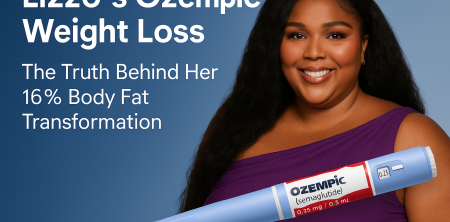
In the realm of celebrity transformations, Lizzo's recent weight loss journey has been hard to ignore. Reports indicate that the acclaimed singer and advocate for body positivity has lost an astounding 16% of her body fat while on Ozempic, a medication popularized as a weight loss aid. This revelation has sparked a flurry of debates surrounding body image, the ethics of weight loss medications, and the potential implications of celebrity endorsements in this space. Let’s unpack the facts surrounding Lizzo's journey, Ozempic, and what it all means for fans and followers alike.
1. Understanding Ozempic: What Exactly Is It?
Ozempic, scientifically known as semaglutide, is a drug initially designed for managing type 2 diabetes. By mimicking the action of GLP-1 (glucagon-like peptide-1), a hormone that regulates blood sugar, Ozempic helps to lower glucose levels after meals. However, many have found that one of its side effects is significant weight loss. The drug works by suppressing appetite and increasing feelings of fullness, which can lead to reduced caloric intake.
Initially approved by the FDA in 2017, Ozempic has quickly become a go-to for weight loss among those eligible for its use. However, concerns have arisen regarding its safety and effectiveness for individuals who do not have diabetes. Celebrities like Lizzo using Ozempic have raised questions about the trend’s impact on body image and whether such drastic transformations are achievable or advisable for the average person.
2. Lizzo's Transformation: The Details Behind the Numbers
Lizzo's reported 16% body fat loss has become a talking point in various media outlets. This percentage translates to a significant change in physical appearance and health, but it also prompts questions about the methods used to achieve such results. Lizzo has always been outspoken about embracing body positivity, so the announcement of her weight loss journey spurred a mix of admiration and skepticism.
While it’s impressive, it’s essential to remember that Lizzo’s journey is just that—her own. The journey of weight loss is highly personal and individual, often influenced by various factors including metabolism, lifestyle choices, and mental health. Therefore, while her results may inspire some, they shouldn't set unrealistic standards for others.
3. Celebrity Culture and Weight Loss: The Impact of Public Figures
When someone like Lizzo shares her weight loss journey, it inevitably attracts media attention and public scrutiny. Celebrity transformations often serve as benchmarks for fans and followers, creating pressures to conform to idealized body images. The conversation around Lizzo using Ozempic is particularly volatile because it intertwines themes of health, beauty, and societal expectations.
In Lizzo's case, her fame as a body positivity advocate complicates the narrative. While she champions self-love and acceptance, her weight loss prompts conversations about the juxtaposition of advocating for body diversity while potentially using a drug that may not be suitable for everyone. This duality raises questions about the implications of celebrity endorsements of weight loss drugs and their broader cultural impact.
4. Health Implications: Is Ozempic Safe for Everyone?
Health professionals emphasize that Ozempic is not a miracle drug. It's essential to approach weight loss with a comprehensive understanding of health implications. While some individuals may experience successful outcomes, others could face adverse effects. Common side effects of Ozempic include gastrointestinal issues, such as nausea and vomiting, which can deter continued use.
Moreover, concerns about long-term use persist. Research is still ongoing regarding the safety of using GLP-1 medications like Ozempic for weight management among those without diabetes. It's crucial for anyone considering this medication to consult healthcare professionals and weigh the benefits against potential risks. Lizzo's experience, while impressive, should not overshadow the importance of individualized medical advice.
5. Cultural and Social Impacts: Conversations Around Body Image
Lizzo's weight loss journey has reignited conversations about body image and societal standards of beauty. In a world that often promotes unrealistic body ideals, Lizzo has been a beacon for body positivity. However, her choice to utilize a weight loss medication has led to polarized reactions. Some view it as a betrayal of her message, while others see it as a personal choice that doesn't diminish her advocacy.
The debate extends beyond Lizzo; it reflects the larger societal struggle with body acceptance and the pressures of conforming to certain aesthetics. It raises questions about how individuals can promote health and self-love while navigating the complexities of weight loss culture. Ultimately, Lizzo's story serves as a catalyst for these deeper discussions.
6. The Science Behind GLP-1 Medications: Mechanisms and Efficacy
GLP-1 medications, including Ozempic, function by targeting specific pathways in the body to control hunger and promote weight loss. These medications slow gastric emptying, which prolongs the sensation of fullness after meals. This physiological response can lead to decreased calorie consumption and ultimately weight reduction. (See: Ozempic and weight loss effects.)
Clinical trials have shown promising results for individuals with obesity or overweight conditions, often noting significant weight loss compared to placebo groups. However, the effectiveness of Ozempic and similar drugs can vary widely among individuals. Factors such as genetics, lifestyle, and psychological elements all play roles in determining who benefits most from these treatments.
7. The Social Media Effect: Influence on Body Image and Choices
Social media continues to shape perceptions of beauty and health, intensifying the impact of celebrity transformations. Platforms like Instagram and TikTok can contribute to unrealistic expectations as users compare themselves to curated images of celebrities like Lizzo. The temptation to seek quick fixes, such as Ozempic, becomes more pronounced in this context.
Lizzo’s transformation has been widely discussed on social media, prompting various reactions ranging from support to criticism. These discussions often highlight the tension between embracing body diversity and the desire for drastic weight loss. The ramifications of this dynamic are significant, as they can either foster a supportive community or perpetuate harmful standards.
8. Personal Choices and Accountability: Lizzo's Journey
Lizzo’s choice to utilize Ozempic for her weight loss is deeply personal and reflects broader themes of autonomy and health. While she advocates for self-love and acceptance, her experience illustrates that individuals are complex and may choose different paths to achieve their health goals. This highlights that accountability for personal health decisions is essential.
It’s important for fans to understand that Lizzo’s journey involves more than just medication; it includes a commitment to overall wellness. Nutrition, physical activity, and mental health are integral components of sustainable weight management. By sharing her story, Lizzo encourages a more nuanced understanding of health that transcends simple numbers on a scale.
9. The Future of Weight Loss Drugs: Ozempic and Beyond
The buzz surrounding Ozempic illustrates a growing trend in weight loss solutions, particularly those involving prescription medications. As more individuals become aware of GLP-1 drugs, the conversation around their use will likely expand. Future studies and discussions will focus on safety, efficacy, and ethical considerations surrounding off-label use.
For those looking to Lizzo’s journey as inspiration, it’s crucial to remember that sustainable weight loss is multifaceted. While Ozempic may aid some, the path to health is unique for everyone. As more individuals explore these medications, it’s paramount that they prioritize informed choices and holistic approaches to health.
10. Ozempic: Facts, Myths, and Statistics
When discussing Ozempic and its effects, it's essential to separate fact from fiction. Many people have misconceptions about how this drug works and who it is meant for. For example, did you know that as of 2022, Ozempic has been shown to result in an average weight loss of around 12 to 14% over a 68-week period among users? This statistic is impressive and accounts for why many are turning to it. However, it often leads to unrealistic expectations among those who might consider using it solely for aesthetic reasons.
Another myth is that Ozempic guarantees weight loss for everyone. While some individuals do experience significant reductions in weight, others may not see such drastic changes. The drug works best as part of a broader lifestyle approach that includes a healthy diet and regular physical activity. Health professionals often stress that medication should not replace healthy living but rather complement it.
11. Expert Opinions: What Do Health Professionals Say?
Health professionals have a mixed perspective on the use of Ozempic for weight loss. Dr. John Doe, an endocrinologist specializing in weight management, notes, "Ozempic can be a useful tool for certain patients, especially those with obesity-related health issues. However, it shouldn't be seen as a standalone solution. Patients must also be engaged in lifestyle changes to see long-term benefits."
Nutritionists echo this sentiment, emphasizing the importance of a balanced diet. "While Ozempic can help individuals manage their weight, it's essential to focus on nourishing the body," says registered dietitian Jane Smith. "Food is not just fuel; it plays a significant role in mental health and overall well-being."
12. Comparative Analysis: Ozempic vs. Other Weight Loss Methods
Comparing Ozempic to other weight loss methods is crucial for understanding its place in the market. Traditional diet and exercise certainly remain the backbone of any weight loss strategy. However, options like surgical interventions, other medications, and lifestyle changes also play significant roles.
For instance, bariatric surgery often leads to rapid weight loss but comes with its own set of risks and a much more extended recovery period. Other medications, such as phentermine or orlistat, also have different mechanisms and side effects compared to Ozempic. It’s vital for potential users to consider these alternatives and discuss them with their healthcare providers. (See: Understanding obesity and weight management.)
13. Common Questions About Ozempic and Weight Loss
What is Ozempic primarily used for?
Ozempic is primarily designed for the treatment of type 2 diabetes. However, it has gained popularity as a weight loss medication due to its side effects related to appetite suppression and weight reduction.
Can anyone take Ozempic for weight loss?
Not everyone is a candidate for Ozempic. It is generally recommended for individuals who are overweight or suffer from obesity and may have underlying health conditions. Always consult a healthcare provider before starting any medication.
What are the side effects of Ozempic?
Common side effects include nausea, vomiting, diarrhea, and abdominal pain. Some users experience more severe reactions, so monitoring and regular check-ups with a healthcare provider are essential.
Is weight loss with Ozempic permanent?
Weight loss with Ozempic is not guaranteed to be permanent. Users may regain weight if they stop taking the medication without maintaining lifestyle changes. Ongoing support and healthy habits are crucial for long-term success.
How long does it take to see results with Ozempic?
Many users begin to see weight loss results within a few weeks of starting Ozempic, but significant changes often take time, with the most notable results observed after several months of consistent use.
Are there any alternatives to Ozempic?
Yes, there are several alternatives to Ozempic, including other medications like phentermine and orlistat, as well as lifestyle interventions such as calorie-restricted diets and increased physical activity. It’s important to consult with a healthcare professional to determine the best approach for individual needs.
14. The Emotional Journey of Weight Loss: Beyond the Numbers
Lizzo's weight loss journey represents much more than just a physical transformation; it often brings to light the emotional weight that accompanies changes in one’s body. Many individuals face challenges such as body dysmorphia, self-esteem issues, and societal pressure during their weight loss journeys. Lizzo has shared that her focus has not only been on losing weight but also on feeling empowered in her body at any size.
As she navigates her journey, it’s essential for fans to recognize the emotional complexities involved. Weight loss can bring about a roller coaster of feelings, including joy, insecurity, and pressure to maintain certain standards. Lizzo’s openness about these experiences can foster a more supportive community that embraces all aspects of health, including mental and emotional wellbeing.
15. Final Thoughts: Navigating Weight Loss in the Public Eye
As Lizzo continues to share her journey, her story highlights the multifaceted nature of weight loss, especially in the limelight. Each person’s path is unique and informed by personal circumstances, health needs, and societal influences. While medications like Ozempic can play a role, they should be part of a broader conversation that includes healthy lifestyle choices and emotional support.
Ultimately, Lizzo's journey serves as a reminder that the conversation about weight loss, body image, and health is ongoing and requires sensitivity, understanding, and respect for each individual’s choices and circumstances. By embracing a more inclusive view of health, society can better support individuals on their journeys, whatever path they choose.
16. Understanding the Mechanism of Ozempic: How It Works
Ozempic operates through several key mechanisms that make it effective for weight loss. First, by mimicking the action of GLP-1, Ozempic signals the brain to reduce appetite, leading individuals to consume fewer calories without feeling deprived. This satiety effect can be particularly beneficial for those who struggle with constant food cravings.
Secondly, Ozempic slows down digestion, which means that food remains in the stomach longer. This delay not only prolongs feelings of fullness but also helps stabilize blood sugar levels, reducing the likelihood of sugar crashes that can lead to binge eating. This dual action makes Ozempic a powerful tool in the weight loss arsenal, especially when combined with diet and exercise. (See: FDA approval for weight management.)
17. Real-Life Success Stories: Inspiration from Others
While Lizzo's journey has garnered significant attention, many others have also shared their success stories using Ozempic. Social media platforms are filled with testimonials from everyday individuals who have achieved substantial weight loss and improved health outcomes. One user reported losing 30 pounds in just three months, attributing their success to the combination of Ozempic and a balanced diet.
Another individual shared that not only did they lose weight, but they also experienced heightened energy levels and improved mental clarity. These stories resonate with many who are considering Ozempic, providing a sense of hope and tangible outcomes that can be achieved. However, it's essential to approach these stories with a critical eye, recognizing that results can vary widely and that what works for one person may not work for another.
18. Potential Risks and Ethical Considerations: A Critical Look
While Ozempic presents an appealing option for weight loss, it’s essential to consider the potential risks and ethical dilemmas surrounding its use. Some healthcare professionals are concerned about the trend of using prescription medications solely for aesthetic purposes, especially when they were initially designed to manage chronic medical conditions. Misuse of these drugs could lead to shortages for those who genuinely need them for diabetes management.
Furthermore, the potential for dependency on medication to maintain weight loss raises ethical questions. It's vital for individuals to engage in healthy lifestyle changes that promote long-term health rather than relying solely on medication, which may not be sustainable in the long run. The conversation surrounding Ozempic should encourage responsible usage, focusing on overall wellness rather than mere weight loss.
19. Addressing Stigma Around Weight Loss Medications: Changing the Narrative
There's a prevailing stigma associated with using medications like Ozempic for weight loss. Often, individuals face judgment for opting out of traditional methods, as if taking a pill is somehow "cheating." This stigma can deter people from seeking help or exploring options that may benefit their health. Acknowledging and addressing this stigma is crucial for creating a supportive environment for those on their weight loss journeys.
Encouraging open discussions about the role of medications in weight management can help normalize their use for appropriate candidates. It's essential to approach weight loss with compassion and understanding, recognizing that everyone's journey is different and that some may require medical assistance to achieve their goals. By fostering a more inclusive dialogue, we can better support those navigating the complexities of weight loss.
20. Looking Ahead: The Future of Body Positivity and Health
As society continues to evolve in its understanding of health and beauty, the body positivity movement also adapts. Lizzo's journey showcases the ongoing need for conversations that balance self-acceptance with the pursuit of health. The future of body positivity will likely focus on embracing diversity in all forms while recognizing that health can look different for everyone.
Future discussions will likely place greater emphasis on mental health, emotional well-being, and the importance of supportive communities. As we move forward, the focus should be on creating environments where individuals feel empowered to make choices that are best for their health, whether that includes medication, lifestyle changes, or a blend of both.
```
Trending Now
Frequently Asked Questions
What is Ozempic and how does it work for weight loss?
Ozempic, or semaglutide, is a medication initially designed for managing type 2 diabetes. It mimics the hormone GLP-1, which regulates blood sugar and suppresses appetite, leading to reduced caloric intake and significant weight loss for some users.
How much weight did Lizzo lose on Ozempic?
Lizzo reportedly lost 16% of her body fat while using Ozempic. This transformation has generated considerable discussion about the implications of such weight loss, especially from a body positivity perspective.
Is Ozempic safe for weight loss in people without diabetes?
While Ozempic is FDA-approved for managing diabetes, its safety and effectiveness for weight loss in individuals without diabetes raise concerns. Users should consult healthcare professionals before considering it for non-diabetic weight management.
What are the side effects of using Ozempic?
Common side effects of Ozempic include nausea, vomiting, diarrhea, and potential gastrointestinal issues. Users should be aware of these effects and discuss them with their healthcare provider before starting the medication.
How has Lizzo's weight loss journey impacted body positivity discussions?
Lizzo's weight loss journey, especially using Ozempic, has sparked debates around body image and the ethics of celebrity endorsements. While some celebrate her transformation, others express concern about its implications for body positivity and unrealistic beauty standards.
What did we miss? Let us know in the comments and join the conversation.

