```html
As educators, we often find ourselves at the intersection of language proficiency and cultural nuance, particularly when teaching English language learners (ELLs). Among the myriad components that construct the English language, semantics, syntax, and pragmatics form the foundation upon which communication stands. Understanding how to effectively impart these concepts can significantly enhance your students' ability to grasp and utilize English in real-world contexts.
The Importance of Semantics, Syntax, and Pragmatics
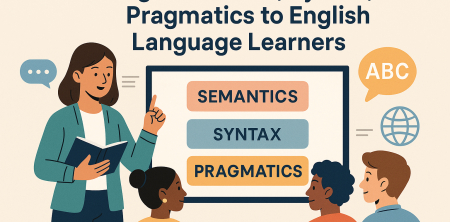
Before delving into the teaching strategies, it’s essential to define what semantics, syntax, and pragmatics mean in the context of language learning:
- Semantics refers to the meaning of words, phrases, and sentences. It’s crucial for ELLs to understand not just vocabulary but how those words come together to convey specific meanings.
- Syntax is the arrangement of words and phrases to create well-formed sentences. It helps learners construct grammatically correct statements and questions.
- Pragmatics involves the social aspects of language use, including context and intended meaning beyond the literal interpretation of words. This is vital for effective communication in various situations.
Understanding these concepts is crucial for ELLs, as they bridge the gap between language and its practical use in everyday life. Mastery of semantics, syntax, and pragmatics can affect their academic performance, social interactions, and even their confidence in using English.
Challenges Faced by English Language Learners
Teaching ELLs presents unique challenges that differ from those faced when instructing native speakers. For instance, language learners may struggle with conceptualizing meanings in a new language or may find it difficult to comprehend idiomatic expressions and cultural references.
The nuances of English as a language also pose challenges in the realm of syntax; the rules governing sentence structure can be drastically different from those of their native languages. Furthermore, pragmatics introduces a layer of complexity, as ELLs must learn when and how to apply language appropriately in various social contexts. The subtlety required in understanding tone, gestures, and facial expressions can affect ELLs' ability to engage meaningfully in conversations.
Effective Strategies for Teaching Semantics
When it comes to teaching English language learners about semantics, context is king. Here are some effective strategies to enhance semantic understanding:
- Visual Aids: Use images, flashcards, and videos to illustrate word meanings. For instance, showing a picture of a "dog" and a “cat” alongside the words can reinforce understanding.
- Word Maps: Encourage students to create word maps that connect a target vocabulary word with synonyms, antonyms, and related images. This approach helps deepen their comprehension.
- Contextual Learning: Provide examples of how words are used in different sentences. This not only shows the variety of meanings but also helps students learn how to choose the appropriate word for various contexts.
Incorporating these strategies can help ELLs develop a robust semantic network, allowing them to interpret and produce language more effectively.
Building Syntax Skills
Next, let’s turn our attention to syntax. Teaching sentence structure is crucial for ELLs to communicate clearly. Here are some strategies to consider:
- Sentence Scrambles: Provide students with jumbled sentences and have them rearrange the words to form correct sentences. This hands-on activity helps them recognize patterns in sentence structure.
- Sentence Frames: Offer sentence starters that guide students in constructing sentences. For instance, “I like to ___” can prompt them to fill in with their interests, fostering both syntax and vocabulary development.
- Interactive Grammar Exercises: Utilize online tools and apps that provide interactive grammar exercises. They offer immediate feedback, helping students learn from their mistakes.
By focusing on practical exercises and interactive learning, students can gain confidence in their syntactical abilities and feel more comfortable forming sentences on their own. (See: Understanding semantics in language.)
Understanding Pragmatics
Moving on to pragmatics, this area often trips up ELLs due to the subtleties inherent in language use. Here’s how you can facilitate pragmatic understanding:
- Role-Playing: Create scenarios typical of everyday life. Role-playing activities can help students practice language in context, such as ordering food at a restaurant or asking for directions.
- Contextual Discussions: Engage students in discussions about cultural norms and expectations in communication. For example, explain how politeness varies across cultures and what that looks like in English.
- Observation and Reflection: Encourage students to observe conversations in movies, TV shows, or real life. Follow this with discussions about the choices speakers made and why, helping students understand context and intention.
Understanding pragmatics is not only about language but also about navigating social interactions, and these strategies can provide ELLs with the tools they need to succeed.
Integrating All Three Components
While semantics, syntax, and pragmatics are often taught separately, integrating them can lead to a more holistic understanding of language. Here are some ways to achieve that:
- Thematic Units: Create lessons around specific themes, such as “Travel” or “Food.” Within these units, introduce vocabulary (semantics), sentence structures (syntax), and relevant social interactions (pragmatics).
- Project-Based Learning: Encourage students to work on group projects that require them to use language in meaningful contexts. This fosters collaboration and promotes the use of all three language components.
- Assessment Across Domains: Design assessments that evaluate students on all three aspects. For example, a writing assignment can assess semantic understanding through vocabulary usage, syntactical accuracy through grammar, and pragmatic application through context-appropriate language.
By blending these components, you provide students with a richer language-learning experience, equipping them for real-world use.
Current Relevance and Trends in Teaching
The landscape of education, especially in language instruction, is ever-evolving. Online platforms, virtual classrooms, and culturally responsive teaching methods have gained prominence. It’s crucial to stay updated on current trends that can enhance your teaching practices:
- Technology Integration: Utilize educational technology tools that support language learning. Platforms like Duolingo or Quizlet offer interactive ways to practice vocabulary and grammar.
- Multilingual Approaches: Recognize and leverage students’ native languages while teaching English. This could mean using bilingual resources or encouraging code-switching as a means of expression.
- Culturally Relevant Pedagogy: Align your teaching materials with students’ cultural backgrounds and lived experiences. This will not only engage them but also validate their identities.
Being mindful of these trends can help you create an inclusive and supportive learning environment for your ELLs.
Practical Insights for Classroom Implementation
Implementing the strategies discussed requires planning and creativity. Here are a few practical insights to ensure successful implementation:
- Create a Safe Environment: Foster a classroom atmosphere where making mistakes is welcomed and encouraged. This will help ELLs feel confident in practicing their language skills.
- Differentiate Instruction: Recognize that ELLs have varying language proficiencies. Tailor your instruction to meet the diverse needs of your students, providing additional support where necessary.
- Encourage Peer Interaction: Pair ELLs with native English speakers for collaborative tasks. This interaction can promote language learning and cultural exchange.
With these insights, you can make your classroom a hub for effective language learning, where ELLs thrive.
Understanding the Role of Culture in Language Learning
Culture plays a central role in language learning, particularly for ELLs. It shapes communication styles, values, and perspectives. As a teacher, it's crucial to incorporate cultural understanding into your lessons. Here’s how: (See: Importance of communication skills.)
- Celebrating Cultural Diversity: Organize events that allow students to share their cultural backgrounds. This could be through presentations, food fairs, or cultural days, fostering a sense of belonging and appreciation among students.
- Integrating Cultural Contexts: Use culturally relevant materials in your teaching. Books, songs, and videos from students’ cultures can make learning more relatable and meaningful.
- Teaching about Cultural Norms: Discuss the cultural norms that affect communication. For instance, in some cultures, direct eye contact is a sign of confidence, while in others, it may be seen as disrespectful. Addressing these differences can help ELLs navigate social situations more effectively.
Statistics on English Language Learners
Understanding the demographics and progress of ELLs can help tailor your teaching practices. Here are some relevant statistics:
- According to the National Center for Education Statistics, in the 2020-2021 school year, approximately 5 million students in the U.S. public school system were classified as ELLs.
- A report by the Migration Policy Institute shows that the number of ELLs in the U.S. has increased by over 50% in the last two decades, signaling a growing need for effective teaching strategies.
- Research indicates that ELLs who receive specific, targeted instruction in English language skills outperform their peers in both language acquisition and content knowledge.
These statistics highlight the importance of specialized teaching strategies for ELLs and the significant impact that effective instruction can have on their academic success.
Expert Perspectives on Teaching ELLs
Hearing from experts in the field can provide valuable insights into effective practices. Here are some perspectives from educators and researchers:
- Dr. Jim Cummins, a renowned researcher in the field of bilingual education, emphasizes the importance of developing both academic and conversational language skills in ELLs. He advocates for a dual approach that incorporates both forms of language in teaching.
- Dr. Patricia Kuhl, a leading researcher in language acquisition, notes that exposure to language in meaningful contexts is crucial for ELLs. She suggests immersive experiences that connect language learning with real-life scenarios to enhance understanding.
- Dr. Maria Montessori highlighted the importance of respecting each child's individual learning pace and cultural background, which is especially relevant in classrooms with diverse ELL populations.
FAQ: Teaching English Language Learners
What are the best practices for teaching ELLs?
Some effective practices include using visual aids, incorporating students' native languages, applying culturally relevant pedagogy, and providing opportunities for real-life language use through role-play and group activities.
How can I assess ELLs effectively?
Use a variety of assessment methods, including formative assessments, project-based evaluations, and language portfolios, to capture students' progress in all language skills: reading, writing, listening, and speaking.
What role do parents play in supporting ELLs?
Parents can significantly influence their children’s language learning by creating a supportive home environment, encouraging language practice, and participating in their children’s education through school events and meetings.
How can I motivate ELLs in the classroom?
Motivation can be enhanced through engaging lessons that connect language learning to students’ interests and experiences, as well as through positive reinforcement and a supportive classroom environment.
Common Misconceptions About ELLs
Understanding misconceptions surrounding ELLs can help teachers create a more supportive learning environment. Here are a few common myths: (See: Teaching English language learners.)
- Myth: ELLs are not as intelligent as native speakers. Reality: Intelligence is not defined by language proficiency. ELLs often bring rich cultural knowledge and diverse perspectives that enhance classroom discussions.
- Myth: Learning English is a one-size-fits-all process. Reality: Each learner's journey is unique, influenced by their background, age, and previous educational experiences. Tailoring your approach to individual needs is vital.
- Myth: ELLs will learn English quickly if exposed to it constantly. Reality: While immersion is beneficial, language acquisition requires structured teaching, emotional support, and understanding of cultural contexts.
By dispelling these myths, educators can foster a more inclusive and effective learning environment for ELLs.
Strategies for Supporting ELLs with Special Needs
ELLs with special needs face additional challenges, and tailored strategies can significantly enhance their learning experience:
- Collaborate with Special Education Teams: Work closely with special education professionals to create individualized education plans (IEPs) that address both language and learning needs.
- Use Multisensory Approaches: Incorporate visual, auditory, and kinesthetic learning opportunities to cater to diverse learning styles, which can be particularly beneficial for students with learning disabilities.
- Provide Clear Instructions: Use simplified language and clear, concise instructions. Visual supports or step-by-step guides can make tasks more manageable.
These strategies can help create a supportive environment where all ELLs, including those with special needs, can thrive.
The Long-Term Benefits of Supporting ELLs
Investing in the education of ELLs yields long-term advantages not only for the students but for society as a whole. Here are some benefits:
- Improved Academic Outcomes: Research shows that ELLs who receive effective language instruction are more likely to succeed academically across all subjects, leading to better job prospects in the future.
- Cultural Exchange and Understanding: ELLs enrich the classroom with diverse cultures and perspectives, fostering a learning environment that values diversity and promotes empathy among peers.
- Economic Contributions: As ELLs gain proficiency in English and complete their education, they contribute to the economy, filling vital roles in various sectors and driving innovation.
Support for ELLs is not just an educational imperative; it has implications for social cohesion and economic growth.
Conclusion: The Path Forward
Teaching semantics, syntax, and pragmatics to English language learners is a multifaceted endeavor that requires intentional strategies and a deep understanding of the learners’ needs. By focusing on these critical components and staying attuned to current educational trends, you will empower your students to become competent communicators. The journey may be challenging, but the rewards of witnessing your students flourish in their language abilities are immeasurable.
```
Trending Now
Frequently Asked Questions
What are semantics, syntax, and pragmatics in language learning?
Semantics refers to the meaning of words and sentences, syntax involves the arrangement of words to form grammatically correct sentences, and pragmatics deals with the social aspects of language use, including context and implied meanings. Understanding these concepts is vital for English language learners to effectively communicate.
Why are semantics, syntax, and pragmatics important for ELLs?
These components are crucial for English language learners as they help bridge the gap between language and its practical use. Mastery in semantics, syntax, and pragmatics enhances ELLs' academic performance, social interactions, and confidence in using English in everyday situations.
What challenges do English language learners face?
English language learners often struggle with conceptualizing meanings in English, understanding idiomatic expressions, and navigating the complexities of syntax. These challenges can differ significantly from those encountered by native speakers, making tailored teaching strategies essential.
How can educators effectively teach semantics to ELLs?
Educators can effectively teach semantics by using visual aids, context-based examples, and engaging activities that help students understand word meanings and their usage in different contexts. Incorporating real-life scenarios can significantly enhance comprehension.
What strategies can be used to teach syntax to English language learners?
To teach syntax, educators can use sentence-building exercises, graphic organizers, and interactive games that encourage learners to practice sentence structure. Providing clear examples and feedback helps reinforce grammatical rules and sentence formation.
What's your take on this? Share your thoughts in the comments below — we read every one.

