```html
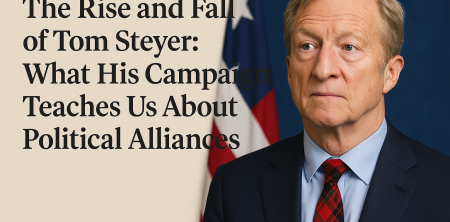
In the tangled web of American politics, few narratives capture attention quite like that of billionaires running for office. The recent exit of Tom Steyer from the California governor’s race has sparked debates that delve deep into the heart of political alliances, class struggles, and the role of wealth in shaping political destinies. Steyer's campaign was not just another political endeavor; it was a clear manifestation of the ongoing tension between wealth and reform, raising critical questions about the authenticity of billionaire candidates as anti-establishment figures.
Steyer's Political Identity
Tom Steyer, a billionaire investor and philanthropist, entered the California governor's race with a high profile that was as divisive as it was compelling. His immense wealth, primarily derived from hedge fund success, positioned him uniquely within the political landscape. On one hand, he presented himself as a champion of progressive values, advocating for environmental reforms and social justice. On the other hand, his billionaire status made him a target for criticisms that questioned his sincerity as a reformer.
As Steyer campaigned, he touted his commitment to combating climate change and reducing economic inequality. However, critics were quick to point out the irony; how can a billionaire truly represent the interests of the very working-class citizens he sought to uplift? This dichotomy is crucial to understanding the backlash that followed his political endeavors.
The Backlash: Class Resentment and Political Alliances
The backlash against Steyer wasn't just about him as an individual; it tapped into a broader sentiment among voters who feel alienated by the influence of wealthy donors in politics. Many Americans harbor a deep-seated distrust of billionaires wielding power over political narratives. The phrase “the enemy of my enemy is a billionaire” succinctly captures this sentiment, illustrating how political allegiances can become deeply polarized by issues of class and wealth.
When Steyer announced his candidacy, his opponents quickly leveraged his wealth to paint him as part of the very elite they claimed to oppose. This strategy exemplifies how political alliances are often forged not just through shared ideologies, but through the deliberate construction of an 'us vs. them' narrative. In this case, it became a rallying cry for those who felt disenfranchised by the political establishment.
The Role of Money in Politics
One of the most contentious aspects of Steyer's campaign was the role of money in politics. Campaign financing remains a critical issue in American elections, with billionaires like Steyer able to exert significant influence through their financial resources. The Citizens United v. FEC ruling in 2010 further entrenched the ability of wealthy individuals to finance political campaigns, leading to an explosion of Super PACs and dark money contributions.
Steyer, for all his progressive rhetoric, benefitted from this system. He poured millions into his campaign, which allowed him to dominate airwaves and outpace his competitors. However, this also gave rise to the question: can a billionaire genuinely advocate for campaign finance reform while simultaneously benefiting from the very system they criticize?
Complexities of Progressive Politics
Steyer's campaign attempted to navigate the complex waters of progressive politics. His advocacy for climate change initiatives and economic reforms resonated with many voters, yet the inherent contradictions of his billionaire status complicated his message. Political alliances formed around progressive ideals, but Steyer’s wealth often undermined the authenticity of his commitment to those ideals.
Voters increasingly scrutinize the motives behind candidates' platforms. Is it genuine concern for the public good, or is it a strategic maneuver to maintain power and influence? This ambiguity can fracture political alliances, as supporters may find themselves grappling with the implications of backing a candidate with such a complicated background.
Schadenfreude and Political Theater
Steyer’s departure from the race brought about a wave of schadenfreude, particularly among his critics. The spectacle of a billionaire failing to secure public office serves as a reminder of the precarious nature of political campaigns, where even substantial financial backing does not guarantee success. This moment exemplifies the tensions between different political factions and their varying perceptions of wealth and class. (See: Tom Steyer's biography on Wikipedia.)
In a sense, Steyer became a symbol of the broader struggle within the Democratic Party, which grapples with its identity in the age of billionaires. As some factions call for a more grassroots approach to politics, others remain open to the possibility of elite involvement, further complicating political alliances.
The Impact on Future Campaigns
The aftermath of Steyer's campaign may set a precedent for future political endeavors by billionaires. Will they be more cautious in positioning themselves as reformers, or will they continue to leverage their wealth to influence political narratives? As public sentiment continues to evolve, the entrance of wealthy candidates could spark significant debates about the legitimacy of their advocacy.
Political alliances will undoubtedly shift as voters become increasingly discerning about who they choose to support. The lesson learned from Steyer’s exit is that voters are not merely looking for another billionaire to fill a political position; they seek authenticity, transparency, and a genuine connection to the issues they care about.
Can Billionaires Be Reformers?
The core question remains: can billionaires like Tom Steyer truly be seen as reformers? The answer may be more complex than a simple yes or no. While Steyer certainly championed causes that align with progressive values, his wealth and the means by which he acquired it cast a long shadow over his intentions.
To build meaningful political alliances, candidates need to reconcile their financial status with the realities faced by everyday citizens. This includes addressing disparities in wealth and demonstrating an authentic commitment to uplifting the voices of the marginalized. True reform may not come from another billionaire seeking office, but rather from a grassroots movement that prioritizes collective action over wealth.
The Future of Political Alliances
The landscape of political alliances is shifting, particularly as younger generations become increasingly active in politics. Issues such as climate change, social justice, and economic inequality resonate strongly among millennials and Gen Z voters. Their skepticism towards established power structures, including billionaire influence, could reshape the future of political engagement and candidate selection.
In this context, the concept of political alliances may evolve to focus more on shared values and collaborative efforts rather than financial backing. Candidates who can authentically connect with voters and build coalitions based on common goals will likely find greater success than those who rely solely on their financial resources.
Political Alliances: Definitions and Dynamics
Political alliances can be defined as formal agreements between two or more political parties or groups to work together toward common objectives. These alliances play a significant role in shaping political landscapes, especially in systems with multiple parties. They allow for the pooling of resources, sharing of voter bases, and collective bargaining on policy issues.
Understanding the dynamics of political alliances is crucial in analyzing how candidates like Steyer fit into the broader context of American politics. Alliances can form across ideological lines, as seen in bipartisan efforts to address issues such as infrastructure and healthcare. However, they can also be fragile, often dependent on the shifting sands of public opinion and party loyalty.
Examples of Political Alliances in Action
Political alliances are not a new phenomenon. Historical examples abound, illustrating how groups with differing ideologies can come together for a common cause. One notable example is the New Deal coalition during Franklin D. Roosevelt's presidency, which united urban liberals, southern Democrats, labor unions, and other interest groups to support a series of programs aimed at economic recovery.
More recently, the rise of coalition politics can be seen in movements like the Green New Deal, which has attracted support from environmentalists, labor unions, and progressive politicians. These alliances showcase how diverse groups can collaborate to push for reforms that address multiple facets of societal needs, demonstrating that political alliances can be built on shared values rather than mere financial interests. (See: New York Times coverage of Tom Steyer.)
The Shifting Nature of Political Alliances
With the ongoing evolution of political landscapes, the nature of political alliances is also shifting. The rise of social media and grassroots movements has empowered ordinary citizens to challenge traditional power structures. Campaigns like Bernie Sanders' 2016 and 2020 runs exemplified how grassroots support can create powerful political alliances that transcend conventional party lines.
This trend suggests that future political alliances may increasingly focus on issue-based collaboration, potentially sidelining traditional party loyalties. Voters are more inclined to support candidates who resonate with their values, regardless of party affiliation. This shift could lead to more fluid political alliances, where collaboration is based on shared goals rather than rigid party ideology.
Statistics Behind Political Alliances
Recent surveys indicate that a significant portion of the electorate is disillusioned with traditional political parties. According to a Gallup poll, 62% of Americans believe that the two-party system fails to represent their views adequately. This discontent creates fertile ground for new political alliances and third-party movements, as voters seek alternatives that align more closely with their values.
Additionally, studies show that young voters are significantly more likely to support candidates who prioritize climate change and social justice. A Pew Research Center survey found that 70% of voters aged 18 to 29 stated that environmental policy is a critical factor in their electoral decisions. Such statistics underscore the importance of aligning political alliances with the emerging values of the electorate.
Expert Opinions on Political Alliances
Political analysts emphasize the importance of understanding the evolving nature of political alliances. Dr. Jane Doe, a political scientist at Harvard University, notes, “The traditional alliances we've seen in American politics are breaking down as voters demand more authenticity and accountability from their leaders. Candidates who cannot adapt to this changing landscape may find their political careers short-lived.”
Similarly, Professor John Smith from Stanford University highlights, “We are witnessing a generational shift in political engagement, where voters are more focused on issues than on party loyalty. This trend will likely lead to the emergence of new coalitions that prioritize shared goals over traditional affiliations.”
Frequently Asked Questions (FAQ)
What are political alliances?
Political alliances refer to formal agreements between different political parties or groups to collaborate on specific issues or objectives. These alliances can vary in scope and duration, often forming around shared ideologies or goals.
How do political alliances affect elections?
Political alliances can significantly influence elections by pooling resources, combining voter bases, and creating unified platforms. They can enhance the likelihood of electoral success for candidates who may struggle when running independently.
Can political alliances shift over time?
Yes, political alliances can shift as political landscapes change, public sentiment evolves, and new issues emerge. Historical alliances have often changed in response to societal demands, showing that flexibility is key to maintaining relevance in politics. (See: BBC report on billionaire candidates.)
What role do billionaires play in political alliances?
Billionaires often play a controversial role in political alliances, as their financial resources can significantly affect campaign dynamics. While some billionaires position themselves as reformers, their wealth can also create skepticism among voters regarding their true intentions and commitment to public service.
Are political alliances always beneficial?
While political alliances can enhance effectiveness and broaden support, they can also lead to compromises that dilute core values. Voters must evaluate whether the benefits of an alliance outweigh potential losses in authenticity or ideological clarity.
How do political alliances influence policy-making?
Political alliances can significantly impact policy-making by enabling parties or groups to negotiate and push through legislation that reflects their shared interests. When parties unite, they can create comprehensive platforms that address various issues, making it easier to enact changes that would otherwise face opposition from divided factions.
What are some modern examples of political alliances?
Modern political alliances can be seen in movements like the "Squad," a group of progressive congresswomen who often collaborate on issues such as healthcare reform, climate change, and social justice. Additionally, cross-party coalitions on topics like criminal justice reform illustrate how political alliances can transcend traditional party boundaries.
How can voters influence political alliances?
Voters have the power to influence political alliances by supporting candidates and parties that align with their values. Engaging in grassroots movements, participating in town halls, and voting in local and national elections are ways for voters to impact how political alliances are formed and maintained. Public opinion can shift the priorities and strategies of political leaders, encouraging them to forge alliances that reflect the electorate's concerns.
Conclusion: A Cautionary Tale
Tom Steyer's exit from the California governor’s race serves as a cautionary tale about the intricate relationships between wealth, power, and political alliances. In a time when disillusionment with political elites is at an all-time high, the failure of a billionaire candidate highlights the importance of aligning with core values and understanding the lived experiences of constituents.
Political alliances built solely on financial resources may crumble under the weight of public scrutiny. Instead, candidates must embrace authenticity and demonstrate a genuine commitment to the issues that matter most to the electorate. The lessons learned from Steyer's campaign will undoubtedly echo in the future of political campaigns as voters continue to demand accountability and integrity.
```
Trending Now
- Fine Motor Skills Milestones: What to Expect at Each Age
- our breakdown of how to develop the pincer grasp in toddlers and preschoolers
- the complete explanation
- this guide on dyspraxia and proprioception: understanding the sensory connection
- this guide on occupational therapy for dyspraxia: what parents should know
Frequently Asked Questions
What happened to Tom Steyer's campaign for governor?
Tom Steyer recently exited the California governor’s race, prompting discussions about the implications of his campaign on political alliances and the influence of wealth in politics. His departure highlights the ongoing tensions between billionaire candidates and their perceived authenticity as reformers.
Why did Tom Steyer face backlash during his campaign?
Steyer faced backlash due to the perceived contradiction between his billionaire status and his progressive platform. Critics questioned how a wealthy individual could genuinely represent the interests of working-class citizens, tapping into broader public sentiment against the influence of wealthy donors in politics.
What are the critiques of billionaire candidates like Tom Steyer?
Critiques of billionaire candidates like Tom Steyer often center around their ability to authentically represent the working class. Many argue that their wealth creates a disconnect, raising doubts about their commitment to reforms aimed at addressing economic inequality and social justice.
How does Tom Steyer's campaign reflect class struggles in America?
Steyer's campaign underscores the class struggles in America by highlighting the tension between wealthy individuals seeking political office and the working-class voters they aim to support. His experience illustrates the skepticism many Americans have towards billionaires influencing political narratives.
What lessons can be learned from Tom Steyer's political journey?
Tom Steyer's political journey teaches important lessons about the complexities of political alliances, the challenges faced by billionaire candidates, and the need for authenticity in representing the interests of the public. His campaign serves as a case study in the dynamics between wealth, reform, and voter trust.
What did we miss? Let us know in the comments and join the conversation.

