```html
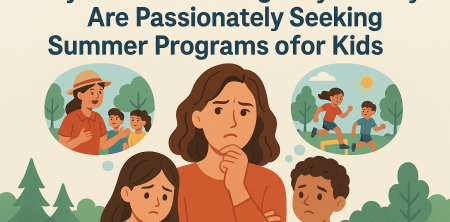
Summer is a magical time for kids, filled with sunshine, adventures, and opportunities for learning outside the classroom. However, for many parents in Allegheny County, the search for suitable summer programs for kids can often feel like a balancing act between satisfaction and accessibility. A recent study highlighted that while parents are generally pleased with the programs available, significant barriers still stand in the way of achieving a comprehensive summer experience for their children.
The Landscape of Summer Programs
In Allegheny County, summer programs for kids have become a staple in family planning. From arts and crafts to sports and science, these programs promise enrichment that extends beyond traditional learning. Many parents have reported high satisfaction rates, indicating that the quality of the programs is often commendable. However, this satisfaction is paired with a glaring concern: the availability and affordability of these programs.
Accessibility Challenges
While the quality of summer programs is high, accessibility issues are a pressing concern for many families. Parents are facing a dual challenge of rising costs coupled with limited availability, which is creating a landscape where the demand for summer programs exceeds supply. Many parents desire more options to accommodate their children's unique interests and needs, but when options are limited, families may have to settle for less than ideal scenarios.
The Disconnect Between Satisfaction and Demand
It's a curious situation; parents express satisfaction with existing programs, yet many feel that their needs are not being fully met. The study revealed that while parents appreciate the enrichment their children receive, there remains a significant unmet demand for summer programming. This indicates a potential gap in the offerings, suggesting that even when families are content with the current programs, they are eager for more choices.
Understanding the Cost Barrier
The cost of summer programs is a major barrier that many families face. For some, the expense involved can be overwhelming, particularly for families with multiple children or those on fixed incomes. According to the report, many parents expressed concern over the financial strain that summer programs could place on their budgets. This prompts a critical question: what alternative solutions exist for families who want to provide enriching experiences for their children without breaking the bank?
Exploring Alternative Options
Given the challenges associated with traditional summer programs, it's worth exploring alternative options that can provide similar benefits at a lower cost. Community-based initiatives, such as local library programs, community centers, and non-profit organizations, often offer free or low-cost summer activities that can be just as enriching. Such programs can foster creativity, teamwork, and social skills in a more informal setting.
The Role of Local Government and Organizations
Local government and organizations can play a key role in supporting families seeking summer programs for kids. By expanding funding for community programs, providing subsidies for low-income families, and promoting awareness of available resources, local authorities can help bridge the gap between supply and demand. Collaboration between schools, parks, and community organizations could lead to innovative solutions that cater to the needs of families.
Parental Perspectives
To better understand the sentiments surrounding summer programs in Allegheny County, let’s consider some parental perspectives. Many parents express a desire for more diverse programming, including STEM-focused activities, arts, and cultural experiences. They want their kids to have access to a range of options that reflect their interests, whether it's science, technology, or the arts.
Furthermore, some parents recommend that programs include more flexible scheduling options. The traditional model of 9-to-5 summer programs may not fit every family’s needs, particularly for those with parents working nontraditional hours or those managing multiple commitments. (See: health and academic success.)
Engaging with Community Solutions
Engaging with community solutions can be an effective way for parents to advocate for their needs. By coming together, parents can create a stronger voice for change, whether it’s through community meetings, advocating for funding, or collaborating with local organizations. When parents unite to express their desires and concerns, they can create pressure for local governments and organizations to step up and provide more comprehensive summer programming.
Looking Ahead: The Future of Summer Programs
As families navigate the challenges of summer programming, it’s crucial to keep the conversation going. Parents and community leaders must collaborate to ensure that summer programs for kids are not only accessible but also reflective of the diverse interests and needs of families. By addressing cost barriers, expanding options, and creating a supportive network, Allegheny County can provide enriching summer experiences that truly serve its children.
Final Thoughts
In conclusion, the feedback from Allegheny County parents paints a complex picture of summer programs for kids. While satisfaction with current offerings is high, the barriers of cost and accessibility cannot be ignored. As families continue to advocate for more options and affordable solutions, it’s essential for local organizations and governments to listen and respond. By working together, we can create a summer landscape that is rich with opportunities for every child.
Types of Summer Programs for Kids
When considering summer programs, it’s helpful to know the various types available. They can generally be classified into several categories:
- Academic Camps: These programs focus on enhancing skills in subjects like math, reading, or science through engaging activities and projects. They can help prevent the "summer slide," where children forget what they learned during the school year.
- Sports Camps: Ideal for active kids, these camps typically offer training in a particular sport, promoting physical fitness and teamwork while teaching valuable skills.
- Arts and Crafts Programs: These programs encourage creativity through painting, drawing, pottery, and more. They allow kids to express themselves and can lead to lifelong hobbies or even careers.
- STEM Camps: With the increasing importance of science and technology in today's world, STEM camps focus on subjects like robotics, coding, and engineering, often through hands-on learning.
- Nature Camps: These programs immerse kids in the great outdoors, teaching them about wildlife, ecology, and environmental stewardship while instilling a love for nature.
- Adventure Camps: These camps may include activities like hiking, canoeing, and rock climbing, offering a blend of physical activity and personal development.
- Day Camps: Often run by community centers, these camps provide structured activities during the day, allowing parents flexibility in scheduling.
Statistics on Summer Programs Participation
Understanding the participation rates in summer programs can shed light on their importance. According to a 2022 survey conducted by the American Camp Association:
- Over 80% of parents believe their children benefit from enrichment programs during the summer.
- Approximately 45% of children aged 6 to 18 participated in some form of summer program in the past year.
- Of those who attended summer programs, 60% reported improvements in social skills and confidence.
- Families with a household income of over $75,000 were more likely to enroll their children in summer programs compared to those earning less than $35,000.
Expert Perspectives on Summer Learning
Experts in child development emphasize the importance of summer programs for kids. Dr. Susan H. E. Johnson, a child psychologist, states, "Summer programs provide not only educational benefits but also crucial social interactions that kids miss out on during long breaks from school. Engaging with peers in a structured environment helps them develop essential life skills."
Additionally, education consultant Mark Richards highlights, "The diversity of summer programs available can cater to a child's unique interests. This personalized approach can lead to increased enthusiasm for learning and exploration." His perspective reinforces the idea that when children are excited about what they're learning, they're more likely to retain information and foster a love for lifelong learning.
Comparing Summer Programs: Traditional vs. Non-Traditional
When considering summer programs for kids, families often weigh the benefits of traditional versus non-traditional programs. Traditional programs, like those run by schools or camps, typically offer structured environments with set schedules. They often have a long-standing reputation, which can be comforting for parents.
On the other hand, non-traditional programs may include things like community service projects, mentorship programs, or even family-organized activities. These can provide greater flexibility and might be better suited for children with specific interests or needs. For example, a child interested in wildlife might thrive in a non-traditional program that offers volunteering opportunities at a local animal shelter, allowing for hands-on experience in a real-world setting.
FAQ About Summer Programs for Kids
What age groups are summer programs for kids designed for?
Summer programs cater to a wide range of age groups, from preschoolers to teenagers. Most programs will specify age ranges they serve, making it easier for parents to find suitable options. (See: learning opportunities for children.)
How can I find affordable summer programs for kids?
Look into local community centers, libraries, and non-profit organizations, which often provide low-cost or free programs. Additionally, some schools may offer summer sessions at reduced rates for families in need.
What should I consider when choosing a summer program for my child?
Consider your child’s interests, the program’s structure, the qualifications of the staff, and the location. It's also wise to read reviews from other parents and check if they provide adequate safety measures.
Are there any scholarships available for summer programs?
Many summer programs, especially those run by non-profit organizations, offer scholarships or financial aid. It's best to inquire directly with the organization about their available options.
How do summer programs impact a child's development?
Summer programs can greatly enhance a child’s social skills, confidence, and academic performance. They provide structured environments where kids can learn new skills, make friends, and engage in activities that promote personal growth.
What should my child bring to a summer program?
Typically, children are encouraged to bring water bottles, snacks, appropriate clothing for activities, and any personal items like sunscreen or hats. Check with the specific program for a detailed list of what is recommended.
Can summer programs accommodate children with special needs?
Many programs strive to be inclusive and offer accommodations for children with special needs. It’s essential to communicate with the program coordinators to ensure they can meet your child’s specific requirements.
Other Considerations for Parents
When choosing summer programs, parents should also think about the transportation options available. Some programs may offer transportation services, which can be a great convenience for working parents. Alternatively, parents might need to arrange carpools with other families to ensure their kids can attend. Flexibility in pick-up and drop-off times can also be a significant factor in deciding which program best meets family needs.
Local Success Stories
Across Allegheny County, numerous local families have benefited from summer programs that have made a lasting impact. One such story is that of the Martinez family, who enrolled their two children in a local arts program last summer. They found that not only did it provide a creative outlet, but it also significantly boosted their children's confidence in expressing themselves. The arts program culminated in a community exhibition that showcased the kids’ work, further encouraging their interest in art.
Another success story comes from the Chen family, whose children attended a STEM camp focused on robotics. The hands-on experience and collaborative projects not only ignited a passion for technology in their children but also resulted in them participating in a local robotics competition. This experience taught them teamwork, problem-solving, and critical thinking.
Impact of COVID-19 on Summer Programs
The COVID-19 pandemic brought unprecedented challenges to summer programs. Many programs had to pivot to virtual formats or reduce capacity to ensure safety. As restrictions have eased, many programs are now back in-person, but some have retained hybrid options to meet the needs of families who still prefer distance learning. This shift has had a significant impact, allowing for greater flexibility and potentially reaching a wider audience.
Statistics from the American Camp Association indicate that nearly 70% of summer camps reported modifications due to COVID-19, impacting everything from staffing to sanitation practices. Parents now look for programs that prioritize safety and wellness, emphasizing the importance of clear communication from program organizers about health protocols in place.
Future Trends in Summer Programming
Looking ahead, we can expect to see several evolving trends in summer programs for kids. One key trend is the integration of technology into programs, with more camps offering coding, digital art, and even virtual reality experiences. This shift aligns with the growing importance of tech literacy in today’s job market.
Another trend is the increased focus on mental health and well-being. Programs are beginning to incorporate mindfulness practices, stress management workshops, and emotional intelligence activities into their curricula. This holistic approach to summer enrichment can not only enhance learning but also support kids in navigating their emotional landscapes.
Conclusion
The landscape of summer programs for kids in Allegheny County reflects the joys and challenges that families face during the summer months. While there are many enriching programs available, the barriers of cost and accessibility necessitate innovative solutions. By fostering community engagement, advocating for diverse programming, and exploring various options, parents can find the right fit for their children. The future of summer programs lies in collaboration, understanding, and a genuine commitment to enriching the lives of children.
```
Trending Now
- our breakdown of unlocking communication: how social pragmatics role play transforms middle school education
- our breakdown of the essential differences between pragmatics, semantics, and syntax: what you need to know
- Unlocking Communication: 7 Strategies for Supporting Pragmatic Language Development in Preschool
- the complete explanation
- 7 Essential Insights into Pragmatics Challenges English Language Learners Face
Frequently Asked Questions
What summer programs are available for kids in Allegheny County?
In Allegheny County, summer programs for kids include a variety of options such as arts and crafts, sports, science camps, and more. These programs are designed to provide enrichment beyond traditional classroom learning, catering to diverse interests and age groups.
Are summer programs in Allegheny County affordable?
While many parents report high satisfaction with the quality of summer programs in Allegheny County, affordability remains a significant concern. Rising costs can make it challenging for families to access these programs, creating a gap between demand and availability.
Why are parents dissatisfied with summer programs for kids?
Parents express a mix of satisfaction and dissatisfaction regarding summer programs. While they appreciate the quality of existing programs, many feel that their children's unique needs are not fully met due to limited availability and rising costs, leading to a demand for more options.
What challenges do parents face when choosing summer programs?
Parents in Allegheny County face challenges such as rising costs and limited availability of summer programs. These factors create a situation where demand exceeds supply, forcing families to compromise on their choices for their children's summer activities.
How can parents find better summer programs for their kids?
Parents can find better summer programs by researching local offerings, connecting with community organizations, and advocating for more diverse options. Engaging with other parents and utilizing online resources can also help identify programs that align with their children's interests and needs.
What's your take on this? Share your thoughts in the comments below — we read every one.

