```html
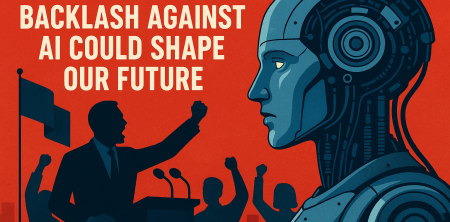
The rapid advancement of artificial intelligence (AI) is transforming our economy and society in unprecedented ways. However, a recent study suggests that the political implications of AI are just as critical to understand as its economic ramifications. As AI technologies evolve, so do the beliefs and perceptions surrounding them, influencing voter behavior and party allegiance. This article delves into the nuances of the political backlash against AI, examining how people's beliefs about the beneficiaries of AI shape their political preferences and voting decisions.
1. The Political Landscape of AI
AI is not merely a technological revolution; it's becoming a political issue that could redefine party lines and voter sentiments. According to the study published in the Political Opinion Quarterly, individuals’ perceptions about who benefits from AI play a vital role in shaping their political affiliations. When people see AI as a force that favors certain economic classes over others, this perception can lead to significant political backlash.
For instance, supporters of the Democratic Party in the U.S. and the Liberal Party in Canada often view AI as a tool that enhances economic opportunity and productivity. This perspective fosters a belief that these parties are better equipped to manage the integration of AI into society. Conversely, those who feel left behind by technological advancements may gravitate toward parties that promise to address their concerns, thus creating a rift in political alignment.
2. The Winners and Losers of the Tech Economy
As AI technologies become more prevalent, the notion of winners and losers in the economy becomes increasingly pronounced. The study highlights that individuals who perceive themselves as beneficiaries of AI tend to support political parties that align with their views on economic progress. Those who anticipate job losses or economic instability due to AI are more likely to support political entities that express skepticism about technology.
This dynamic reveals a growing divide where certain demographics feel empowered by AI, while others are left feeling vulnerable. For example, tech-savvy individuals in urban areas may rally behind progressive policies that promote AI, whereas workers in traditional industries may feel alienated, leading to a potent political backlash against parties perceived to be ignoring their struggles.
3. AI and Economic Inequality
One of the most pressing concerns regarding AI is its potential to exacerbate economic inequality. The study suggests that as AI reconfigures the job market, it will create a divide between those who can adapt to new technologies and those who cannot. This divide will inevitably spill over into the political realm, with groups feeling threatened by AI likely to push back against policies that favor technological advancement.
Historical patterns indicate that technological revolutions often lead to societal upheaval. The Industrial Revolution, for instance, saw a rise in labor movements as workers fought for rights against the backdrop of mechanization. Similarly, the AI revolution may incite political movements aimed at protecting jobs and advocating for workers’ rights, especially among groups perceiving themselves as losers in the knowledge economy.
4. Public Perception of AI’s Benefits
Public perception plays a pivotal role in the political backlash against AI. The study reveals that individuals who believe that AI primarily benefits elite groups tend to develop negative sentiments toward the technology. This perception can lead to a distrust of AI initiatives and a reluctance to endorse policies that promote its integration, as people fear that the benefits will not be equitably shared.
For example, if a significant portion of the population views AI as a tool for corporate profit rather than a means of enhancing societal well-being, this could fuel resentment against government policies that support AI development. Such sentiments could manifest in political campaigns that harness this discontent, leading to electoral successes for parties that advocate for more regulation and oversight of AI technologies.
5. The Role of Education and Awareness
Education plays an essential role in shaping perceptions of AI and its implications. As people become more informed about AI technologies, their beliefs about who benefits from these advancements may shift. The study indicates that individuals with a higher level of education tend to have a more nuanced understanding of AI, recognizing its potential for both good and ill.
However, there's a caveat: education alone isn't enough to mitigate fears or concerns surrounding AI. Policymakers must engage in effective communication strategies to address public anxieties about job displacement and wealth concentration. By fostering a more informed populace, governments can help bridge the divide between those who benefit from AI and those who feel threatened by it. (See: political implications of AI technologies.)
6. Case Studies: Political Responses to AI
Looking at various political responses to AI initiatives can provide insight into how backlash may manifest. In the United States, the Biden administration has embraced AI as a critical component of economic recovery and technological advancement. However, opposition parties exploit public fears surrounding job loss, emphasizing that the rapid advancement of AI could lead to increased unemployment.
Similarly, in Canada, Prime Minister Justin Trudeau's government promotes technological innovation as a pathway to growth, yet faces backlash from workers in sectors feeling the brunt of AI integration. These examples illustrate that while political parties may align themselves with the benefits of AI, they must also address the anxieties of those left behind in the transition.
7. Strategies to Mitigate Backlash
To effectively address the political backlash against AI, stakeholders must consider strategies to mitigate fears and promote inclusivity in the economic transition. These strategies could include investing in reskilling programs for workers displaced by AI, offering social safety nets, and ensuring that the benefits of AI are broadly shared across society.
Additionally, fostering a dialogue between technology companies, policymakers, and the public is crucial in creating a more balanced perspective on AI’s impact. Initiatives that promote transparency in AI development and deployment can help to alleviate concerns and build trust among citizens, ultimately reducing the likelihood of a backlash.
8. The Future of Political Backlash Against AI
The potential for political backlash against AI is real and must be taken seriously by policymakers and technology advocates alike. As AI continues to evolve, it will undoubtedly reshape the political landscape, with voter sentiments shifting in response to perceived threats and opportunities.
Ultimately, the interplay between AI development and public perception will determine the trajectory of political responses. If leaders can address the fears and concerns surrounding AI while highlighting its benefits, they can foster a more inclusive dialogue that bridges the divide between technology and the workforce. Without such efforts, the political backlash could become a defining feature of the AI era, influencing elections and shaping policy for years to come.
9. The Global Perspective on Political Backlash Against AI
While the discussion around political backlash against AI is particularly pertinent in North America, it's a global phenomenon affecting various countries differently. In Europe, for instance, the approach towards AI is often more regulatory and cautious, emphasizing ethical considerations. The European Union has proposed legislation aimed at ensuring AI is developed and used in ways that respect fundamental rights and freedoms, addressing public concern over potential abuses.
Countries like China, on the other hand, have embraced AI with a strategic vision, seeing it as a path to global leadership. However, this has raised concerns about surveillance and individual rights, sparking domestic and international backlash against their AI policies. The contrast in approaches can be attributed to differing political structures and societal values, underscoring the need for tailored strategies to manage public sentiment around AI.
10. Expert Perspectives on AI Regulation
Experts in the fields of technology and politics emphasize the importance of thoughtful regulation surrounding AI. Dr. Sarah Johnson, a political analyst, argues that “without effective regulation, we risk alienating large swathes of the population who feel threatened by advancements in technology.” Her view is echoed by technologists who believe that ethical AI development can prevent backlash and promote broader acceptance.
Additionally, some experts advocate for a multi-stakeholder approach in AI governance that includes not just policymakers and businesses but also civil society organizations. This can help ensure that various perspectives are considered, and fears about AI are addressed effectively. Engaging communities in the dialogue around AI can create a sense of ownership and help mitigate backlash by ensuring that the needs and concerns of diverse groups are heard.
11. Statistics and Trends in AI Adoption
Statistics reveal fascinating trends in AI adoption and public sentiment. According to a report by McKinsey, nearly 70% of companies have adopted at least one AI capability in their operations. However, public sentiment toward these advancements varies significantly. A survey conducted by Pew Research indicates that about 62% of Americans express concern that AI will lead to job losses, highlighting a disconnect between business optimism and public anxiety.
Furthermore, as AI becomes increasingly integrated into sectors such as healthcare, transportation, and education, there is growing public demand for transparency and accountability from companies developing these technologies. Companies that proactively communicate their AI strategies and policies may be more successful in mitigating backlash than those that remain silent. (See: AI and its societal impact.)
12. Comparative Analysis of Political Backlash
Examining political backlash against AI in different contexts allows for deeper understanding. In the United States, backlash often ties closely to economic insecurity and job loss, while in European countries, it may lean more towards privacy and ethical concerns. For example, in Germany, the debate around AI includes significant focus on data protection and user consent, stemming from a historical context of privacy violations.
This comparative lens reveals that while the underlying fears may be similar—job security, ethical use, and societal impact—the political ramifications and responses differ. Countries that address the specific concerns relevant to their populations can better navigate the political backlash against AI.
13. Frequently Asked Questions (FAQ)
What is political backlash against AI?
Political backlash against AI refers to the negative reactions and resistance from the public or political entities towards AI technologies and their implementation, often stemming from fears about job displacement, economic inequality, and ethical concerns.
Why does public perception matter in AI development?
Public perception can significantly influence political support or opposition to AI initiatives. If the public views AI as beneficial, political entities may push for its integration; however, if they perceive it as harmful, it can lead to significant political backlash.
How can governments mitigate political backlash against AI?
Governments can mitigate backlash by investing in education and reskilling programs, fostering public dialogue about AI's benefits and challenges, and ensuring the technology is developed and implemented ethically and transparently.
Are there examples of political backlash against AI in other countries?
Yes, many countries face backlash against AI. For instance, France has seen protests against the use of AI in surveillance, and Australia has raised concerns about AI in the workforce affecting job security.
What role does education play in shaping perceptions of AI?
Education helps individuals understand the implications of AI, which can alter their perceptions of who benefits from the technology. A more informed public is likely to engage more constructively with AI-related policies.
How do economic factors influence political backlash against AI?
Economic insecurity, particularly fears of job loss and inequality, heavily influences political backlash. Those who feel economically threatened by AI are more likely to oppose its integration, seeking political solutions to protect their interests.
14. The Role of Media in Shaping Political Sentiment
The media plays a crucial role in framing the narrative around AI, which can significantly influence public perception and, consequently, political backlash. Coverage of AI often focuses on its potential risks—such as job loss, ethical dilemmas, and privacy invasions—creating a fear-based narrative that can sway public opinion against AI integration.
For example, sensationalist headlines may draw attention to instances of AI failure or misuse, leading to heightened anxiety about the technology. Conversely, positive coverage that highlights successful AI implementations or potential benefits can help alleviate those fears. The tone and framing of these stories can either exacerbate or mitigate political backlash, showcasing the power of the media in shaping societal attitudes toward technological advancements. (See: study on AI and political behavior.)
15. International Comparisons of AI Backlash
Understanding how political backlash against AI manifests in various countries can provide valuable insights. In Japan, for instance, the backlash is often framed around cultural concerns about technology replacing human interactions, especially in sectors like customer service. This cultural context creates a unique narrative that differs from the more economically driven backlash seen in countries like the U.S. or the UK.
In contrast, countries with stronger labor unions, such as Sweden, may see backlash that focuses more on workers' rights and the protection of jobs, leading to calls for regulations that ensure fair labor practices in the face of automation. Such differing frameworks highlight the importance of cultural, economic, and political contexts in shaping how societies respond to AI technologies.
16. Civic Engagement and AI
Encouraging civic engagement in discussions about AI is essential for addressing the political backlash. Communities can organize forums, workshops, and public dialogues to promote understanding and address concerns about AI. Engaging citizens in the policy-making process can create a sense of ownership and help demystify AI technologies, mitigating fears about their implications.
For example, local governments can involve community leaders in AI initiatives by inviting them to participate in advisory boards. This not only empowers citizens but also ensures that the needs and concerns of various demographics are considered. Effective civic engagement can lead to more equitable AI policies that reflect the diverse interests of the population.
17. Future Directions: Bridging the Gap Between AI and Society
The future will likely see a continued evolution in the relationship between AI and society. As AI becomes more ingrained in daily life, the need for public dialogue and education will only grow. Policymakers will need to prioritize transparency and inclusivity in AI development to counteract potential backlash.
Encouraging interdisciplinary collaboration among technologists, ethicists, and community advocates can lead to better-informed policies that address the broader societal impacts of AI. This collaborative approach can help to find a middle ground where the benefits of AI are recognized, while also addressing the valid concerns that arise from its integration into various sectors.
18. Conclusion: Navigating the Political Backlash Against AI
Political backlash against AI is a complex issue that requires thoughtful engagement from all stakeholders. As technology continues to advance, maintaining an open dialogue about its impacts will be crucial for fostering a society that embraces innovation while protecting the rights and interests of its citizens. By listening to public concerns and addressing them proactively, we can work towards a future where AI serves as a tool for collective benefit rather than a source of division.
```
Trending Now
Frequently Asked Questions
How does AI impact political beliefs?
AI influences political beliefs by shaping perceptions of economic benefits. Individuals who see AI as favoring certain economic classes may align with political parties that reflect their views, creating divisions in voter sentiments based on perceived winners and losers in the tech economy.
What is the political backlash against AI?
The political backlash against AI refers to the negative reactions from individuals who feel left behind by technological advancements. This backlash can lead to shifts in party allegiance, as voters seek out parties that promise to address their concerns about economic inequality and job security.
Which political parties are associated with AI support?
In the U.S., the Democratic Party is often viewed as supportive of AI as a tool for economic opportunity, while in Canada, the Liberal Party shares a similar perspective. Voters who believe AI enhances productivity may gravitate toward these parties, seeing them as better equipped to manage AI's integration into society.
What role do perceptions of AI play in voting decisions?
Perceptions of AI significantly influence voting decisions, as individuals who view themselves as beneficiaries of AI tend to support parties that align with their economic outlook. Conversely, those fearing job losses may choose parties that address their anxieties about technological change.
How can AI redefine political party lines?
AI has the potential to redefine political party lines by altering voter sentiments. As people’s beliefs about AI's economic impact evolve, political affiliations may shift, leading to new alignments based on who they believe benefits from AI technologies.
What did we miss? Let us know in the comments and join the conversation.

