```html
When it comes to language development, syntax—the arrangement of words and phrases to create sentences—is a cornerstone of effective communication. For elementary school students with language delays, mastering syntax can be particularly challenging, but it's essential for their academic success and social interactions. This article will explore various dimensions of teaching syntax to students with language delays, providing practical insights, strategies, and current relevance to educators and parents alike.
The Importance of Syntax in Language Development
Understanding syntax is vital for students as it forms the basis of sentence structure and meaning. Syntax encompasses not just the order of words but also how different parts of speech interact within sentences to convey complex ideas. For children with language delays, the inability to grasp these syntactical rules can lead to difficulties in both oral and written communication.
Research has shown that a solid grasp of syntax correlates with better reading comprehension and writing skills. For instance, a study published in the Journal of Speech, Language, and Hearing Research found that students with syntactic difficulties often struggle with academic tasks that require written expression. By focusing on teaching syntax, educators can help bridge these gaps and enhance overall language proficiency.
Understanding Language Delays in Elementary Students
Language delays can manifest in various ways, including limited vocabulary, difficulty in constructing sentences, and challenges in understanding spoken language. The American Speech-Language-Hearing Association (ASHA) notes that these delays might stem from numerous factors, including genetic predispositions, environmental influences, or neurological conditions. Identifying the specific type of language delay is crucial for tailoring effective instructional strategies.
For instance, some children might have difficulties with expressive language, which affects how they communicate their thoughts and needs, while others may struggle with receptive language, impacting their understanding of what others say. Recognizing these differences allows educators to implement targeted interventions that address the unique needs of each student.
Key Strategies for Teaching Syntax
When it comes to teaching syntax to students with language delays, a one-size-fits-all approach doesn’t work. Here are some effective strategies that educators can implement:
- Scaffolding: Break down complex sentences into smaller, manageable parts. Start with simple sentences and gradually increase complexity as the student becomes more comfortable.
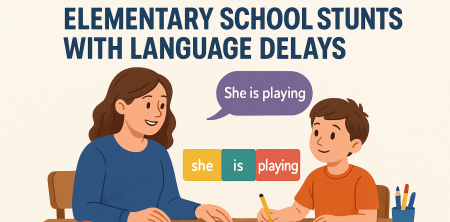
- Visual Supports: Use pictures, diagrams, and graphic organizers to illustrate how different parts of sentences fit together. Visual aids can help students with language processing difficulties better understand syntactic structures.
- Modeling: Regularly model correct syntax during discussions and activities. Encourage students to repeat sentences or phrases to reinforce their learning.
- Interactive Activities: Incorporate games and interactive exercises that engage students in constructing sentences. Activities like sentence building with blocks or digital tools can make learning syntax fun and engaging.
Using Technology to Enhance Syntax Instruction
In today's digital age, technology plays a vital role in education, including the teaching of syntax. There are numerous applications and software designed specifically to assist children with language delays. These tools often include interactive games and exercises that focus on sentence structure and grammar.
For example, apps like SentenceBuilder and Grammar Wonderland allow students to create sentences by dragging and dropping words into the correct order. This kind of interactive learning not only keeps students engaged but also provides instant feedback, which is crucial for reinforcing learning.
Moreover, technology can facilitate communication and collaboration with parents. Online platforms can provide parents with resources and exercises to support their child’s learning at home, ensuring consistency between school and home environments.
Incorporating Multisensory Learning Approaches
Multisensory learning is an effective approach, especially for students with language delays, as it engages multiple senses to reinforce concepts. When teaching syntax, consider incorporating auditory, visual, and kinesthetic elements.
For instance, you could use songs or chants that emphasize specific syntactical structures, allowing students to hear and practice the rhythm of language. Using colored cards or blocks to represent different parts of speech can visually reinforce lessons. Additionally, having students physically arrange words on a board or use their bodies to act out sentences can provide a kinesthetic learning experience that solidifies their understanding. (See: Journal of Speech, Language, and Hearing Research.)
Creating a Supportive Classroom Environment
Creating an inclusive and supportive classroom environment is essential for fostering language development. Teachers should establish a culture of patience and encouragement, where students feel safe to experiment with language without fear of making mistakes. This can be achieved through:
- Positive Reinforcement: Celebrate small successes and progress, no matter how minor they may seem. Positive feedback boosts confidence and motivates students to keep trying.
- Peer Support: Encourage collaboration among students. Pairing students with peers who demonstrate stronger language skills can create a supportive learning environment where they can learn from one another.
- Consistent Routines: Establishing predictable routines helps students with language delays feel more secure and reduces anxiety, allowing them to focus on learning.
Collaboration with Speech-Language Pathologists
Collaboration between educators and speech-language pathologists (SLPs) is crucial for effectively teaching syntax to students with language delays. SLPs can provide valuable insights into each child’s specific needs and design individualized intervention plans.
Regular meetings between teachers and SLPs can help ensure that instructional strategies align with speech therapies, allowing for a more cohesive approach. Additionally, SLPs can offer professional development to teachers, equipping them with the skills and strategies necessary to support students with language challenges effectively.
Measuring Progress and Adapting Instruction
Monitoring student progress is vital to understanding the effectiveness of the teaching strategies being implemented. Regular assessments can help identify areas where students are excelling and where they may need additional support.
Consider using a combination of formal assessments, such as standardized tests, and informal assessments, like observational notes and student work samples, to gauge progress. This multi-faceted approach provides a comprehensive view of each student's language abilities and informs instructional adjustments when needed.
Current Relevance and Future Trends
The increasing recognition of the importance of early language development has led to a surge in research and resources dedicated to improving outcomes for students with language delays. Educators are now more equipped than ever to teach syntax effectively, thanks to a variety of evidence-based strategies and resources.
Furthermore, the rise of teletherapy and online resources has made it possible for students to access support from qualified professionals regardless of their location. As we move forward, embracing innovative teaching methods and tools will be essential in ensuring that all students, particularly those with language delays, receive the education they deserve.
Enhancing Syntax Instruction Through Real-World Applications
To make syntax lessons more relatable and engaging, it’s beneficial to connect them to real-world contexts. By incorporating examples from daily life, students can see the relevance of syntax in their communication. For instance, while discussing sentence structure, teachers can use scenarios like ordering food at a restaurant or giving directions. This approach not only solidifies understanding but also encourages students to practice their skills in everyday situations.
Engaging Families in the Learning Process
Involving families in the learning process can significantly enhance the effectiveness of syntax instruction. Parents play a crucial role in reinforcing what their children learn in school. Here are a few strategies for engaging families:
- Workshops and Training: Hold workshops to educate parents about the importance of syntax and how they can support their children at home. Providing them with specific activities and strategies can empower them to be active participants in their child's learning journey.
- Home Activities: Share simple syntax-focused activities that families can do at home. This could include sentence-building games, storytelling, or even reading together while discussing the structure of sentences. Making learning fun can help solidify skills.
- Regular Communication: Maintain an open line of communication with families about their child's progress. Sharing successes and areas for improvement can foster a collaborative approach to supporting the child's language development.
Expert Perspectives on Teaching Syntax
Insights from experts in language development can provide valuable perspectives on teaching syntax. Dr. Jane Smith, a renowned speech-language pathologist, emphasizes the need for early intervention: “The earlier we can identify and address language delays, the better the outcomes for children. Syntax is often a key area where they struggle, but with targeted intervention, we can pave the way for their success.”
Additionally, Dr. Mark Johnson, an educational psychologist, advocates for individualized instruction: “Every child is unique. What works for one may not work for another. It’s crucial to tailor our teaching methods to meet the specific needs of each child, particularly when it comes to complex areas like syntax.”
Statistics on Language Delays and Syntax Learning
Understanding the scope of language delays can provide context to the importance of teaching syntax. According to the Centers for Disease Control and Prevention (CDC), approximately 1 in 6 children in the U.S. has a developmental disability, with speech and language delays being one of the most common. Research indicates that 50% of children with language delays will continue to face difficulties into their school-age years. (See: CDC on language development.)
Furthermore, studies show that students with strong foundational skills in syntax are 30% more likely to excel in reading comprehension by the time they reach the third grade. These statistics highlight the urgent need for effective teaching strategies that focus on syntax and language development.
FAQs About Teaching Syntax to Students
What age should syntax instruction begin?
Syntax instruction can begin as early as preschool. Introducing simple sentence structures and expanding on them as children grow can help lay the foundation for more complex language skills.
How can I tell if my child has a syntax problem?
Signs of a syntax problem may include difficulty forming sentences, frequent grammatical errors, or challenges following multi-step directions. If you suspect issues, consider consulting a speech-language pathologist for an evaluation.
Are there specific resources you recommend for teaching syntax?
Many resources exist, including educational apps like SentenceBuilder and physical tools like sentence strips and graphic organizers. Additionally, books focused on language development can provide structured activities.
How do I maintain student engagement when teaching syntax?
Incorporating games, songs, and real-life scenarios can engage students. The more interactive and relatable the activities, the more likely students will stay engaged and retain information.
Can syntax instruction be adapted for older students with language delays?
Absolutely! While the methods may need adjustment, older students can benefit from syntax instruction through contextualized learning and more sophisticated sentence structure activities relevant to their interests.
Addressing Common Misconceptions About Syntax Learning
When it comes to teaching syntax, several misconceptions can hinder the learning process for both educators and students. One common belief is that syntax can be mastered through rote memorization alone. In reality, understanding the functional roles of words in a sentence is crucial for true comprehension. Teaching syntax should involve exploration, hands-on practice, and real-life applications rather than simple drills.
Another misconception is that once a student learns the rules to form correct sentences, they will automatically apply them. However, syntax learning requires ongoing practice and reinforcement. Students may understand the rules but still struggle to implement them fluently in conversation or writing. Consistent, varied practice is key to helping students internalize these concepts.
The Role of Play in Syntax Development
Play-based learning is a powerful tool for enhancing syntax development. When students engage in play, they naturally experiment with language as they create scenarios, tell stories, or negotiate roles. For instance, during role-play activities, students can practice using different sentence structures while interacting with peers.
Incorporating storytelling into play can also be beneficial. For example, students can act out stories using puppets or dolls, allowing them to practice constructing sentences in a fun, low-pressure environment. This approach not only strengthens their understanding of syntax but also enhances their overall language skills.
Research-Backed Approaches to Teaching Syntax
Research highlights several effective approaches for teaching syntax to students with language delays. One such approach is the Explicit Instruction Model, which emphasizes direct teaching of syntactic structures through clear examples and guided practice. Studies show that students who receive explicit instruction in syntax outperform their peers in both written and spoken language tasks.
Another effective method is the use of Sentence Expansion Techniques, where students learn to add details to a basic sentence to make it more complex. For example, starting with the sentence "The dog ran," students can expand it to "The big brown dog ran quickly to fetch the red ball." This technique not only reinforces syntax but also enhances vocabulary and comprehension skills.
Creating Effective Syntax Assessments
Assessing a student's understanding of syntax is essential for tracking progress and informing instruction. Effective assessments should be varied and can include both formative and summative methods. For instance, teachers might use sentence completion tasks, where students fill in blanks to demonstrate their understanding of sentence structure.
Additionally, analyzing students' written work can provide insights into their syntactical awareness. By reviewing how students construct sentences in their writing, teachers can identify common errors and areas for improvement. Peer review sessions can also serve as informal assessments, allowing students to learn from each other's writing and syntax usage.
Future Directions in Syntax Education
Looking ahead, the field of syntax education is likely to evolve with advances in educational research and technology. Emphasizing the integration of syntax instruction within the broader curriculum will help students see its relevance in all subject areas. This cross-disciplinary approach can enhance engagement and motivation, as students understand how syntax is foundational to subjects like science, history, and even mathematics.
Furthermore, the use of Artificial Intelligence (AI) tools in education shows promise for personalized syntax instruction. As AI continues to develop, it can offer tailored practice and feedback based on individual student needs, making syntax learning more accessible and effective.
Conclusion: Empowering Students Through Syntax Instruction
Teaching syntax to students with language delays is an essential task that requires patience, creativity, and collaboration. By implementing effective strategies, utilizing technology, and fostering a supportive learning environment, educators can make a significant impact on their students' language development. The journey may be challenging, but the rewards of empowering students to communicate effectively are immeasurable. Together, we can unlock their potential and pave the way for their future success.
```
Trending Now
Frequently Asked Questions
What is syntax and why is it important for children?
Syntax is the arrangement of words and phrases to create meaningful sentences. It is crucial for children as it underpins effective communication, enabling them to express ideas clearly and understand complex language structures, which are essential for academic success and social interactions.
How can I help my child with language delays improve their syntax?
To help a child with language delays improve their syntax, use strategies like modeling correct sentence structures, engaging in interactive reading, and providing opportunities for expressive language practice. Tailoring activities to the child's interests can also enhance motivation and learning.
What are the signs of language delays in elementary students?
Signs of language delays in elementary students include limited vocabulary, difficulty constructing sentences, and challenges in understanding spoken language. Observing these signs can help parents and educators identify children who may need additional support in language development.
What strategies can teachers use to teach syntax to students with delays?
Teachers can teach syntax to students with delays by incorporating visual aids, using sentence-building games, and providing structured practice opportunities. Collaborative activities that encourage peer interaction can also foster understanding and use of syntactical rules in a supportive environment.
How does a strong grasp of syntax impact academic performance?
A strong grasp of syntax significantly impacts academic performance, as it correlates with better reading comprehension and writing skills. Students who understand sentence structure are more equipped to tackle academic tasks that require clear expression and complex reasoning.
What did we miss? Let us know in the comments and join the conversation.

