```html
Understanding Gross Motor Skills
Gross motor skills refer to the abilities that require the use of large muscles to perform movements. These skills are crucial for activities like walking, running, jumping, and climbing. Essentially, they enable children to move their bodies effectively and coordinate their movements. But what many parents and educators might not realize is that these skills do not just affect physical activity; they also play a significant role in cognitive development and academic performance.
The Connection Between Gross Motor Skills and Learning
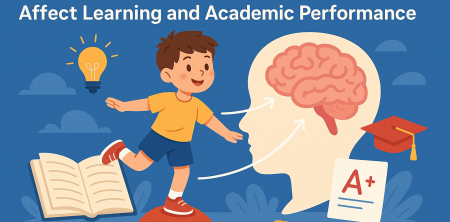
The relationship between gross motor skills and learning is multifaceted. Research has consistently shown that children who develop strong gross motor skills often show enhanced cognitive abilities. One study published in the journal Developmental Psychology found that children with better motor skills tend to perform better in areas such as verbal comprehension and memory. This connection suggests that physical movement can positively influence brain development.
When children engage in physical activities, they create neural connections that are essential for learning. For instance, activities that require balance and coordination, such as dancing or playing a sport, stimulate brain regions associated with memory and attention. This interplay between physical activity and cognitive function illustrates why gross motor skills and learning are so closely linked.
The Role of Gross Motor Skills in Academic Performance
Academic performance is increasingly seen as a holistic measure of a child’s abilities. While traditional metrics focus on intellectual achievements, they often overlook the influence of physical development. Children who struggle with gross motor skills may find themselves at an academic disadvantage. For example, they might have difficulty sitting still during lessons or maintaining focus during tasks that require fine motor coordination, such as writing.
Research has demonstrated that children with strong gross motor skills tend to be more engaged during class and better able to tackle challenging academic tasks. A study published in Child Development revealed that children with advanced motor skills scored higher on standardized tests. This correlation suggests that investing in gross motor development can lead to improved academic outcomes.
Identifying Gross Motor Skill Deficiencies
Recognizing gross motor skill deficiencies early on is crucial for a child’s development. Signs may include difficulty with running, jumping, throwing, or even basic movements like walking or balancing. Parents and educators should look for specific indicators such as:
- Inability to hop on one foot or skip.
- Frequent tripping or falling while running.
- Difficulty participating in sports or playground activities.
- Struggles with tasks that require coordination, such as catching a ball.
Identifying these challenges can help in seeking appropriate interventions early, which could include physical therapy, occupational therapy, or specialized programs that focus on gross motor skill development.
Strategies for Enhancing Gross Motor Skills
Enhancing gross motor skills in children can lead to better learning outcomes and academic performance. Here are several strategies that parents and educators can implement:
- Encouraging Outdoor Play: Activities like running, jumping, and climbing help develop gross motor skills. Encourage children to play outside, join sports teams, or participate in community-based physical activities.
- Incorporating Movement into Learning: Use movement-based learning techniques. For example, incorporate games that require physical activity into lessons or allow students to engage in kinesthetic learning activities.
- Structured Physical Education: Schools should prioritize physical education programs that focus on motor skills development. These programs should include a variety of activities that promote coordination, balance, and strength.
- Parental Involvement: Parents can play a significant role by engaging in activities that promote gross motor skills at home. Simple games like Simon Says, obstacle courses, or dance parties can be beneficial.
Employing these strategies does not just improve gross motor skills; it nurtures a child’s overall development, enhancing their learning capabilities.
The Impact of Technology on Gross Motor Skills
In today's digital age, children are spending more time engaged with screens than ever before. This shift has significant implications for gross motor skill development. An increase in sedentary behavior associated with screen time can lead to delays in physical development. Research indicates that children who engage in excessive screen time are more likely to have poor motor skills.
To counteract this, it’s crucial to promote balance. Limit screen time and encourage children to participate in physical activities instead. Creating a healthy routine that includes both technology and physical play can foster gross motor skill development while still allowing for educational screen time.
Current Research on Gross Motor Skills and Learning
Numerous studies have sought to understand the intricate relationship between gross motor skills and learning. A 2021 meta-analysis in the journal Educational Psychology Review highlighted that physical activity interventions lead to significant improvements in academic performance. The analysis included various studies that demonstrated how physical engagement enhances concentration, memory retention, and problem-solving skills. (See: CDC on child development milestones.)
Another notable study published in Pediatrics found that children who participated in regular physical activity had better academic performance compared to their less active peers. This suggests that promoting gross motor skills not only supports physical health but is also integral to academic achievement.
Case Studies: Successful Interventions
Several schools and programs have implemented successful interventions focusing on gross motor skills and learning. For example, an elementary school in Minnesota introduced a 'Move and Learn' program that combines physical activity with academic lessons. The program resulted in a 20% increase in test scores among participating students.
Moreover, research from a program in California demonstrated that integrating physical activity into the curriculum led to improvements in students' math and reading scores. These case studies highlight the effectiveness of targeted interventions that prioritize physical movement as a precursor to learning.
Encouraging a Lifelong Commitment to Physical Activity
Fostering an environment that values physical activity from a young age is essential. Encouraging children to develop a love for movement can lead to lifelong habits that enhance their gross motor skills and overall health. Parenting strategies should include promoting diverse physical activities, whether through sports, dance, or nature exploration.
Creating opportunities for social play, where children interact and move together, can also reinforce the importance of physical activity in their lives. When children associate learning with fun physical activities, they are more likely to continue these habits into adulthood.
The Road Ahead: Implications for Educators and Parents
As we gain a clearer understanding of the impact of gross motor skills on learning and academic performance, the implications for educators and parents become increasingly critical. Learning environments should prioritize physical movement, ensuring that children are not just mentally engaged but physically active as well.
Schools need to advocate for policies that support physical education and movement-based learning strategies. Parents should remain vigilant about balancing screen time with physical activity, ensuring their children have the best chance for physical and cognitive development.
Ultimately, the integration of gross motor skills into the educational curriculum and home life can lead to more engaged, focused, and successful learners. By understanding and addressing the connection between gross motor skills and learning, we can better prepare children for academic success and a healthier lifestyle.
The Neuroscience Behind Gross Motor Skills and Learning
Understanding the neuroscience behind gross motor skills can shed light on how these physical abilities support learning. The brain is a highly adaptable organ, and the neural pathways involved in motor skills development also play a role in cognitive functions. For example, the cerebellum, which is responsible for coordinating movements, is also involved in cognitive processes like attention and language. This overlap suggests that activities promoting gross motor skills can stimulate both physical and cognitive growth.
Studies using neuroimaging techniques have shown that physical activity can increase the size of the hippocampus, the brain area associated with memory and learning. This highlights how engaging in physical activities may not only strengthen muscles but also improve cognitive functions essential for academic success.
Gross Motor Skills Across Developmental Stages
Gross motor skills evolve significantly from infancy through adolescence, and understanding these stages is crucial for supporting children's development. In infancy, movements such as reaching, crawling, and standing are foundational. As children grow into toddlers, skills expand to include walking, running, and climbing. By preschool age, many children can hop, skip, and perform more complex movements.
During school age, gross motor skills continue to refine, with children engaging in organized sports and more advanced physical activities. Each developmental milestone builds upon the previous skills, reinforcing the importance of promoting gross motor activities at each stage. Recognizing age-appropriate milestones can help parents and educators provide the right level of challenge and support.
Gender Differences in Gross Motor Skills
Research indicates that there may be gender differences in the development of gross motor skills. Boys often show greater proficiency in skills that require strength and speed, while girls may excel in balance and coordination activities. However, these trends can be influenced by social and environmental factors. For instance, boys might have more opportunities to engage in aggressive sports, while girls may participate more in dance or gymnastics.
It's important to provide equal opportunities for both genders to explore a wide range of physical activities. Encouraging participation in various sports can help children develop a more balanced set of gross motor skills, regardless of gender. This approach also supports social interaction and teamwork, which are essential skills for overall development. (See: NIH study on motor skills and cognition.)
Common Myths About Gross Motor Skills
There are several myths surrounding gross motor skills that can hinder children's development. One common misconception is that physical activity is only relevant for those who want to excel in sports. In reality, gross motor skills are vital for everyday activities and overall health. Another myth is that children will naturally develop these skills without any intervention. While some skills may develop naturally, many children benefit from targeted activities and support.
Another myth is that gross motor skills are not as important as academic skills. In truth, the two are intertwined; strong physical skills can lead to better focus, engagement, and performance in academic settings. By dispelling these myths, parents and educators can create a more supportive environment for children's development.
FAQs about Gross Motor Skills and Learning
What are gross motor skills?
Gross motor skills are the abilities that involve the large muscles of the body, enabling functions such as walking, running, jumping, and climbing.
How do gross motor skills impact learning?
Research shows that strong gross motor skills are linked to improved cognitive abilities, including memory, focus, and academic performance. Physical activities stimulate brain development, creating neural connections essential for learning.
At what age should children start developing gross motor skills?
Gross motor skills begin to develop in infancy, with foundational movements such as rolling and crawling. As children grow, they will refine these skills through activities like walking, running, and playing sports.
Can children with gross motor skill deficiencies improve?
Absolutely! With targeted activities, therapy, and encouragement, children can significantly improve their gross motor skills. Early intervention is key to facilitating their development.
What activities can enhance gross motor skills?
Activities such as running, jumping, dancing, swimming, and playing sports are excellent for developing gross motor skills. Even simple games like tag or obstacle courses can make a big difference.
How does technology affect gross motor skills?
Excessive screen time can lead to decreased physical activity, which may hinder the development of gross motor skills. It's important to balance screen time with physical activities to promote healthy development.
Are there long-term benefits to developing gross motor skills?
Yes! Strong gross motor skills are not only essential for immediate physical health but also contribute to better academic performance, social skills, and overall well-being throughout life.
Additional Insights on Gross Motor Skills and Learning
Understanding the broader implications of gross motor skills and learning can help parents and educators foster better development strategies. For example, exposure to various physical environments can stimulate a child's motor development differently. Activities like climbing trees, playing in sandy areas, or navigating uneven terrain can enhance balance and coordination.
Additionally, integrating culture by introducing traditional games from various backgrounds can inspire children to explore and develop their gross motor skills in diverse ways. Games like tag, hopscotch, or even cultural dances often require specific movements that can enhance coordination and social skills.
Statistics on Gross Motor Skills Development
Statistics illustrate the importance of gross motor skills in child development. According to the American Academy of Pediatrics, approximately 60% of children do not engage in daily physical activity sufficient to promote healthy growth. This lack of activity has been linked to a decline in motor skills development, which can impact learning outcomes.
Moreover, a study showed that children who engage in quality physical education programs score up to 10% higher on standardized tests compared to peers who do not participate in such programs. This highlights the critical need for schools to prioritize physical education and ensure students have regular access to movement-based learning opportunities.
The Role of Play in Developing Gross Motor Skills
Play is one of the most effective ways for children to develop their gross motor skills. Unstructured play allows children to explore their physical limits and learn through trial and error. Whether they are running around in a park or climbing on playground equipment, these activities help strengthen their muscles and improve their coordination.
Structured play, such as team sports or organized games, also plays a vital role. These environments not only promote physical skills but also teach children about teamwork, communication, and strategy, all of which are important for cognitive and social development.
Engaging with the Community to Support Development
Community involvement can significantly enhance children's opportunities to develop gross motor skills. Parks and recreation departments often offer sports programs, classes, and activities designed to promote physical fitness. Parents can take advantage of these resources, encouraging their children to join local teams or attend community events focused on physical activity.
Additionally, communities can help by creating safe, accessible spaces for children to engage in physical play. This could include building more playgrounds, organizing community sports leagues, or hosting family fun days that encourage active participation for all ages.
Expert Perspectives on Gross Motor Skills and Learning
Experts agree that fostering gross motor skills is essential for children's overall development. Dr. Jane Goodall, a noted child development expert, emphasizes the link between physical activity and brain health, noting that "active children are not only healthier but also perform better academically." This statement aligns with numerous studies highlighting how movement stimulates cognitive functioning.
Dr. Michael Thompson, a child psychologist, points out that developing gross motor skills can lead to greater self-confidence. "Children who excel in physical activities tend to have higher self-esteem, which directly influences their willingness to participate in academic challenges," he says, reinforcing the importance of creating a balanced approach to development.
Concluding Thoughts on Gross Motor Skills and Learning
The development of gross motor skills is an essential facet of childhood that significantly influences learning. Addressing this aspect of development through targeted strategies can have lasting benefits for children, preparing them not just for academic success but for a healthier, more active lifestyle. As parents and educators, fostering an environment that values physical activity is a crucial step in nurturing well-rounded, capable individuals ready to tackle their future.
```
Trending Now
Frequently Asked Questions
How do gross motor skills impact learning?
Gross motor skills significantly influence learning by enhancing cognitive abilities. Children with better motor skills often show improved verbal comprehension and memory, as physical activities stimulate brain regions related to learning and attention.
What are examples of gross motor skills?
Gross motor skills involve large muscle movements and include activities such as walking, running, jumping, climbing, and balancing. These skills are essential for overall physical development and coordination in children.
Can gross motor skills affect academic performance?
Yes, gross motor skills can affect academic performance. Children with underdeveloped motor skills may struggle to focus during lessons or have difficulties with tasks requiring fine motor coordination, impacting their overall academic success.
What is the connection between physical activity and cognitive development?
Physical activity fosters cognitive development by creating neural connections in the brain. Activities that involve balance and coordination, like sports or dancing, enhance memory and attention, linking physical movement to cognitive function.
Why are gross motor skills important for children?
Gross motor skills are crucial for children's physical health, coordination, and independence. They not only support physical activities but also contribute to cognitive development, enhancing learning and academic performance.
Have you experienced this yourself? We'd love to hear your story in the comments.

