```html
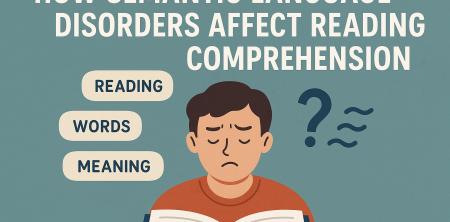
In the intricate world of language, comprehension plays a pivotal role in learning and communication. Yet, for many, understanding language is a significant challenge, particularly for those affected by semantic language disorders. These disorders can profoundly impact reading comprehension, an essential skill in academic and everyday life. Understanding how semantic language disorders affect reading comprehension is crucial for parents, educators, and clinicians alike, as it sheds light on the mechanisms of language understanding and provides pathways for effective intervention.
What Are Semantic Language Disorders?
Semantic language disorders are characterized by difficulties in understanding and generating meaning from language. These disorders can manifest in various ways, including problems with vocabulary, sentence structure, and overall comprehension. Unlike broader language disorders that may affect syntax or phonology, semantic language disorders specifically impact the understanding of words and their meanings.
Children with semantic language disorders may struggle to grasp the nuances of language. For instance, they might find it challenging to understand idiomatic expressions, metaphorical language, or even the subtle differences in word meanings based on context. This difficulty can lead to significant challenges in reading comprehension, as understanding text requires not only decoding words but also connecting them to meaningful concepts.
The Link Between Semantic Language Disorders and Reading Comprehension
Reading comprehension involves several complex cognitive processes that draw on a person's language abilities. At its core, this skill requires the ability to decode text, understand vocabulary, and integrate information into a coherent mental representation. For individuals with semantic language disorders, these processes can become significantly impeded.
Research indicates a strong correlation between semantic language disorders and difficulties in reading comprehension. Children with these disorders often experience challenges in several areas:
- Word Recognition: Difficulty in understanding the meanings of words can hinder a child’s ability to recognize them quickly, which is essential for fluent reading.
- Vocabulary Knowledge: A limited vocabulary restricts the range of concepts that a child can grasp, making it harder to engage with complex texts.
- Inferential Reasoning: Inference is crucial for understanding implied meanings and relationships within a text. Children with semantic language disorders may struggle to make these connections.
- Contextual Understanding: Semantic language disorders can impair a child's ability to use context to deduce meaning, an essential skill for understanding narrative and expository texts.
Identifying Semantic Language Disorders
Early identification of semantic language disorders can significantly improve outcomes for affected individuals. Several signs may indicate the presence of these disorders:
- Delayed Vocabulary Development: Children who struggle to acquire new words or who have a limited vocabulary compared to their peers may be at risk.
- Difficulty with Word Retrieval: Asking a child to name objects or describe events may reveal struggles in accessing the appropriate vocabulary.
- Poor Understanding of Figurative Language: Inability to comprehend metaphors, idioms, or slang can be a significant indicator.
- Challenges with Story Comprehension: Children who have trouble retelling stories or answering questions about reading material may have underlying semantic issues.
Language assessments conducted by speech-language pathologists can help diagnose these disorders and tailor intervention strategies effectively.
Strategies for Supporting Reading Comprehension
For children with semantic language disorders, specific strategies can facilitate improvements in reading comprehension:
- Explicit Vocabulary Instruction: Teaching new words explicitly, including their meanings, uses in context, and synonyms, can help enhance vocabulary knowledge.
- Contextualized Learning: Utilizing texts related to a child's interests or previous knowledge can make comprehension more relatable and engaging.
- Use of Visual Supports: Incorporating pictures or diagrams can help clarify the meanings of words and concepts, reinforcing the relationship between text and imagery.
- Interactive Reading: Engaging children in discussions about texts, asking open-ended questions, and encouraging predictions can foster deeper understanding.
Implementing these strategies within a structured learning environment can significantly aid children in overcoming their comprehension challenges.
Current Trends in Research and Understanding
Recent studies have shed light on the neurological underpinnings of semantic language disorders, linking them to specific brain areas involved in language processing. For instance, research has suggested that the left hemisphere, particularly regions such as the left inferior frontal gyrus, plays a crucial role in semantic processing. This understanding can guide targeted interventions. (See: Understanding semantic language disorders.)
Furthermore, there's a growing emphasis on the role of technology in supporting children with semantic language disorders. Various apps and digital tools have been developed to promote vocabulary building and comprehension skills. These resources often employ gamified approaches, making learning more motivating and accessible.
Case Studies: Real-Life Impacts of Semantic Language Disorders
To illustrate the profound implications of semantic language disorders on reading comprehension, consider the following case studies:
- Case Study 1: Emily, a 7-year-old girl, struggled with understanding stories read to her. Despite being able to decode words, she often missed the main ideas and themes. After a speech-language assessment, it was determined that she had a semantic language disorder. Through targeted vocabulary instruction and interactive reading sessions, Emily showed significant improvement in her comprehension, moving from struggling with basic texts to engaging with more complex literature.
- Case Study 2: Liam, a 9-year-old boy, faced challenges not only in vocabulary acquisition but also in understanding figurative language. His difficulties in grasping idioms led to confusion during reading assignments. By incorporating visual aids and contextual learning strategies, his educators helped him develop an understanding of metaphors, resulting in improved reading scores and greater confidence.
These examples underscore the importance of early intervention and personalized strategies in addressing the challenges posed by semantic language disorders.
The Role of Educators and Parents
Educators and parents play a critical role in supporting children with semantic language disorders. Collaborative approaches between home and school can significantly enhance outcomes. Here are some practical steps that can be taken:
- Communication: Open lines of communication between teachers and parents can help track progress and adapt strategies to meet a child's evolving needs.
- Encouragement of Reading: Creating a print-rich environment at home and encouraging regular reading can promote vocabulary development and comprehension.
- Professional Development: Educators should seek training in recognizing and addressing semantic language disorders, ensuring that they are equipped with the latest strategies and resources.
By working together, parents and educators can create a nurturing environment that fosters language development.
Future Directions in Treatment and Support
The field of speech-language pathology continues to evolve, with ongoing research aimed at understanding and treating semantic language disorders more effectively. Future directions may include:
- Personalized Learning: Leveraging artificial intelligence to create tailored learning experiences that adapt to individual needs and progress.
- Teletherapy: Expanding access to speech-language services through teletherapy, making interventions more accessible to families regardless of location.
- Community Awareness: Increasing awareness of semantic language disorders within educational systems and communities can lead to earlier identification and support.
As we continue to explore the complexities of language disorders, the goal remains clear: to empower individuals with the skills and confidence they need to navigate the world through effective communication.
Common Misconceptions About Semantic Language Disorders
Understanding semantic language disorders can be complicated, leading to various misconceptions. Here are a few common ones:
- Misconception 1: Semantic language disorders are the same as speech disorders. In reality, semantic language disorders specifically pertain to the understanding and use of meaning in language, while speech disorders may involve pronunciation and articulation.
- Misconception 2: Children with semantic language disorders will eventually “catch up” to their peers. Without appropriate interventions, children may continue to struggle with language and reading comprehension throughout their academic careers.
- Misconception 3: Semantic language disorders only affect academic performance. These disorders can also impact social interactions, as difficulties in understanding language can hinder effective communication with peers.
By addressing these misconceptions, we can foster a better understanding of the challenges faced by children with semantic language disorders and promote timely support.
Statistics on Semantic Language Disorders
Understanding the prevalence and impact of semantic language disorders can help raise awareness and inform intervention strategies. Here are some relevant statistics:
- According to a study published in the *Journal of Communication Disorders*, approximately 7-10% of children are affected by some form of language disorder, with semantic language disorders being a common type.
- The American Speech-Language-Hearing Association (ASHA) estimates that about 20% of preschoolers exhibit language delays, with semantic difficulties being a significant component.
- Research shows that children with semantic language disorders are at greater risk for academic failure, with studies indicating they are 3-5 times more likely to struggle in school than their peers without language disorders.
Expert Perspectives on Semantic Language Disorders
Experts in the field of speech-language pathology emphasize the importance of early diagnosis and intervention. Dr. Jennifer Hayes, a renowned speech-language pathologist, notes, "The earlier we can identify semantic language disorders, the better the chances of improving a child's communication skills. Many strategies can be implemented before a child even reaches formal schooling." (See: Language development and disorders.)
Additionally, Dr. Michael Chang, a researcher in cognitive linguistics, states, "Understanding the brain's role in semantic processing offers promising avenues for developing targeted therapies. We are only beginning to scratch the surface of how to leverage this knowledge for effective treatment."
Frequently Asked Questions (FAQ)
What are the signs that a child has a semantic language disorder?
Some signs include delayed vocabulary development, difficulty with word retrieval, poor understanding of figurative language, and challenges with story comprehension. If you notice these signs, a speech-language assessment can help determine if a semantic language disorder is present.
How can parents help their child with semantic language disorders at home?
Parents can engage in activities such as reading together, discussing stories, and using visual aids to help illustrate complex concepts. Encouraging open-ended questions and conversations can also foster better understanding and vocabulary development.
Are there specific interventions that are proven to be effective?
Yes, interventions such as explicit vocabulary instruction, contextualized learning, and the use of technology can be effective. Tailoring these strategies to fit the child's interests and needs often yields the best outcomes.
Can semantic language disorders be outgrown?
While some children may show improvement over time, especially with appropriate interventions, many will benefit from ongoing support throughout their educational journey. Early intervention is key to maximizing progress.
How do semantic language disorders affect social skills?
Children with semantic language disorders may struggle with social interactions due to difficulties in understanding and using language effectively. This can lead to challenges in making friends, participating in group activities, and navigating social cues.
Exploring the Educational Impact of Semantic Language Disorders
Semantic language disorders can significantly affect a child's educational experience. Teachers may notice that students with these disorders often have difficulty following instructions, participating in discussions, and completing assignments that require comprehension of complex texts. For instance, a student may excel in math but struggle with reading comprehension, affecting their performance across subjects.
Furthermore, the academic challenges posed by semantic language disorders can lead to increased anxiety and frustration for both students and educators. Teachers need to employ differentiated instructional strategies to support these learners effectively. This could involve simplifying language, providing additional time for assignments, or using more visual aids to help convey meaning.
Technological Innovations Supporting Semantic Language Development
As technology advances, it offers new tools to support children with semantic language disorders. Apps designed for language development often use interactive methods that engage children and make learning enjoyable. For example, platforms like Speech Blubs and Teach Me Language offer activities that focus on vocabulary building and comprehension skills through games and storytelling.
Moreover, virtual reality (VR) and augmented reality (AR) are emerging as innovative tools to support language learning. These technologies create immersive experiences that can help children better understand context and meaning through interactive scenarios. For instance, a VR program might simulate real-world situations where a child can practice using language in context, thereby reinforcing semantic understanding.
Building a Support Network
Creating a strong support network is vital for children with semantic language disorders. This network can include parents, educators, speech-language pathologists, and peers. Open lines of communication among these groups ensure that everyone is on the same page regarding the child’s needs and progress.
Support groups for parents can also be incredibly beneficial. Sharing experiences and strategies with others facing similar challenges can provide emotional support and practical solutions. Additionally, community programs that focus on language development can offer workshops and resources to help parents reinforce learning at home.
Cultural and Linguistic Considerations
When addressing semantic language disorders, it’s crucial to consider cultural and linguistic backgrounds. Children from diverse linguistic backgrounds may experience different challenges in language development. For example, bilingual children may have unique semantic language disorders that manifest differently than in monolingual peers. Understanding how cultural context and exposure affect language acquisition can help tailor effective interventions.
Speech-language pathologists should be aware of these differences and ensure that assessments and interventions are culturally sensitive and appropriate. This approach not only supports the child’s language development but also validates their cultural identity.
Resources for Families and Educators
There are numerous resources available to assist families and educators in supporting children with semantic language disorders. Organizations such as the American Speech-Language-Hearing Association (ASHA) and the National Institute on Deafness and Other Communication Disorders (NIDCD) provide a wealth of information on language disorders, including tips for intervention and links to local services.
Books, online forums, and educational websites offer valuable insights into the latest research and strategies for helping children succeed. Additionally, collaborating with local schools and community centers can provide access to workshops and training sessions focused on language development and support.
Conclusion
Understanding how semantic language disorders affect reading comprehension is essential for fostering effective communication skills in children. By addressing these disorders through targeted strategies, early intervention, and collaborative support, we can help children overcome challenges and thrive academically. As research and technology advance, there is hope that we can continue to improve the lives of those affected by these language disorders, ensuring that every child has the opportunity to succeed in their reading and comprehension journey.
```
Trending Now
Frequently Asked Questions
What are the symptoms of semantic language disorders?
Symptoms of semantic language disorders include difficulties in understanding word meanings, problems with vocabulary, and challenges with sentence structure. Individuals may struggle with idiomatic expressions and contextual nuances, which can significantly impact their overall comprehension and communication skills.
How do semantic language disorders affect reading skills?
Semantic language disorders can severely hinder reading skills by impairing the ability to decode text and understand vocabulary. This can lead to challenges in integrating information and creating coherent mental representations, ultimately affecting reading comprehension and academic performance.
What interventions are effective for semantic language disorders?
Effective interventions for semantic language disorders may include targeted speech therapy, vocabulary-building activities, and contextual learning exercises. Educators and clinicians can develop tailored strategies to enhance understanding of language nuances and improve overall reading comprehension.
Can semantic language disorders be diagnosed?
Yes, semantic language disorders can be diagnosed through comprehensive assessments conducted by speech-language pathologists. These evaluations typically involve analyzing a person’s language abilities, comprehension skills, and the ability to understand and generate meaning from language.
What is the difference between semantic language disorders and other language disorders?
Semantic language disorders specifically impact the understanding and generation of meaning from language, while other language disorders may affect syntax or phonology. This distinction is crucial as it influences the approaches used for assessment and intervention.
Agree or disagree? Drop a comment and tell us what you think.

