```html
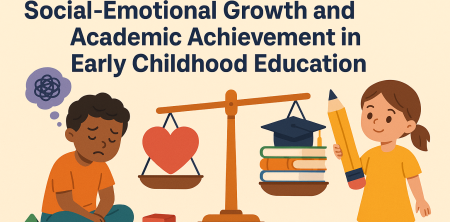
In the world of early childhood education, a complex debate rages on: how do educators effectively balance social and emotional development with the ever-increasing academic expectations placed on young learners? A recent article in Frontiers in Psychology delves into this pressing issue, shedding light on the challenges faced by teachers as they navigate the often tumultuous waters of early learning. This exploration is particularly relevant in today’s environment where parents and educators alike are increasingly concerned about what children should prioritize in their formative years.
The Foundation of Early Childhood Education
Early childhood education is more than just preparing children for future academic success; it’s about shaping well-rounded individuals. The emphasis on social and emotional development is paramount, laying the groundwork for positive interactions, resilience, and self-regulation. A child’s ability to communicate, empathize, and form relationships is crucial not only for their personal growth but also for their academic journey.
The Center on the Developing Child at Harvard University emphasizes that the early years are critical for brain development. During this period, children are not just learning letters and numbers; they are also developing the skills to manage their emotions, collaborate with peers, and engage in critical thinking. These components are essential for school readiness and future success. Yet, as academic demands grow, educators find themselves in a precarious position.
The Pressure of Academic Expectations
The article highlights a significant theme: the mounting academic expectations placed on young children. In many educational systems, there’s a strong push for early literacy and numeracy skills. Policymakers and parents often advocate for structured learning environments that prioritize academic achievement, sometimes at the expense of social-emotional growth.
Teachers are often caught in the middle. They strive to meet these academic benchmarks while also recognizing the importance of fostering a nurturing and emotionally supportive classroom atmosphere. This tension can create feelings of inadequacy and stress among educators, who may feel that they cannot fully implement their educational philosophies.
Understanding the Balance
Achieving an early childhood education balance requires a nuanced understanding of child development. The study examined various factors that influence this balance, including policy directives, parental expectations, and institutional pressures. Teachers reported that while they were aware of the academic goals, they also valued the significance of allowing children the time and space to develop socially and emotionally.
In conversations with educators, many expressed the belief that a child’s readiness for academic learning stems from their emotional well-being and social skills. A child who feels secure, understood, and connected with their peers is more likely to engage in learning opportunities. This perspective challenges the traditional view that academic skills should be the primary focus before a child enters formal schooling.
Strategies for Achieving Balance
So, how can early childhood educators strike this delicate balance? The article outlines several strategies that have shown promise. Firstly, integrating social-emotional learning into the curriculum can create a more holistic educational experience. Programs that teach children about emotions, conflict resolution, and empathy can provide vital skills that enhance their academic learning.
Furthermore, educators can utilize play-based learning as a method to foster both academic skills and emotional intelligence. For instance, through guided play, children can engage in activities that promote literacy and numeracy while simultaneously developing social skills. This approach not only meets academic standards but also nurtures the emotional landscape of the classroom.
The Role of Family and Community
Parents and caregivers play a crucial role in supporting this early childhood education balance. The study emphasizes the need for strong partnerships between families and educational institutions. When parents understand the value of social-emotional development, they can reinforce these skills at home, creating a consistent message for children.
Community support is equally important. Local organizations can offer resources and training for parents, helping them to navigate the often conflicting messages about education. By fostering a community that values both academic success and emotional well-being, we can create an environment conducive to balanced growth. (See: social-emotional development overview.)
The Impact of Policy on Early Education
Educational policies significantly shape the landscape of early childhood education. The article underscores how policies that prioritize standardized testing and early academic achievement can inadvertently sideline the essential aspects of social and emotional learning. Educators often feel pressured to conform to these standards, which can limit their ability to adopt a balanced approach.
Advocating for policies that recognize and support the significance of emotional and social development is critical. This includes lobbying for curricula that integrate social-emotional learning as a core component, as well as training and resources for teachers to implement these strategies effectively. Policymakers need to be informed about the long-term benefits of a balanced approach, which can lead to better outcomes for children as they progress in their education.
Research and Evidence-Based Practices
Evidence-based practices can guide educators in achieving an effective balance between academic and emotional learning. The article points to several research studies that highlight successful programs focusing on social-emotional development. For instance, the Collaborative for Academic, Social, and Emotional Learning (CASEL) has developed frameworks that provide educators with strategies for integrating SEL into their teaching.
Training sessions and workshops can empower teachers with the tools necessary to foster an emotionally supportive classroom while achieving academic goals. By employing research-supported practices, teachers can create an environment that nurtures both kinds of growth.
Personal Experiences and Perspectives
The voices of educators provide invaluable insight into the challenges and successes of balancing these priorities. As one teacher noted, “When children feel safe and understood, they are more willing to take risks in their learning.” This sentiment reflects a broader understanding that emotional safety can lead to academic courage.
Some educators have shared stories of transforming their classrooms into spaces where emotional learning is prioritized. By incorporating daily routines that involve discussion of feelings, conflict resolution, and group activities, they have seen improvements in both social interactions and academic performance among their students.
Looking Ahead: The Future of Early Childhood Education
The challenge of maintaining an early childhood education balance will likely remain a hot topic among educators, parents, and policymakers. As awareness grows about the importance of emotional and social learning, we may see shifts in how educational systems approach early childhood education. This evolution could lead to a more integrated curriculum that values the development of the whole child.
Furthermore, as research continues to emerge, there will be more data to support the idea that a balanced approach not only benefits children’s immediate educational experiences but also their long-term success in life. The goal for educators and families alike should be to cultivate an environment where children can thrive academically while also developing the emotional intelligence necessary for navigating life.
Final Thoughts
In conclusion, the search for balance between social and emotional development and academic expectations in early childhood education underscores a critical aspect of child development. It’s a debate that resonates with many and brings to light the very essence of what it means to educate our youngest learners. By fostering an environment that values both emotional and academic growth, educators can provide a more enriching experience that prepares children not just for school but for life.
Expanding the Conversation: Defining Balanced Learning
To better understand the concept of balanced learning in early childhood education, it helps to define what balance means in this context. Balance isn’t just about splitting time between academic and social-emotional development; it’s about integrating these domains into a cohesive learning experience. This requires educators to rethink traditional curricula and explore ways to weave social skills into academic content seamlessly.
For instance, a lesson on storytelling can incorporate emotional vocabulary, encouraging children to express how a character might feel and why. This approach not only enhances literacy skills but also promotes emotional awareness. When educational activities are designed with both emotional and academic outcomes in mind, children can see the relevance and application of their learning in real-world contexts.
Statistics on Early Childhood Education Outcomes
The impact of balanced early childhood education is not just theoretical; research has shown significant outcomes for children who receive a well-rounded education. According to studies conducted by the National Institute for Early Education Research (NIEER), children who participate in high-quality early childhood programs show substantial gains in literacy and numeracy. However, they also demonstrate enhanced social skills and emotional regulation, which are equally crucial for long-term success.
One startling statistic indicates that children who receive a balanced approach to education are 30% more likely to perform better in school through third grade compared to their peers who only focus on academics. This suggests that a focus on emotional intelligence and social skills can create a more conducive learning atmosphere that ultimately benefits academic performance. (See: brain development in early childhood.)
Expert Perspectives: Voices of Change
Educators and researchers in the field of early childhood education often argue that a shift is necessary to prioritize emotional and social skills. Dr. Linda Darling-Hammond, a leading education researcher, emphasizes that “We cannot expect children to thrive academically without also addressing their emotional needs.” Her work highlights the importance of preparing educators not just in academic teaching strategies but also in emotional coaching techniques.
Additionally, Dr. Daniel Goleman, author of Emotional Intelligence, advocates for an educational shift that embraces the understanding of emotional skills as foundational to academic success. According to him, children equipped with emotional intelligence are better problem solvers and collaborators, traits that significantly benefit their future workplaces.
A Closer Look at Social-Emotional Learning (SEL) Frameworks
Implementing social-emotional learning (SEL) frameworks in early childhood education is one effective strategy to achieve balance. SEL programs focus on teaching children skills such as self-awareness, self-management, social awareness, relationship skills, and responsible decision-making. Programs like the PATHS (Promoting Alternative Thinking Strategies) curriculum have shown promising results in enhancing children's emotional and social competencies while supporting their academic learning.
A notable study indicated that children who participated in PATHS showed greater emotional regulation and improved academic performance over time. By integrating SEL frameworks into daily routines, educators help children navigate their emotions and foster positive relationships, both of which are essential for a balanced education.
Frequently Asked Questions about Early Childhood Education Balance
What does "early childhood education balance" mean?
The term refers to the balanced integration of social-emotional development and academic learning in early childhood education. It emphasizes that both areas are critical for a child's overall development and future success.
Why is social-emotional learning important in early childhood education?
Social-emotional learning (SEL) is vital because it helps children develop the skills to manage their emotions, build healthy relationships, and make responsible decisions. These skills are foundational for academic success and personal well-being.
How can parents support the balance at home?
Parents can support balance by engaging in conversations about feelings and emotions, encouraging play that fosters social skills, and providing a nurturing environment that values both academic and emotional growth. Reading books that discuss emotions can also be a great way to reinforce these concepts at home.
What role do policymakers play in achieving this balance in education?
Policymakers can create and support initiatives that prioritize both academic achievement and social-emotional development. This includes funding for teacher training, advocating for curricula that include SEL, and developing standards that reflect the importance of a well-rounded education.
Are there specific programs that schools can implement to achieve balance?
Yes, schools can implement programs like PATHS, Second Step, or the Incredible Years that focus on social-emotional learning. These programs provide structured approaches to teaching emotional intelligence alongside academic subjects.
What is the long-term impact of a balanced early childhood education?
Research suggests that children who experience a balanced early childhood education tend to have better academic outcomes, improved social skills, and emotional well-being in their later years. They are often more prepared to face challenges in school and life.
Innovative Practices for Balanced Learning
As educators seek to achieve a harmonious balance in early childhood education, innovative practices are emerging that facilitate this goal. For instance, some schools have adopted flexible scheduling, allowing children to engage in both structured learning and free play. This flexibility can help reduce stress and anxiety, which are common in high-pressure academic environments.
Additionally, mindfulness practices have been integrated into daily routines in some classrooms. Techniques such as deep breathing, yoga, or simple moments of silence can help children center themselves and develop emotional regulation skills. Research indicates that these practices not only enhance focus and attention but also reduce instances of behavioral issues.
The Importance of Teacher Training and Development
Effective teacher training is crucial for achieving a balance between social-emotional and academic learning. Professional development programs focusing on SEL can equip teachers with the tools to implement these strategies in the classroom. Training sessions that include role-playing scenarios, workshops on emotional literacy, and collaborative planning can help teachers feel more confident in addressing both aspects of education.
Moreover, ongoing support and resources are essential. Schools that provide mentorship programs for new teachers can create a supportive environment that encourages experimentation with balanced teaching methods. When educators feel supported, they are more likely to embrace innovative practices that benefit their students.
Community Engagement: Building a Supportive Network
Engaging the community is another vital aspect of maintaining a balance in early childhood education. Schools can collaborate with community organizations to provide parents with resources and workshops that emphasize the importance of social-emotional learning. Events such as family nights, where educators and parents can share strategies and resources, strengthen the home-school connection and create a unified approach to education.
Additionally, inviting guest speakers, such as child psychologists or social workers, to discuss the importance of emotional development in children can provide valuable insights for families. This collaborative effort can help create a community-wide understanding of the significance of balanced education.
Global Perspectives on Early Childhood Education Balance
As educators in the U.S. grapple with balancing social-emotional and academic learning, it’s worth looking at how other countries approach early childhood education. Some nations, such as Finland, prioritize play-based learning in their early education systems. Finnish educators emphasize that children learn best through play and exploration, naturally integrating academic concepts into these experiences.
In contrast, countries with a more rigid academic structure, such as China, have seen the drawbacks of intense academic pressure on young learners. Recent shifts in educational policy there are beginning to embrace the importance of creativity and emotional well-being in early childhood education, demonstrating a growing recognition of the need for balance.
In summary, the conversation surrounding early childhood education balance is complex and multi-faceted, involving educators, parents, and policymakers alike. The aim should be to create a holistic environment where children can thrive academically and emotionally, setting the stage for lifelong learning and success.
```
Trending Now
- this guide on unlock your potential: exciting copywriting opportunities with coalition technologies
- read the full story
- Understanding ADHD in Kindergarten: When Behavior Signals a Need for Concern
- our breakdown of unlocking success: essential adhd accommodations for high school students
- this guide on the surprising impact of adhd on emotional regulation in children: what parents need to know
Frequently Asked Questions
What is the importance of social-emotional development in early childhood education?
Social-emotional development is crucial in early childhood education as it lays the groundwork for positive interactions, resilience, and self-regulation. These skills are essential for children’s personal growth and academic success, helping them manage emotions, collaborate with peers, and engage in critical thinking.
How do academic expectations affect young learners?
Mounting academic expectations can create pressure on young learners, often prioritizing early literacy and numeracy skills over social-emotional growth. This imbalance may hinder children's ability to develop essential interpersonal skills, impacting their overall development and readiness for future schooling.
What challenges do teachers face in balancing social-emotional growth and academic achievement?
Teachers face the challenge of balancing increasing academic demands with the need for social-emotional development. They must navigate a curriculum that often emphasizes structured learning while ensuring that children also develop critical emotional and social skills necessary for holistic growth.
Why is early childhood education more than just academic preparation?
Early childhood education is about shaping well-rounded individuals, not just preparing for academic success. It encompasses developing social skills, emotional regulation, and resilience, which are vital for children’s personal development and their future academic journeys.
How can parents support social-emotional growth in young children?
Parents can support social-emotional growth by fostering environments that encourage communication, empathy, and relationship-building. Engaging in play, discussing feelings, and modeling positive interactions are key strategies that help children develop essential social skills alongside their academic learning.
What's your take on this? Share your thoughts in the comments below — we read every one.

