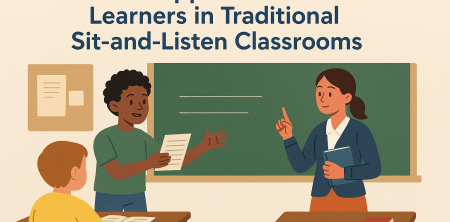
```html
In the realm of education, students come with diverse learning styles, and among them, kinesthetic learners are often the most underserved in traditional classrooms. These learners thrive on movement and hands-on experiences, making the conventional sit-and-listen format challenging for them. So how can teachers effectively support kinesthetic learners in a traditional educational framework? Here, we outline ten impactful strategies that can make a significant difference.
1. Incorporate Movement Breaks
One of the simplest yet most effective strategies for supporting kinesthetic learners is to integrate regular movement breaks into the lesson plan. These breaks can be as short as five minutes and can involve stretching, walking around the classroom, or quick physical exercises. Research shows that short bursts of physical activity can enhance focus and retention, helping students recharge their brains.
For example, after a 20-30 minute lecture, a teacher might lead a brief dance party or a series of jumping jacks. This not only re-energizes kinesthetic learners but also benefits their peers by reducing restlessness and increasing engagement.
2. Utilize Hands-On Learning Activities
Kinesthetic learners shine when they can directly interact with the material. Incorporating hands-on activities—like building models, conducting experiments, or using manipulatives—can cater to their learning style. For instance, in a science class, instead of just discussing the water cycle, students could create a mini-water cycle using a plastic container, water, and a heat source.
Such activities allow kinesthetic learners to physically engage with concepts, making it easier for them to understand and remember information. Furthermore, these tasks often enhance collaboration, as students typically work in groups, reinforcing social skills alongside academic ones.
3. Design Interactive Lessons
Transforming traditional lessons into interactive experiences is crucial for supporting kinesthetic learners. Teachers can utilize tools such as interactive whiteboards, student response systems, and digital platforms that allow for movement and participation. For example, instead of a lecture on geometric shapes, students could use software to manipulate shapes on a screen or create geometric art.
Interactive lessons can also include role-playing or simulations. A history lesson could involve students embodying historical figures, allowing them to engage with the material in a dynamic way. This not only aids kinesthetic learners but can enhance engagement for all types of learners in the classroom.
4. Offer Flexible Seating Options
Traditional classrooms often feature rigid seating arrangements that can stifle kinesthetic learners. Providing flexible seating options, such as standing desks, bean bags, or floor cushions, allows students to choose what works best for them. This choice can help kinesthetic learners feel more comfortable and engaged.
Moreover, allowing students to move to different seating areas during group work or discussions can promote collaboration and interaction. Flexible seating encourages an informal atmosphere, which can lead to increased participation and enthusiasm in learning.
5. Integrate Technology Wisely
Technology can be a powerful ally in supporting kinesthetic learners. There are numerous educational apps and programs that promote active learning through interactive tasks. For example, using augmented reality (AR) apps can allow students to explore complex subjects, such as anatomy or astronomy, in an immersive way.
Moreover, kinesthetic learners can benefit from gamified learning experiences. In these scenarios, students can engage with the material through games that encourage movement, such as scavenger hunts or interactive quizzes that require physical participation. This not only supports their learning style but also makes education fun and engaging.
6. Encourage Peer Collaboration
Group work can be particularly beneficial for kinesthetic learners, allowing them to learn from their peers while engaging in movement. By collaborating on projects, students can share ideas, discuss concepts, and physically manipulate materials together. Kinesthetic learners often thrive in environments where they can learn through discussion and teamwork. (See: CDC guidelines on physical activity.)
When assigning group projects, consider tasks that require active engagement, like creating presentations that involve building models or demonstrations. This active participation can help kinesthetic learners absorb information better, as they actively contribute to the learning process.
7. Provide Real-World Connections
Kinesthetic learners benefit greatly from understanding how their studies relate to real-world situations. Teachers can enhance lessons by sharing stories or examples that make connections to real-life experiences. For instance, in a math lesson, students could measure ingredients to bake a cake, linking math to culinary arts.
Field trips are another excellent way to make these connections tangible. Visiting local businesses, historical sites, or science centers gives kinesthetic learners the chance to engage with the material in a real-world context. These experiences can be motivational and spark a deeper interest in the subject matter.
8. Personalize Learning Experiences
Understanding that each kinesthetic learner is unique is vital. Personalized learning experiences that take into account individual interests and strengths can significantly boost engagement. Teachers can offer choices in how students demonstrate their understanding, whether that’s through a physical project, a presentation, or a creative expression like dance or drama.
For example, a student could choose to build a model of a volcano instead of writing a report. This not only aligns with their learning style but often results in higher-quality work and increased motivation, as students feel invested in their learning process.
9. Utilize Movement in Assessments
Assessments can often be a source of stress for kinesthetic learners, who might struggle with traditional testing formats. Instead, consider using assessments that allow for movement and creativity. For instance, instead of a written test, students could demonstrate their understanding through a performance, a group project, or a physical representation of the material they learned.
This approach not only alleviates anxiety for kinesthetic learners but also allows for a broader range of expression and understanding. It shifts the focus from rote memorization to practical application, which can be more aligned with how these students naturally learn.
10. Communicate with Parents
Finally, fostering open communication with parents about supporting kinesthetic learners is crucial. Teachers can collaborate with families to identify strategies that work at home and school. Sharing resources and tips can empower parents to create learning environments that complement their child’s learning style.
Additionally, teachers can encourage families to incorporate physical activity into their daily routines, such as family walks or incorporating educational games that require movement. This partnership can reinforce learning and help kinesthetic learners thrive both at home and in the classroom.
11. Understanding the Challenges Kinesthetic Learners Face
Supporting kinesthetic learners requires a deep understanding of the challenges they face, especially in a traditional classroom setting. These learners often struggle with sitting still for extended periods, which can lead to frustration and disengagement. For instance, a student who is naturally inclined to fidget may become a distraction to themselves and others, leading to disciplinary issues or negative feedback from teachers.
Research has shown that kinesthetic learners may also feel that their learning needs are not acknowledged. Studies indicate that these learners often report lower self-esteem and greater anxiety compared to their peers, as they may not perform as well on traditional assessments that favor auditory or visual learning styles. Recognizing these challenges is the first step toward creating a supportive environment that acknowledges and celebrates movement as a legitimate form of learning.
12. Statistics on Kinesthetic Learners
Understanding the prevalence and impact of kinesthetic learning can bolster efforts to support these students. Studies estimate that kinesthetic learners make up approximately 30% of the student population. This indicates a significant number of students who may not thrive in conventional learning environments that predominantly favor auditory and visual styles.
Further, research from the National Center for Learning Disabilities highlights that students who engage in physical activities during learning tend to retain information 20% more effectively than those who do not. This statistic underscores the importance of integrating movement into educational practices, especially for those learners who benefit from tactile experiences. (See: NIH information on physical activity and learning.)
13. Expert Perspectives on Supporting Kinesthetic Learners
Educators and experts emphasize the importance of adopting strategies that support kinesthetic learners. Dr. Barbara Oakley, an educator and author, discusses the significance of active learning in her work, highlighting that “the more involved the body is in the learning process, the more effective the learning becomes.”
Additionally, educational psychologist Dr. Patricia Wolfe suggests that incorporating movement not only aids kinesthetic learners but enhances cognitive function for all students. Dr. Wolfe states, “Movement increases blood flow to the brain, which can improve focus and cognitive processing.” This insight reinforces the notion that integrating movement is a beneficial strategy for inclusive education.
14. Examples of Kinesthetic Learning Activities
Here are some practical examples of kinesthetic learning activities that educators can easily implement:
- Science Experiments: Allow students to conduct simple experiments, such as mixing baking soda and vinegar to observe a chemical reaction.
- Math Manipulatives: Use blocks or counters to teach addition and subtraction, enabling students to physically manipulate numbers.
- Creative Arts: Engage students through drama or dance to express historical events or literary themes, fostering an immersive learning experience.
- Outdoor Learning: Incorporate nature walks to study local ecosystems, combining physical activity with environmental science.
- Role-Playing: Create scenarios where students must act out specific roles in a historical context, promoting deeper understanding through physical embodiment.
15. Frequent FAQ on Supporting Kinesthetic Learners
What are kinesthetic learners?
Kinesthetic learners are individuals who learn best through physical activities and hands-on experiences. They often prefer to touch, manipulate, and experiment with objects rather than simply listening to lectures or watching demonstrations.
How can I identify if my child is a kinesthetic learner?
Signs of kinesthetic learners include a tendency to fidget, difficulty sitting still for long periods, and a preference for learning through activities. They might excel in physical sports or crafts and may show interest in subjects that allow for practical application.
Are there specific subjects that kinesthetic learners tend to excel in?
Kinesthetic learners often excel in subjects such as physical education, science (especially experiments), art, and performing arts. Any subject that allows for hands-on involvement tends to engage them effectively.
Can kinesthetic learners succeed in traditional classrooms?
Yes, kinesthetic learners can succeed in traditional classrooms if supportive strategies are implemented. By incorporating movement, hands-on activities, and real-world connections, educators can create a more inclusive environment that caters to diverse learning styles.
How can parents support kinesthetic learners at home?
Parents can support kinesthetic learners by providing opportunities for physical activity, incorporating educational games that require movement, and encouraging projects that allow for hands-on engagement. Creating a dynamic home learning environment can reinforce school-based strategies.
16. Incorporating Multi-Sensory Approaches
To further support kinesthetic learners, educators can adopt a multi-sensory approach that combines visual, auditory, and tactile learning experiences. When lessons engage more than one sense, it can enhance understanding and retention. For instance, while teaching a new concept, a teacher might present a video (visual), discuss key points (auditory), and follow up with a hands-on project (tactile) that allows students to apply what they’ve learned.
By integrating various sensory modalities into lessons, teachers can create a richer learning environment that caters to all students, particularly those who learn best through active participation.
17. The Role of Physical Activity in Brain Development
Physical activity does not just support the emotional and physical needs of kinesthetic learners; it also plays a critical role in brain development. Research from the CDC indicates that regular physical activity improves cognitive function, which is essential for learning. It helps enhance memory, attention, and even creativity. For kinesthetic learners, activity can create pathways in the brain that make learning more effective.
Incorporating regular exercise into the school day, whether through physical education classes or activity breaks, can significantly boost brain performance and aid in the overall development of all students, but especially those who thrive on movement.
18. Creating a Movement-Friendly Environment
Creating a movement-friendly classroom environment can significantly enhance the learning experience for kinesthetic learners. This could include having space for students to move freely, using furniture that facilitates movement, or even incorporating tools such as balance balls or wobble stools. Such environments invite students to engage with their learning actively.
Additionally, incorporating movement into daily routines, like starting the day with a brief exercise or ending with a stretching session, can set a positive tone for learning and help students release pent-up energy.
19. Developing Self-Regulation Skills
Kinesthetic learners often need to develop self-regulation skills to manage their need for movement within a structured classroom environment. Teachers can help by setting clear expectations for when movement is appropriate and modeling ways to express their energy without disrupting others. Techniques such as mindfulness exercises or breathing techniques can also teach students how to calm themselves when they feel restless.
By fostering these skills, educators empower kinesthetic learners to self-manage their impulses and behavior, allowing them to thrive in both structured and unstructured situations.
20. Engaging with Community Resources
Community resources, such as museums, science centers, and local organizations, can be valuable partners in supporting kinesthetic learners. These places often offer workshops and programs that encourage hands-on learning and exploration, providing students opportunities to engage with content in meaningful ways outside the traditional classroom setting.
Establishing partnerships with local organizations can enrich the curriculum and provide kinesthetic learners with diverse experiences that broaden their understanding and spark their interest in various subjects.
In supporting kinesthetic learners, educators can transform the traditional sit-and-listen classroom into a vibrant environment that celebrates movement, creativity, and active participation. By implementing these strategies, teachers not only cater to the needs of kinesthetic learners but also enhance the educational experience for all students, fostering a more dynamic and inclusive classroom environment.
```
Trending Now
Frequently Asked Questions
How can teachers support kinesthetic learners?
Teachers can support kinesthetic learners by incorporating movement breaks, utilizing hands-on learning activities, and designing interactive lessons. These strategies help engage kinesthetic learners effectively in traditional classrooms, allowing them to thrive through movement and direct interaction with learning materials.
What are the best activities for kinesthetic learners?
The best activities for kinesthetic learners include hands-on tasks like building models, conducting experiments, and engaging in movement-based exercises. These activities allow students to physically interact with concepts, enhancing their understanding and retention of the material.
Why do kinesthetic learners struggle in traditional classrooms?
Kinesthetic learners often struggle in traditional classrooms due to the sit-and-listen format that does not cater to their need for movement and hands-on experiences. This can lead to disengagement and difficulty in retaining information when lessons lack interactive elements.
What are movement breaks and how do they help students?
Movement breaks are short intervals during lessons where students engage in physical activities, such as stretching or quick exercises. These breaks help refresh students' minds, enhance focus, and improve retention, making them particularly beneficial for kinesthetic learners.
How can interactive lessons benefit kinesthetic learners?
Interactive lessons benefit kinesthetic learners by allowing them to engage directly with the material, facilitating better understanding and retention. Incorporating activities that require movement and collaboration fosters a more dynamic learning environment tailored to their learning style.
Have you experienced this yourself? We'd love to hear your story in the comments.

