```html
When it comes to education, the concept of learning styles has been a hot topic for nearly four decades. At the heart of this debate lies the categorization of learners into three primary types: visual, auditory, and kinesthetic. This framework suggests that by tailoring educational approaches to match these styles, educators can enhance learning outcomes. But is this theory based on sound research, or is it merely a myth? In this article, we will explore the origins of the learning styles theory, examine its implications in educational settings, and analyze current research to determine whether these classifications hold any real value.
Understanding Learning Styles
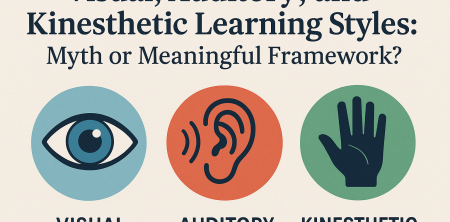
The learning styles theory gained significant traction in the 1980s, largely due to the work of educational psychologist Neil Fleming. He introduced the VARK model, which stands for Visual, Auditory, Reading/Writing, and Kinesthetic. According to Fleming, individuals have preferred modalities that influence how they absorb and process information. For instance:
- Visual learners prefer diagrams, charts, and other visual aids to grasp complex ideas.
- Auditory learners thrive on listening — lectures, discussions, and audio materials resonate more with them.
- Kinesthetic learners engage best through hands-on experiences and real-world applications.
Despite the widespread acceptance of this theory, researchers have begun to question its validity, suggesting that the categorization may be overly simplistic and not necessarily supported by robust evidence.
The Origins of the Learning Styles Debate
The origins of the learning styles debate can be traced back to cognitive psychology and theories related to how information is processed. The notion that different individuals learn in distinct ways emerged as educators sought to improve teaching methods and cater to diverse student needs. However, it's essential to differentiate between the appeal of the learning styles concept in classrooms and the empirical data that supports or refutes its efficacy.
Over the years, numerous studies have aimed to validate learning styles. However, many of these investigations have yielded inconclusive results. A landmark review of 13 studies conducted by the National Center for Learning Disabilities in 2018 concluded that there was no substantial evidence to support the effectiveness of tailoring instruction based on learning styles. This revelation sparked renewed scrutiny of the learning styles framework and its role in contemporary education.
Key Points in the Learning Styles Argument
The learning styles debate centers around several key points:
- Individual Differences: Proponents argue that understanding learning styles can lead to personalized education that enhances student engagement and comprehension.
- Teaching Effectiveness: Many educators believe that adapting their teaching strategies to align with students' preferred learning styles can improve outcomes.
- Critiques of the Model: Skeptics maintain that learning styles lack empirical support and argue for a more integrated approach to teaching that considers multiple modalities.
These points highlight the complexity of the conversation around learning styles and underscore the need for a nuanced perspective on how students learn.
The Case for Visual Learning
Visual learning, characterized by an emphasis on imagery, diagrams, and spatial understanding, has garnered a significant following. Many students report that they remember information better when it is presented visually. For example, a study published in the Journal of Educational Psychology indicated that visual aids significantly improved retention rates among students. However, while this aligns with the experiences of many learners, it raises the question of whether this is due to a distinct visual learning style or simply the effectiveness of visual stimuli in general.
Visual learning can be particularly beneficial in subjects that require spatial reasoning, such as mathematics and science. Furthermore, visual aids can serve as a bridge for learners who may struggle with traditional textual materials. Yet, the danger lies in assuming that all students who find visual materials helpful are exclusively visual learners. Many individuals benefit from a combination of modalities, suggesting that a flexible approach to teaching may serve students better than strict adherence to learning styles.
The Role of Auditory Learning
Auditory learning, defined by a preference for sound-based information processing, has its own set of advocates. Auditory learners often excel in discussions, lectures, and audio resources. They may also find it easier to remember information presented through storytelling or verbal explanations. Studies indicate that auditory learning can enhance literacy skills and improve language acquisition.
However, like visual learning, the auditory style is often oversimplified. While some learners may respond better to auditory materials, the effectiveness of this approach can vary widely among individuals. For instance, a student who struggles with attention may find it challenging to absorb information presented through lectures alone. Thus, educators must explore various teaching methods that engage multiple senses rather than relying solely on auditory cues. (See: Research on learning styles from ScienceDirect.)
Kinesthetic Learning: Learning by Doing
Kinesthetic learning emphasizes movement and hands-on experiences. This style resonates with learners who absorb information best through physical activity and direct engagement with materials. Kinesthetic learners often thrive in environments where they can manipulate objects or participate in simulations.
Research supports the idea that movement can enhance cognitive function and memory retention. For instance, a study published in the International Journal of Science Education found that students who engaged in hands-on activities demonstrated greater understanding and retention of scientific concepts than those who learned through traditional lecture methods.
While kinesthetic learning holds promise, it is crucial to recognize that not every student will benefit from this approach alone. Educational settings that incorporate various modalities are likely to create a more inclusive environment that accounts for the diverse needs of all learners.
The Interplay of Learning Styles and Teaching Methods
One of the significant criticisms of the learning styles framework is that it often leads to a rigid categorization of students. The idea that each student fits neatly into one type can be misleading. In reality, learners are complex individuals who may draw upon different styles in different contexts or subjects.
Research from the University of California, Berkeley, highlights the importance of employing a mix of teaching strategies to engage students effectively. This approach encourages educators to design lessons that incorporate visual, auditory, and kinesthetic elements, ensuring that all students have the opportunity to thrive. Rather than pigeonholing students into specific categories, teachers should foster an environment that accommodates diverse learning preferences.
Current Relevance of Learning Styles in Education
Despite the criticisms surrounding learning styles, the concept persists in educational discourse. Many teachers still use learning styles as a framework for lesson planning and student engagement. This continued relevance may stem from the intuitive appeal of categorizing learners based on their preferences and creating personalized learning experiences.
However, educators must remain cautious about overemphasizing learning styles. A focus on these categories can distract from more effective instructional strategies. For instance, research suggests that encouraging students to engage with materials in varied ways — regardless of their purported learning style — can lead to deeper understanding and retention.
Practical Insights for Educators
So, what does this mean for educators aiming to enhance student learning? Here are some practical insights:
- Use a multimodal approach: Incorporate a variety of teaching methods in your lessons to engage all learners. This could mean blending lectures with group discussions, multimedia presentations, and hands-on activities.
- Encourage student agency: Allow students to choose how they engage with materials. This could involve offering options for projects or assessments that align with their interests and strengths.
- Focus on core principles of learning: Emphasize critical thinking, problem-solving, and collaboration in your teaching rather than relying solely on adapting to learning styles.
By embracing these strategies, educators can foster a more inclusive and effective learning environment that meets the needs of diverse learners.
The Future of Learning Styles in Education
As we look to the future of education, the discussion surrounding learning styles is likely to evolve. While the concept may never completely disappear, the growing body of research suggests a shift toward a more integrated approach to understanding how students learn.
Incorporating insights from neuroscience and cognitive psychology, future educational models may focus on the importance of adaptive learning environments that cater to individual needs while also promoting collaborative learning experiences. By moving beyond rigid classifications, educators can tap into the full potential of their students.
A Balanced Perspective on Learning Styles
Ultimately, the conversation around learning styles is not about dismissing the idea outright but rather finding a balanced perspective. While the concept may offer some valuable insights into individual preferences, it should not be the sole determinant of teaching strategies. Instead, educators should prioritize flexibility, creativity, and inclusivity in their approaches.
In a rapidly changing educational landscape, it's crucial to recognize the complexity of how students learn. By acknowledging that learners are multifaceted and often draw on various modalities, teachers can create a more vibrant and effective learning environment. As research continues to evolve, educators will be better equipped to refine their practices and ultimately support student success.
Critiques of Learning Styles: A Closer Look
While the learning styles theory has gained popularity, it is essential to scrutinize its critiques. Many educational experts argue that the reliance on learning styles oversimplifies the intricacies of human cognition and learning processes. Some key critiques include:
- Over-Simplification: Critics argue that categorizing students into distinct styles ignores the complexity of learning, which can be influenced by various factors, including context, subject matter, and the learner's background.
- Lack of Empirical Evidence: Much of the research supporting learning styles is anecdotal, lacking rigorous scientific validation. Educational interventions based on these styles have not consistently demonstrated superior outcomes when compared to more holistic teaching strategies.
- Potential for Misuse: Teachers may inadvertently limit their teaching methods by adhering too strictly to learning styles, potentially neglecting the benefits of a more varied approach that caters to all students.
Recent Research Findings
Recent studies have further explored the validity of learning styles, often concluding that while learners may have preferences, these do not significantly impact their learning outcomes. A meta-analysis conducted in 2021 examined the effects of learning styles on educational performance and found minimal correlation. This suggests that employing a diverse range of teaching methods is more beneficial than targeting specific learning styles.
Another noteworthy study published in 2022 highlighted the effectiveness of a universal design for learning (UDL) approach, which promotes flexible learning environments that accommodate all students. This model aligns with techniques that foster engagement and understanding across various modalities, suggesting that flexibility in teaching is more advantageous than rigid adherence to learning styles.
Creating a Multimodal Learning Environment
To effectively address the diverse needs of students, educators can create a multimodal learning environment that incorporates various methods of instruction. This means blending visual aids, auditory resources, and kinesthetic activities to reach all learners. Here are some suggestions for implementing a multimodal approach:
- Utilize Technology: Incorporate digital tools that can present information in multiple formats, such as video tutorials, interactive simulations, and online discussions.
- Encourage Group Work: Foster collaboration among students by encouraging group projects that allow for different roles and contributions, appealing to various learning styles.
- Incorporate Movement: Include physical activities or experiments in your lessons to engage kinesthetic learners, making learning more dynamic.
This approach not only encourages engagement but also helps students develop a more comprehensive understanding of the material as they interact with it from multiple perspectives.
The Importance of Teacher Training
For educators to effectively implement a multimodal approach, proper training and professional development are crucial. Understanding the nuances of how students learn and the limitations of learning styles can empower teachers to adopt more effective strategies. Here are some key areas to focus on in teacher training:
- Understanding Learning Theory: Educators should be familiar with various learning theories beyond just learning styles, including constructivism and experiential learning. This knowledge can guide their teaching approaches.
- Assessing Student Needs: Training should emphasize the importance of assessing individual student needs and preferences to create a more tailored learning experience.
- Flexibility in Teaching: Teachers should be encouraged to experiment with different instructional methods and remain adaptable in their approaches to accommodate the varying needs of their students.
Frequently Asked Questions about Learning Styles
What are the most common learning styles?
The most common learning styles include visual, auditory, reading/writing, and kinesthetic as outlined by the VARK model. Each style represents different preferences in how individuals absorb and process information.
Do learning styles affect academic performance?
Research has shown that while students may have preferences for how they learn, these preferences do not necessarily predict academic success. A multimodal approach is often more effective than focusing solely on learning styles.
How can I identify my learning style?
Many online quizzes and assessments claim to identify your learning style, but it’s important to remember that learning is complex and fluid. Consider reflecting on how you prefer to learn in different contexts, and be open to using various methods.
Can learning styles change over time?
Yes, a person’s learning preferences can evolve based on experiences, subject matter, and context. Flexibility in learning is essential, and individuals often benefit from employing multiple modalities.
What should educators focus on instead of learning styles?
Instead of strictly adhering to learning styles, educators are encouraged to focus on a holistic approach to teaching that includes critical thinking, problem-solving, and collaboration. Creating a flexible learning environment that accommodates diverse needs is key.
Expanding the Learning Styles Framework
While the learning styles theory has faced significant scrutiny, there are opportunities to expand this framework into more nuanced approaches. Educational institutions can shift focus from rigid categories to more adaptive, flexible teaching practices that acknowledge the complexity of how individuals learn. One approach is to consider the concept of "learning profiles," which encompass a variety of factors influencing learning, such as cultural background, interests, and emotional state. By acknowledging these dimensions, educators can better tailor their strategies to engage students effectively.
Integrating Learning Styles with Other Educational Theories
Another promising avenue is the integration of learning styles with other educational theories. For example, the constructivist approach emphasizes that learners construct their knowledge actively rather than passively absorbing information. This perspective aligns well with the idea that diverse learning strategies should be employed. When educators integrate learning styles within a constructivist framework, they can promote a more comprehensive understanding of the material while still considering individual preferences.
The Role of Emotional Intelligence in Learning
Emerging research indicates that emotional intelligence (EI) plays a critical role in the learning process. Understanding how emotions influence learning can enhance the effectiveness of teaching strategies. For instance, students who are more emotionally aware tend to have better self-regulation and motivation, which can enhance their learning experience. Integrating emotional intelligence training into the curriculum can complement traditional learning styles approaches, helping students not only to learn better but also to understand their emotional responses to learning challenges.
Statistics on Learning Preferences
To shed light on how widespread these learning styles concepts remain, consider these statistics:
- According to a survey conducted by the National Education Association, approximately 70% of teachers believe in the efficacy of differentiating instruction based on learning styles.
- A report from the Learning Styles Network found that around 85% of students feel they learn best when taught according to their personal learning preferences.
- Research from the University of Michigan indicated that students who engage in multimodal learning environments show a 25% increase in retention rates compared to those taught with a single method.
These statistics highlight the continued relevance and perception of learning styles among educators and students, despite ongoing debates in the academic community.
```
Trending Now
Frequently Asked Questions
What are the different learning styles?
The primary learning styles include visual, auditory, and kinesthetic. Visual learners prefer diagrams and charts, auditory learners benefit from lectures and discussions, while kinesthetic learners excel with hands-on experiences. These classifications help educators tailor their teaching methods to meet diverse student needs.
Is the learning styles theory supported by research?
Current research suggests that the learning styles theory may not be robustly supported. While the concept gained popularity in the 1980s, many experts believe the categorization of learners into distinct styles is overly simplistic and lacks substantial evidence.
Who developed the VARK model of learning styles?
The VARK model, which categorizes learning into Visual, Auditory, Reading/Writing, and Kinesthetic styles, was developed by educational psychologist Neil Fleming. This model aimed to help educators understand how different individuals absorb and process information.
How can understanding learning styles improve education?
Understanding learning styles can help educators tailor their teaching strategies to match students' preferences, potentially enhancing engagement and comprehension. By recognizing the different ways students learn, teachers can create more effective and inclusive educational experiences.
What are the criticisms of the learning styles framework?
Critics argue that the learning styles framework is not scientifically valid and may oversimplify the complexity of how individuals learn. They suggest that focusing too much on these categories could hinder effective teaching and learning, as it overlooks the multifaceted nature of education.
What's your take on this? Share your thoughts in the comments below — we read every one.

