```html
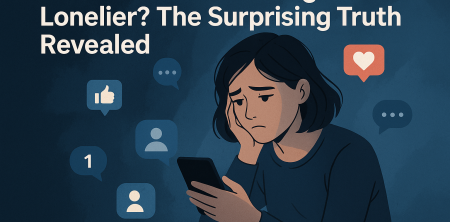
In an age where social media is woven into the fabric of daily life, few people can escape the pervasive influence of platforms like Facebook, Instagram, and Twitter. As these digital spaces expand, so does the conversation about their impact on mental health, particularly concerning loneliness and social media. While these platforms promote connectivity, recent studies reveal a troubling correlation: the more time people spend engaging in passive social media use, the lonelier they tend to feel.
The Paradox of Connection
It might seem counterintuitive at first. After all, social media was designed to bring people together. Yet, the reality is that many users experience increased feelings of isolation despite having hundreds or even thousands of online connections. The concept of being "alone together" captures this phenomenon well. People scroll through endless feeds filled with images of friends and acquaintances but often miss genuine, meaningful interactions that promote true connection.
The Research Behind Loneliness and Social Media
A comprehensive review of multiple studies indicates a clear pattern: individuals who engage more in passive social media activities—like scrolling without actively participating—are more likely to report feelings of loneliness. This type of engagement contrasts sharply with active participation, such as commenting and sharing content, which seems to foster a greater sense of community.
One significant study cited in this research examined the behaviors of college students and found a direct link between high levels of passive social media use and increased feelings of loneliness. Participants who primarily used social media for passive consumption, rather than interaction, reported feeling more isolated.
Understanding Passive vs. Active Social Media Use
To navigate the complexities of loneliness and social media, it’s crucial to understand the difference between passive and active use. Passive use refers to scrolling through feeds, watching videos, and consuming content without engaging with it. In contrast, active use involves liking, commenting, or sharing posts, which can create a sense of connection.
Research suggests that passive users often compare their lives to the curated, idealized versions presented by others online. This comparison can lead to feelings of inadequacy and loneliness. In essence, passive consumption may provide the illusion of connection but ultimately intensifies feelings of isolation.
The Role of Social Comparison
Social comparison plays a significant role in the relationship between loneliness and social media. Users often find themselves measuring their lives against the highlight reels of others. This constant comparison can have detrimental effects on self-esteem and overall well-being.
For example, a study published in the journal *Cyberpsychology, Behavior, and Social Networking* highlighted that individuals who frequently evaluate their social status based on social media activity suffer from lower self-esteem and a heightened sense of loneliness. These findings underscore the need for users to cultivate a critical awareness of how social media affects their mental state.
The Emotional Toll of Digital Connectivity
The emotional toll of digital connectivity is profound. While social media promises to keep us connected, it can sometimes deepen feelings of loneliness. Users often feel pressured to present a perfect image of their lives, leading to anxiety and feelings of inadequacy.
Moreover, the absence of physical interaction may exacerbate these feelings. While a text message or a social media post can provide quick gratification, they lack the depth and emotional richness of face-to-face communication. This can lead individuals to feel more disconnected from their friends and family, despite being "connected" online. (See: study on social media and loneliness.)
The Impact of Loneliness on Mental Health
Loneliness is not just an emotional state; it has significant implications for mental health. Studies show that prolonged loneliness can lead to serious health issues, including depression, anxiety, and even cardiovascular problems. Researchers have noted that social isolation can be as detrimental to health as smoking fifteen cigarettes a day.
In the context of loneliness and social media, this becomes particularly concerning. As users engage more in passive consumption, their risk for loneliness—and consequently its associated health risks—may increase. This cycle underscores the importance of understanding how our online habits affect our mental health.
Strategies for Healthier Social Media Use
With the knowledge of the potential pitfalls of social media, it's crucial to develop healthier habits. Here are some practical strategies to consider:
- Limit Passive Scrolling: Set boundaries on your social media use. Allocate specific times for checking your feeds and stick to it.
- Engage Actively: Make a conscious effort to comment on posts, send messages, or initiate conversations. This can help foster deeper connections.
- Curate Your Feed: Follow accounts that inspire and uplift you. Unfollow those that trigger feelings of inadequacy.
- Practice Mindfulness: Be aware of how social media affects your mood. If you notice feelings of loneliness creeping in, take a break.
- Seek Offline Connections: Prioritize face-to-face interactions whenever possible. Plan outings with friends or engage in community activities to build real-life connections.
The Role of Content Creation
Interestingly, creating content rather than consuming it can lead to a more positive experience on social media. Engaging in activities like blogging, vlogging, or sharing personal stories can encourage connection and foster community. When users express themselves, they open up opportunities for dialogue and interaction.
This shift from consumption to creation allows individuals to take charge of their social media experience. Instead of passively scrolling through others' lives, they become active participants in their online community, which can significantly reduce feelings of loneliness.
The Importance of Genuine Connections
At the end of the day, the essence of combating loneliness lies in forming genuine connections. Social media can facilitate this, but it requires active participation and intention. Building relationships based on authentic interactions can create a buffer against the negative effects of loneliness.
For instance, engaging in group chats with friends or joining online communities that share your interests can help bridge the gap between online and offline interactions. These connections can foster a sense of belonging and alleviate feelings of isolation.
Rethinking Our Social Media Strategies
As more people continue to acknowledge the impact of social media on their mental health, rethinking strategies for engagement becomes necessary. Here are some additional considerations:
- Digital Detox: Regularly disconnecting from social media, even for a few hours or days, can help recalibrate your emotional state. A digital detox can give you space to reflect on how social media affects your feelings of loneliness.
- Mindful Engagement: Before you log in, ask yourself why you’re reaching for your phone. Are you looking for connection, distraction, or validation? Being mindful of your intentions can guide healthier social media habits.
- Connect Through Shared Interests: Participate in online forums or groups that align with your hobbies. Finding like-minded people can foster genuine friendships and mitigate feelings of loneliness.
The Effects of Loneliness in Different Age Groups
Loneliness manifests differently across age groups, and social media plays various roles in these experiences. For instance:
- Teenagers: Adolescents often turn to social media for validation and connection. However, studies show that heavy social media use can lead to increased feelings of loneliness due to social comparison and cyberbullying.
- Young Adults: Young adults may use social media to navigate new relationships and build their social networks. Yet, they can still experience loneliness when they rely excessively on digital interactions over meaningful connections.
- Older Adults: Older generations may rely on social media to connect with friends and family, particularly if mobility is an issue. However, they might struggle with technology, leading to feelings of frustration and loneliness if they can’t engage effectively.
Statistics on Loneliness and Social Media
Several studies have explored the relationship between loneliness and social media use, yielding some striking statistics:
- A 2019 study published in the *American Journal of Preventive Medicine* indicated that adults aged 19 to 32 who spent more than two hours per day on social media were twice as likely to report feelings of social isolation compared to their peers who spent less time on these platforms.
- Research from the University of Pennsylvania found that limiting social media use to just 30 minutes a day led to a significant decrease in feelings of loneliness and depression among participants.
- The Pew Research Center reported that 54% of teens feel overwhelmed by the drama on social media, which can exacerbate feelings of loneliness and isolation.
Expert Perspectives on Loneliness and Social Media
Experts in psychology and sociology have weighed in on the complex relationship between social media and loneliness. Dr. Julianne Holt-Lunstad, a professor of psychology, emphasizes that social media can serve as a double-edged sword. She explains that while it provides a platform for connection, it can also lead to feelings of inadequacy and loneliness, especially when users rely on it for social validation. (See: BBC report on social media effects.)
Dr. Sherry Turkle, an MIT professor and author of *Alone Together*, argues that technology creates an illusion of companionship without the demands of friendship. This can leave individuals feeling lonelier than before. She advocates for a return to face-to-face conversations to build deeper connections.
Common FAQs about Loneliness and Social Media
What are the signs that social media might be affecting my mental health?
Signs include increased feelings of loneliness, anxiety when not checking your accounts, comparing yourself negatively to others, and experiencing a decrease in face-to-face interactions.
How can I tell if I'm using social media passively or actively?
If you're simply scrolling through your feed without liking or commenting, you’re likely engaging in passive use. Active use involves interacting with others through comments, likes, or sharing content.
Can social media ever be a positive influence on mental health?
Yes, when used mindfully, social media can offer support networks, facilitate connections with friends and family, and provide resources for mental health awareness and education.
How often should I take breaks from social media?
Taking regular breaks, such as a day or a weekend without social media, can help reset your emotional state. It's also beneficial to establish tech-free times during your day, like during meals or before bed.
Is there a link between the type of social media platforms used and feelings of loneliness?
Yes, different platforms can elicit various emotional responses. For instance, visual platforms like Instagram may lead to more social comparison, while platforms focused on community, like Reddit, might foster a stronger sense of belonging.
The Consequences of Loneliness Beyond Mental Health
Loneliness isn't just an emotional experience; it can also have far-reaching effects on physical health. Chronic loneliness is associated with a range of health issues, including weakened immune function, increased inflammation, and higher risk of chronic diseases like heart disease and diabetes. A study published in *Perspectives on Psychological Science* indicated that loneliness can increase the risk of premature death, comparable to well-established risk factors like obesity and smoking.
Furthermore, loneliness can impact cognitive functioning. Research shows that socially isolated individuals may experience quicker cognitive decline and have a higher risk of developing conditions like Alzheimer's disease. The interplay between loneliness, social media, and overall health emphasizes the importance of nurturing connections in our everyday lives.
Social Media's Influence on Relationships
The rise of social media has fundamentally shifted how we build and maintain relationships. While these platforms offer new avenues for connection, they also change the dynamics of our interactions. For example, people might opt to text rather than meet up in person, leading to less meaningful exchanges. Over time, this can weaken the bonds we share with others, making it easier to feel lonely even when we’re connected online.
Additionally, social media can lead to misunderstandings and conflicts. Misinterpretations of tone or intent in messages can escalate tensions that might be easily resolved through face-to-face conversations. Recognizing and navigating these complexities is crucial for maintaining healthy relationships in the digital age.
How Different Cultures Perceive Loneliness and Social Media
The experience of loneliness and the impact of social media can differ significantly across cultures. For instance, in collectivist societies, where community and family ties are emphasized, social media may serve as a tool to reinforce these bonds. People might use platforms to share family gatherings, celebrate communal events, and maintain close connections with extended family.
Conversely, in more individualistic cultures, social media use can sometimes foster a sense of independence that may lead to increased feelings of loneliness. The emphasis on personal achievement and self-presentation can amplify social comparison, leading individuals to feel isolated despite their connections. Examining cultural perceptions of loneliness and social media can provide valuable insights into how different societies cope with and address these issues.
Future Directions: Research and Social Media Development
As we continue to explore the intricate relationship between loneliness and social media, future research will be vital in understanding how these platforms can be modified to promote healthier interactions. For example, studies could focus on how algorithm changes might reduce negative social comparison or enhance user control over their online experience.
Furthermore, as new platforms emerge, their design and user interface can play a significant role in how users interact. Developers might consider integrating features that encourage active engagement and support meaningful connections. Social media's evolution will likely continue to impact mental health, making ongoing research essential.
Final Thoughts: Rethinking Our Relationship with Social Media
As we navigate the complexities of modern life, understanding the dynamics of loneliness and social media is crucial. While these platforms offer an opportunity for connection, they can equally exacerbate feelings of isolation if used mindlessly. By remaining conscious of how we engage with social media, we can foster healthier relationships—both online and offline.
Ultimately, it’s about balance. Embracing active engagement, curating our feeds, and prioritizing real-world interactions can help us mitigate the loneliness that often lurks beneath the surface of our digital lives. So, the next time you find yourself scrolling endlessly, consider switching gears. Reach out, engage, and foster those connections that truly matter.
```
Trending Now
Frequently Asked Questions
Does social media make you feel lonely?
Yes, research indicates that social media can contribute to feelings of loneliness. Users who engage in passive activities, like scrolling through feeds without interacting, often report higher levels of isolation compared to those who actively participate.
What is passive social media use?
Passive social media use refers to activities such as scrolling through feeds or viewing posts without engaging in discussions or interactions. This type of use has been linked to increased feelings of loneliness, as it lacks meaningful connections.
How does social media affect mental health?
Social media can have both positive and negative effects on mental health. While it enables connection, excessive passive use can lead to feelings of loneliness and isolation, as users may miss out on genuine interactions.
What is the paradox of connection in social media?
The paradox of connection suggests that while social media is designed to connect people, it can lead to feelings of isolation. Users may have numerous online connections but still lack meaningful, face-to-face interactions, resulting in loneliness.
Can active social media use reduce loneliness?
Yes, engaging in active social media use, such as commenting and sharing content, can foster a greater sense of community and connection. This type of participation is associated with lower feelings of loneliness compared to passive use.
Agree or disagree? Drop a comment and tell us what you think.

