```html
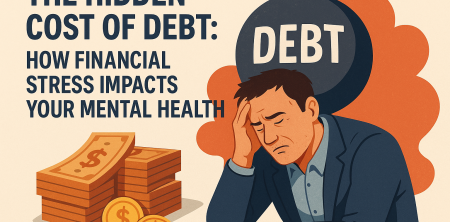
Debt isn’t just a financial burden; it can wreak havoc on your mental health. Numerous studies have delved into the intricate relationship between financial stressors and psychological well-being. One particularly compelling systematic review highlights the alarming connection between higher household debt and increased symptoms of depression. This relationship is especially relevant in today's economic climate, where rising inflation and living costs leave many feeling financially strained. Understanding the impacts of debt and mental health is crucial for those grappling with financial worries and their psychological implications.
The Emotional Toll of Debt
When we think of debt, we often focus on numbers—interest rates, monthly payments, and total amounts owed. However, the emotional ramifications can be far-reaching. Research has shown that individuals carrying significant debt often face feelings of anxiety, shame, and hopelessness. This emotional strain can lead to more severe mental health issues, including depression. As the burden of financial obligations grows, so does the pressure to find relief, which can feel insurmountable for many.
The systematic review indicates that increased household debt correlates strongly with heightened depression symptoms. This vital connection serves as a wake-up call for those dismissing financial stress as merely a temporary inconvenience. Instead, it underscores the need for a comprehensive approach to financial health that considers the psychological effects of debt.
The Link Between Debt and Depression
According to the systematic review, the relationship between debt and mental health is not merely anecdotal; it is backed by substantial evidence. For instance, individuals with high debt levels frequently report experiencing substantial emotional distress, which manifests as depressive symptoms. This is particularly concerning in households struggling with balancing essential living costs against rising debt levels, as the stress can quickly become overwhelming.
Depression, characterized by persistent sadness and a lack of interest in daily activities, can be both a cause and a consequence of financial instability. Those already suffering from depression may find it challenging to manage their finances effectively, creating a vicious cycle that can be difficult to escape.
Financial Stress in Today's Economy
Currently, inflation rates are soaring, and the cost of living continues to climb. Many households are feeling the pinch, and this economic environment can exacerbate feelings of financial stress. As expenses rise, so does reliance on credit, leading to increased debt. The intersection of these factors is particularly alarming for mental health, especially when considering how many individuals are already struggling with economic uncertainty.
In this context, understanding the link between debt and mental health becomes imperative. Financial difficulties can create a sense of helplessness and despair, contributing to a decline in psychological well-being. It’s clear that this issue is not just about money; it’s about the quality of life and emotional stability.
Real-World Examples of Debt Affecting Mental Health
To illustrate the real-world impacts of debt on mental health, consider the story of Sarah, a single mother of two who recently lost her job. Facing mounting bills and unpaid debts, Sarah’s mental health began to deteriorate. She found herself unable to sleep, increasingly anxious about her financial future, and isolated from friends and family. In her case, the financial strain directly contributed to feelings of depression, creating a cycle that seemed impossible to break.
Sarah's experience is not unique. Many individuals find themselves in similar predicaments, where financial obligations lead to significant emotional distress. The systematic review emphasizes that these real-life stories underline the pressing need to address the mental health impacts of debt.
The Importance of Addressing Mental Health in Financial Planning
Given the clear ties between debt and mental health, it’s vital for financial advisors and mental health professionals to collaborate. Integrating mental health considerations into financial planning can help individuals better manage their emotional well-being while tackling their financial challenges. This holistic approach can empower people to take control of their finances without sacrificing their mental health. (See: systematic review on debt and mental health.)
Financial education programs that incorporate mental health resources can also play a significant role. Teaching individuals not only how to budget and save but also how to cope with the emotional aspects of managing debt can lead to more sustainable financial habits and improved mental well-being.
Creating a Support System
No one should navigate the burden of debt alone. Building a support system is crucial for maintaining mental health during financially stressful times. Friends, family, or support groups can provide both emotional and practical assistance. Speaking openly about financial struggles can help reduce feelings of shame and helplessness, fostering an environment of understanding and support.
Additionally, seeking professional help, such as therapy or financial counseling, can provide valuable tools for coping with both debt and depression. Therapists can help individuals develop healthy coping mechanisms, while financial counselors can aid in creating a practical plan for managing debt.
Practical Strategies for Managing Debt and Mental Health
For those struggling with the dual burdens of debt and mental health challenges, practical strategies can make a significant difference. Here are some actionable steps to consider:
- Create a Budget: Understanding your income and expenses is crucial. A clear budget can help you identify areas where you can cut back, making debt more manageable.
- Prioritize Self-Care: Financial stress can take a toll on mental health, so prioritize activities that promote well-being, such as exercise, meditation, or hobbies.
- Seek Professional Help: Don’t hesitate to reach out to mental health professionals or financial advisors who can provide tailored support.
- Communicate: Talk openly with friends or family members about your financial situation and mental health. Sharing your struggles can lighten the emotional load.
- Set Realistic Goals: Break down larger financial goals into smaller, achievable steps to avoid feeling overwhelmed.
The Role of Policy in Addressing Debt and Mental Health
While individual actions are vital, addressing the broader societal issues surrounding debt and mental health requires systemic change. Policymakers must consider the psychological impacts of debt when crafting economic policies. Initiatives aimed at reducing the burden of debt—such as debt relief programs, financial education, and mental health resources—can help create a more supportive environment for individuals grappling with these issues.
By advocating for policies that address both financial stability and mental health, we can foster a culture that prioritizes psychological well-being alongside economic health. This approach can lead to lasting change, improving the lives of countless individuals affected by the pressures of debt.
Understanding the Intersection of Debt and Mental Health
To fully grasp how debt impacts mental health, it's essential to explore the underlying mechanisms. Financial stress can trigger a cascade of emotional responses. When individuals face overwhelming debt, their sense of security and control diminishes. This loss often leads to feelings of inadequacy and stress, which can exacerbate existing mental health conditions or even lead to new ones.
Statistics reveal that financial stress is a major contributor to mental health issues. According to a 2021 report from the American Psychological Association, 72% of Americans reported feeling stressed about money at some point in their lives. The same report indicated that this financial stress directly correlates with anxiety and depression levels. This highlights the urgency of addressing both financial and mental health challenges concurrently.
Stories of Recovery: Overcoming Debt and Mental Health Struggles
The journey of overcoming debt and its mental health implications can be daunting but not impossible. Consider the case of John, who faced bankruptcy due to medical bills after a severe health crisis. Initially, he found himself in a dark place, battling depression and anxiety. However, through a combination of therapy and financial counseling, John developed a plan to manage his debt while also addressing his mental health needs.
Through therapy, he learned coping strategies that allowed him to reduce his anxiety and rebuild his self-esteem, which had been impacted by his financial situation. With the help of a financial counselor, John created a debt repayment plan that felt manageable. As he made progress, he noticed significant improvements in his mental health. His story serves as a powerful reminder that recovery is possible when individuals seek help and take proactive steps towards change.
Expert Perspectives on Debt and Mental Health
Experts in both financial planning and mental health stress the importance of a dual approach to tackling the issues of debt. Dr. Susan H. McCarthy, a clinical psychologist specializing in financial therapy, states, “The mental health impacts of debt can be profound. It’s crucial to address both the emotional and financial aspects to create a lasting solution.” Her insights highlight the significance of combining psychological support with financial education to foster overall well-being.
Furthermore, financial expert James D. Henson emphasizes the role of financial literacy in mitigating mental health risks associated with debt. “Understanding financial products and making informed choices can significantly reduce anxiety related to money,” he notes. His perspective underscores the necessity of equipping individuals with the knowledge needed to navigate their financial situations confidently. (See: importance of mental health awareness.)
Frequently Asked Questions (FAQ)
1. How does debt affect mental health?
Debt can lead to increased stress, anxiety, and depression. The constant worry about financial obligations can create overwhelming feelings of hopelessness, which can negatively affect one's mental well-being.
2. What are some signs that debt is impacting my mental health?
Common signs include persistent feelings of anxiety, sadness, irritability, difficulty concentrating, and changes in sleeping or eating patterns. If you notice these symptoms, it may be beneficial to seek help.
3. Can therapy help me manage the stress related to debt?
Yes, therapy can provide valuable coping strategies for managing stress and anxiety related to debt. Therapists can help you process your feelings and develop healthier ways to handle financial challenges.
4. What practical steps can I take to alleviate financial stress?
Start by creating a budget, prioritizing self-care, communicating with loved ones about your situation, and seeking professional advice from financial counselors or therapists.
5. Are there support groups for those struggling with debt and mental health issues?
Yes, many communities offer support groups for individuals facing financial difficulties. These groups provide a space to share experiences and strategies for coping with both debt and mental health issues.
Understanding Coping Mechanisms
Coping mechanisms play a vital role in managing the mental health challenges associated with debt. It's essential to understand that not all coping strategies are healthy. For instance, some individuals may turn to substance abuse or unhealthy spending as a way to escape their financial realities. On the other hand, positive coping mechanisms can include mindfulness practices, physical exercise, and engaging in community support.
Mindfulness meditation has been shown to reduce anxiety and improve emotional regulation, making it a valuable tool for those feeling overwhelmed by financial stress. A study published in the journal "Psychological Science" found that mindfulness practices can even help individuals make better financial decisions by reducing impulsive spending and increasing patience.
The Impact of Debt on Relationships
Debt doesn’t just affect individuals; it can also strain relationships. Couples may find themselves arguing about finances, leading to resentment and conflict. The pressure of debt can sometimes create a divide between partners, where one feels more burdened than the other. Understanding this dynamic is crucial for maintaining relationship health in the face of financial stress.
Open communication is key. Couples should discuss their finances regularly to avoid misunderstandings. Setting joint financial goals can also create a sense of teamwork, helping partners feel more united in their approach to tackling debt. Additionally, seeking couple's therapy can provide a safe space to explore financial conflicts and strengthen the relationship.
Long-term Effects of Debt on Mental Health
The long-term mental health effects of living with debt can be significant. Chronic financial stress can lead to lasting anxiety and depression, affecting not only your emotional well-being but also your physical health. Research indicates that individuals with financial stress are at a higher risk for cardiovascular diseases and other serious health conditions. The constant state of stress can weaken the immune system, making individuals more susceptible to illnesses.
Moreover, the stigma associated with debt can further exacerbate feelings of isolation and shame. This can lead to a reluctance to seek help, creating a cycle of distress. Breaking this cycle requires both individual effort and societal change to reduce the stigma around financial difficulties.
Financial Literacy as a Mental Health Tool
Enhancing financial literacy can empower individuals to take control of their financial situations, thereby reducing anxiety and improving mental health. Financial literacy involves understanding how to manage money effectively, including budgeting, saving, and investing. Programs aimed at improving financial literacy can provide individuals with the skills needed to navigate their financial challenges successfully.
Research from the National Endowment for Financial Education found that individuals who participated in financial literacy programs reported lower levels of financial stress and improved mental health outcomes. This highlights the importance of equipping people with the tools they need to manage their finances confidently.
Seeking Professional Help: When and How
Recognizing when to seek professional help for debt-related mental health issues is crucial. If you find yourself feeling overwhelmed, hopeless, or unable to cope, it may be time to reach out to a professional. Look for someone who specializes in financial therapy or mental health counseling.
When seeking help, consider what type of professional will best meet your needs. A financial therapist can help you address both your financial situation and its emotional impacts. On the other hand, a licensed therapist can provide support for your mental health, focusing on coping strategies and emotional well-being.
In many cases, a combination of both types of professionals can offer a comprehensive approach to addressing both debt and mental health. Don’t hesitate to ask questions during your initial consultations to find the right fit for you.
Conclusion: A Call to Action
The relationship between debt and mental health is complex yet undeniable. As financial pressures mount in an increasingly demanding world, understanding this connection is more critical than ever. By acknowledging the psychological implications of debt, individuals can take steps to safeguard their mental health while managing financial responsibilities. Together, we can create a more supportive environment that recognizes the interplay between our finances and emotional well-being.
```
Trending Now
Frequently Asked Questions
How does debt affect mental health?
Debt can significantly impact mental health by causing feelings of anxiety, shame, and hopelessness. Research shows that individuals with high debt levels often experience increased symptoms of depression, highlighting the need to address both financial and psychological well-being.
What are the emotional effects of financial stress?
Financial stress can lead to a range of emotional effects, including anxiety, depression, and feelings of inadequacy. The pressure of managing debt can make individuals feel overwhelmed, which can exacerbate existing mental health issues.
Is there a link between debt and depression?
Yes, studies indicate a strong correlation between high household debt and increased symptoms of depression. The emotional strain caused by financial obligations can lead to significant psychological distress for many individuals.
What should I do if I'm stressed about debt?
If you're stressed about debt, it's essential to seek support. Consider talking to a financial advisor for practical solutions and a mental health professional to address the emotional impact. A comprehensive approach can help alleviate both financial and psychological burdens.
Can financial stress lead to mental health issues?
Absolutely. Financial stress is a significant contributor to mental health issues, including anxiety and depression. Understanding this connection is crucial for those dealing with financial worries, as it emphasizes the importance of addressing both financial and emotional health.
What's your take on this? Share your thoughts in the comments below — we read every one.

