```html
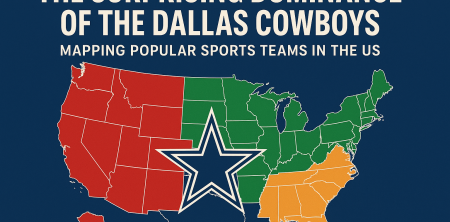
When it comes to sports fandom in the United States, a new study reveals a landscape filled with unexpected loyalties. The interactive maps produced in this analysis show that the popular sports teams in the US often transcend traditional geographic boundaries. Most notably, the Dallas Cowboys have emerged as the most beloved team across 12 states, a fact that defies the conventional wisdom of local team loyalty. This intriguing phenomenon has sparked lively debates and discussions among fans, making it a trending topic worth exploring.
1. The National Obsession with the Cowboys
Known as 'America's Team,' the Dallas Cowboys have effectively established a fan base that stretches far beyond their home state of Texas. This widespread appeal can be attributed to several factors, including the team's storied history, high-profile players, and consistent visibility in the media. Their five Super Bowl championships and iconic branding have cemented them as a cultural touchstone in American sports.
Interestingly, the data indicates that states like New York, California, and Florida, which have their own teams, still show a strong affinity for the Cowboys. The emotional connection many fans feel towards the Cowboys reflects a longing for a winning legacy, even if it means cheering for a team that isn’t local. This paradox raises questions about what it truly means to be a sports fan.
2. A Deep Dive into the Data
The recent analysis utilized data from social media engagement and Google search trends to identify the most popular sports teams across the country. The results were surprising. Beyond the Cowboys, teams like the Green Bay Packers, New England Patriots, and Los Angeles Lakers also demonstrated significant popularity, yet none matched the Cowboys' state dominance.
The methodology behind the study considered factors such as fan interactions on social media platforms and the volume of online searches related to team merchandise, game highlights, and fan events. This comprehensive approach not only highlights the Cowboys' reach but also sets the stage for comparison with other teams that command local loyalty.
3. Regional Variations in Team Loyalty
While the Cowboys dominate in many states, the data also showcases regional variations that highlight the complexity of sports loyalty in America. For instance, the New Orleans Saints reign supreme in Louisiana, where the team has become synonymous with local culture and pride following their Super Bowl win in 2010.
Similarly, the Pittsburgh Steelers find passionate support in Pennsylvania, showcasing how local teams can inspire intense loyalty. These teams often embody the spirit of their regions, enabling fans to connect on deeper emotional levels. Such regional loyalties stand in stark contrast to the Cowboys’ national appeal, provoking discussions among fans about the essence of loyalty.
4. Social Media: A Catalyst for Debate
The popularity of the Cowboys has led to a surge of social media discourse, with fans staunchly defending either their allegiance to local teams or the appeal of the Cowboys. Twitter and Facebook have become battlegrounds for debates, with fans often tagging friends and rivals in heated discussions about who deserves the title of the most popular sports team.
This lively back-and-forth has created an engaging environment for sports enthusiasts, where opinion and emotion run high. The power of social media in shaping fan identity cannot be understated, as platforms allow for immediate interaction and the sharing of personal experiences related to sports fandom.
5. The Impact of Historical Success
One of the key factors contributing to the Dallas Cowboys' broad popularity is their historical success. Winning five Super Bowl championships between 1972 and 1995 established the Cowboys as a force in the NFL. This success bred a sense of pride among fans, who often look back on these moments as defining aspects of their own lives.
The nostalgia associated with past victories plays a significant role in the Cowboys' current fan retention, particularly among those who grew up idolizing players like Troy Aikman and Emmitt Smith. This generational attachment to a winning past fuels current enthusiasm, allowing the Cowboys to remain relevant in discussions around popular sports teams in the US.
6. The Economic Influence of Team Popularity
The financial implications of being a popular team extend beyond merchandise sales and ticket sales. For the Cowboys, their brand’s value significantly affects the economy of the surrounding area, particularly in Arlington, Texas, where AT&T Stadium is located. Large events, including Super Bowls and concerts, contribute to local revenue while enhancing the team's stature. (See: Dallas Cowboys Wikipedia page.)
Other teams also experience similar economic boons. The Packers, for instance, have a unique ownership model that fosters community investment and engagement, making them another example of how popular teams can affect local economies. This economic impact adds another layer of significance to the conversation about team loyalty—it's not just about fandom; it's about community and financial stability.
7. Growing Trends in Sports Fandom
As sports entertainment evolves, so do fan engagement trends. The rise of streaming services and the increasing accessibility to games has transformed how fans connect with their teams, leading to a more broad-based fandom across various demographics. Younger fans may gravitate towards high-energy teams or those with strong social media presences.
Additionally, fantasy sports leagues have changed how fans engage with the NFL. Instead of solely rooting for one team, fans now invest in multiple players across different teams, complicating traditional loyalties. This evolution showcases how modern technology influences what it means to be a sports fan, creating a landscape where geographical ties may no longer dictate loyalty.
8. Future of Sports Fandom in America
The future of sports fandom is likely to be as dynamic as the current trends suggest. As the NFL continues to expand its reach both domestically and internationally, we may see shifts in popularity among teams. The Cowboys may retain their status as 'America's Team', but with the emergence of younger franchises and changing viewing habits, the map of popular sports teams in the US could look very different in just a few years.
Moreover, as social issues increasingly intersect with sports—be it through players advocating for change or teams engaging in community initiatives—we can expect these dimensions to influence fandom in significant ways. Fans may rally behind teams that resonate with their values, further complicating the traditional metrics of loyalty.
9. Popular Teams in Different Leagues
While the Dallas Cowboys are at the top of the NFL's popularity list, it's essential to recognize that fandom is not limited to just football. Different leagues have their own iconic teams that draw significant followings. In the NBA, for example, the Los Angeles Lakers and Boston Celtics are historic rivals with widespread fan bases. The Lakers, in particular, have a global brand thanks in part to stars like Kobe Bryant, Shaquille O'Neal, and LeBron James.
In Major League Baseball, the New York Yankees dominate the discussion around popular sports teams in the US. The Yankees are not just a baseball team; they are a symbol of success and tradition, boasting 27 World Series titles. This rich history contributes to a fan base that is both loyal and expansive. Meanwhile, in the NHL, the Chicago Blackhawks have made significant strides in popularity, especially following their recent successes in the 2010s.
10. The Role of Youth Sports Programs
Another interesting facet of sports fandom in the US is the impact of youth sports programs. Many fans trace their allegiance back to their childhood experiences, often rooted in playing or watching sports at a young age. Teams that actively engage in youth programs can cultivate future generations of loyal fans. For instance, the Atlanta Braves have made a concerted effort to connect with young athletes through clinics and community events, ensuring that the next generation grows up with a connection to the team.
Moreover, youth sports leagues are crucial in teaching values like teamwork, dedication, and sportsmanship. These values often translate into lifelong support for a team, establishing a bond that can last decades. Teams that invest in community programs not only enrich the lives of young athletes but also secure a lasting fan base.
11. A Closer Look at Team Merchandise Sales
Merchandise sales can serve as a barometer for a team's popularity. The NFL, for example, has reported record-breaking sales for team jerseys, hats, and other paraphernalia. The Cowboys consistently top the charts in terms of merchandise sales, which reflects their vast reach and popularity across the country.
According to reports, in 2022, the Cowboys' merchandise sales were estimated at over $300 million. The New England Patriots and Green Bay Packers closely follow, with their unique branding and historical successes driving sales. In the NBA, the Los Angeles Lakers and Golden State Warriors consistently rank high in merchandise sales, showing that team performance and celebrity players can significantly influence buying habits.
12. The Psychology of Fandom
Understanding why people choose to support certain teams involves delving into the psychology behind fandom. Many fans identify with their teams on a personal level, often viewing players as extensions of their own identities. This emotional investment can lead to a sense of community among fans, as they bond over shared experiences and collective victories or defeats.
Research has shown that sports fans often experience a psychological phenomenon known as "basking in reflected glory." This means that when their team wins, fans feel a boost in self-esteem, enjoying the victory as if it were their own. This explains why allegiances to popular sports teams can become deeply ingrained in a person's identity, contributing to lifelong loyalty.
13. Frequently Asked Questions
What is the most popular sports team in the US?
The Dallas Cowboys are frequently cited as the most popular sports team in the US, with a fan base that spans numerous states and demographics. (See: New York Times article on Cowboys fandom.)
Why are the Dallas Cowboys considered 'America's Team'?
The nickname 'America's Team' comes from the Cowboys' extensive national following, which has been built through their historical success, engaging branding, and media presence. Their ability to attract fans from outside Texas showcases their unique appeal.
How does team success affect popularity?
Teams that have a history of success tend to attract more fans, as winning creates a sense of pride and connection among supporters. Success also boosts merchandise sales and increases visibility, making it easier for teams to recruit new fans.
Are there regional variations in sports fandom?
Yes, regional variations are significant. While the Cowboys may be popular nationwide, teams like the New Orleans Saints in Louisiana and the Pittsburgh Steelers in Pennsylvania command intense loyalty in their respective regions, reflecting local culture and history.
How do social media trends impact sports fandom?
Social media platforms play a crucial role in shaping fan identity and engagement. They allow for real-time discussions, sharing of experiences, and community building among fans, impacting how loyalties are formed and maintained.
What factors contribute to a team's economic impact?
A team's popularity, merchandise sales, and successful events can significantly impact local economies. Teams like the Cowboys and Packers not only generate revenue through their games but also boost local businesses through tourism and events.
How do youth sports programs influence future fandom?
Youth sports programs are vital for fostering early connections to teams. Children who participate in local leagues or clinics often develop an emotional attachment to the teams that support these programs, ensuring a new generation of fans.
What is the role of technology in evolving sports fandom?
Technology has transformed the way fans consume sports. Streaming services, apps, and social media allow fans to follow multiple teams and players, creating a more diverse and expansive fandom that can transcend traditional loyalties.
How do celebrity athletes impact team popularity?
Star athletes can significantly enhance a team's visibility and attractiveness. Players like Tom Brady and LeBron James not only draw attention due to their skills but also create a cultural phenomenon that can elevate the entire organization’s brand.
The conversation about the most popular sports teams in the US isn't just about wins and losses; it's a reflection of the very cultural fabric that makes up the nation. As we continue to study these trends, one thing is clear: sports fandom is more than just a pastime—it's a way of life.
14. Team Rivalries and Their Impact on Popularity
Rivalries are the lifeblood of sports, and they can significantly elevate a team's popularity. The intensity of matchups between rival teams can galvanize fan bases and create a level of excitement that makes the sport more engaging. Take, for example, the Celtics vs. Lakers rivalry in the NBA, which has captivated fans for decades. The historic battles between these two teams have not only defined eras of basketball but have also created a fiercely loyal following on both sides.
In the NFL, rivalries like that of the Packers and Bears evoke a similar fervor. The storied history and the deep-seated competition foster a strong emotional connection among fans, reinforcing loyalty and encouraging passionate support. These rivalries often lead to increased ticket sales, merchandise purchases, and heightened social media activity, making them pivotal to a team's popularity.
15. The Role of Media Coverage
Media coverage plays a crucial role in shaping the popularity of sports teams. National broadcasts, highlights, and sports commentary can amplify a team's visibility and attract new fans. The Cowboys, being one of the most televised teams in NFL history, benefit immensely from constant media exposure. Coverage of their games, player stories, and even off-field events keeps them in the public eye, contributing to their widespread appeal. (See: BBC analysis of American football fandom.)
Conversely, teams that struggle with media attention may find it challenging to build a strong fan base. Teams like the Jacksonville Jaguars, while having a passionate local following, often struggle to compete with the media saturation experienced by teams like the Cowboys and Patriots. The disparity in coverage can influence public perception and, ultimately, team popularity.
16. Community Engagement and Philanthropy
Community engagement is another factor that can significantly enhance a team's reputation and popularity. Teams that actively participate in charitable activities and community service often foster a positive image that resonates with fans. The Green Bay Packers, for instance, are known for their strong ties to the local community, frequently engaging in initiatives that support education and health.
This connection transforms fans' support into a sense of pride. Fans are more likely to support teams that they perceive as giving back to their communities. The emotional investment deepens, creating a long-term relationship between the team and its fan base. The intersection of sports and community service reflects a broader trend where fans are increasingly looking for teams that align with their values.
17. Trends in Women’s Sports Fandom
As sports culture evolves, women's sports are gaining significant traction and popularity. Teams like the U.S. Women's National Soccer Team (USWNT) and the Women's National Basketball Association (WNBA) have garnered immense support, showcasing a shift in fan engagement. The USWNT, for instance, has inspired a passionate following due to their success and advocacy for gender equality in sports.
Fans are increasingly recognizing the importance of supporting women's sports, contributing to a growing demographic that is not only attending games but also purchasing merchandise and engaging on social media. This trend highlights an important cultural shift in sports fandom, illustrating that loyalty is not solely tied to traditional men's leagues but is expanding to embrace women's teams as well.
18. Globalization of American Sports
The globalization of American sports is also reshaping the landscape of fandom. With the NFL and NBA actively expanding into international markets, teams are beginning to cultivate fan bases beyond U.S. borders. Events like the NFL International Series and the NBA Global Games are designed to introduce American football and basketball to international audiences, creating a new layer of fandom.
This globalization can lead to increased popularity for certain teams. For example, the Chicago Bulls experienced a surge in international fans during the 1990s, primarily due to the global star power of Michael Jordan. As more American teams engage globally, we may see shifts in popularity based on the international appeal of star players and franchise branding.
19. Conclusion: The Evolving Landscape of Sports Fandom
The conversation surrounding popular sports teams in the US is multifaceted and ever-evolving. From regional loyalties to international expansions, the dynamics at play are complex and influenced by a myriad of factors. As we look toward the future, it’s clear that the essence of sports fandom will continue to change, shaped by cultural, technological, and social influences.
By understanding these changes, teams and leagues can better connect with their audiences and foster a deeper sense of loyalty among fans, ensuring that the passion for sports remains a vital aspect of American culture.
```
Trending Now
Frequently Asked Questions
Why are the Dallas Cowboys so popular?
The Dallas Cowboys are popular due to their storied history, five Super Bowl championships, and strong media presence. Their branding as 'America's Team' resonates with fans nationwide, leading to significant loyalty even in states with local teams.
How many states support the Dallas Cowboys?
The Dallas Cowboys have emerged as the most beloved team across 12 states, showcasing their widespread appeal and transcending traditional local loyalties among sports fans in the United States.
What factors contribute to the Cowboys' fan base?
Factors contributing to the Cowboys' fan base include their iconic branding, high-profile players, and consistent visibility in media. The emotional connections fans have with the team often stem from a desire for a winning legacy.
What other teams are popular in the US?
Alongside the Dallas Cowboys, teams like the Green Bay Packers, New England Patriots, and Los Angeles Lakers also show significant popularity. However, none have matched the Cowboys' dominance across multiple states.
How was the popularity of sports teams measured?
The popularity of sports teams was measured using data from social media engagement and Google search trends. This analysis looked at fan interactions and the volume of online searches related to team merchandise and game highlights.
What did we miss? Let us know in the comments and join the conversation.

