```html
As preschoolers embark on their journey of growth and development, one vital component of their early education often stands out: the art of play. Among the various forms of play, associative play activities hold a special significance, particularly when it comes to encouraging social interaction. These activities not only provide amusement but also foster essential skills like communication, cooperation, and empathy. In this comprehensive exploration, we will dive deep into associative play activities, their importance, practical examples, and how they can be effectively implemented in preschool settings.
Understanding Associative Play Activities
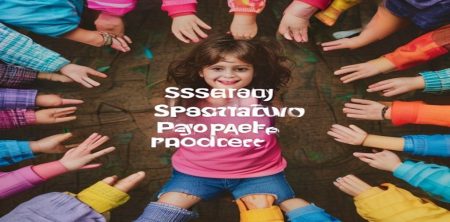
Associative play is a stage of play where children engage in similar activities, share toys, and interact with one another, but without a structured organization or specific rules. This type of play typically emerges around the ages of 3 to 4 years, acting as a bridge between solitary play and cooperative play, which develops later. During associative play, children are learning to communicate their ideas and feelings while also starting to understand the perspectives of their peers.
The significance of associative play in preschoolers cannot be overstated. It lays the groundwork for important social skills that will benefit them throughout their lives. As children engage in associative play activities, they practice taking turns, negotiating roles, and resolving conflicts. These skills are crucial not only for their current social interactions but also for their future relationships in school and beyond.
The Importance of Social Interaction
Social interaction is a cornerstone of early childhood development and has far-reaching implications for a child's emotional and social well-being. During preschool years, children are becoming more aware of their social environment, and their interactions with peers play a vital role in shaping their personalities.
Through associative play activities, children learn vital lessons about teamwork. They discover the thrill of sharing a toy or collaborating on a project, which fosters a sense of belonging and community. These experiences help children develop self-confidence and emotional intelligence, enabling them to express their thoughts and feelings more effectively as they age.
Key Characteristics of Associative Play Activities
To effectively implement associative play activities in preschool, it's essential to understand their key characteristics:
- Spontaneity: Unlike structured play, associative play is spontaneous and driven by the children's interests.
- Interaction: Children engage with one another actively, sharing toys and ideas.
- Flexibility: There are no fixed roles or rules; children can change their activities based on their whims.
- Imitation: Associative play often involves imitating the actions or ideas of peers, which is critical for learning.
Understanding these characteristics will help caregivers and educators design activities that promote meaningful interactions among preschoolers.
Examples of Associative Play Activities
There are countless ways to encourage associative play. Here are some engaging activities that preschoolers can enjoy while developing their social skills:
1. Creative Arts and Crafts
Arts and crafts are excellent for associative play. Children can work together to create a mural or a group collage. Providing a variety of materials, such as colored paper, crayons, and glue, sparks creativity and invites collaboration. As they share materials and ideas, they practice communication and negotiation skills.
2. Outdoor Play with Balls
Outdoor activities, such as playing with balls, are great for associative play. Children can kick, throw, or roll a ball to one another. This not only develops motor skills but also encourages teamwork as they strategize how to pass the ball effectively. By playing simple games like ''keep away" or cooperative ball tosses, children engage in active social interaction. (See: Child development and social skills.)
3. Building Blocks or Legos
Building with blocks or Legos allows children to collaborate on a shared project, such as constructing a tower or a city. They must communicate their ideas, decide on colors and shapes, and negotiate roles as they build together. This activity promotes problem-solving and fosters a sense of achievement when they see their creation come to life.
4. Group Storytelling
Gathering children for a group storytelling session can ignite their imagination while enhancing social interaction. One child can start a story, and others can take turns adding their ideas. This exercise encourages teamwork and creativity, as they build a narrative together, learning to listen and respect each other's contributions.
5. Role Play and Dramatic Play
Setting up a dramatic play area, such as a kitchen or a shop, allows children to act out various roles. They can take turns being the chef, waiter, or customer, which fosters social interactions and builds empathy as they step into different roles. This imaginative play helps them understand different viewpoints and develops their social skills.
6. Musical Games
Incorporating music into play activities can be a fantastic way to engage preschoolers. Games like "Musical Chairs" or group dances encourage children to interact and cooperate. They learn to follow directions, share space, and react to the dynamics of the group, thus reinforcing their social skills in a lively setting.
7. Science Experiments
Conducting simple science experiments, such as making a volcano with baking soda and vinegar, can be a fun way to engage children collaboratively. They can take different roles, such as measuring ingredients or pouring liquids, learning to work together while exploring scientific concepts. This kind of associative play activity stimulates curiosity and teamwork.
8. Puzzle Solving
Working on puzzles as a group can enhance social interaction among preschoolers. Children can collaborate to find pieces, share thoughts on where they fit, and celebrate when the puzzle is completed. This activity promotes critical thinking, patience, and communication.
9. Nature Exploration
Taking children on nature walks or outdoor explorations can lead to spontaneous associative play opportunities. They can collect leaves, rocks, or flowers and then discuss their findings. This experience encourages cooperative learning and builds a sense of community as they share their discoveries with one another.
10. Cooking Together
Simple cooking activities, such as making sandwiches or fruit salads, allow children to work together in a fun and interactive way. They can take turns adding ingredients and discussing their preferences, which not only develops their culinary skills but also emphasizes teamwork and communication.
Creating an Environment for Associative Play
To effectively encourage associative play activities, creating a conducive environment is vital. Here are some tips for educators and caregivers:
- Provide Open-Ended Materials: Stock your space with a variety of toys and materials that allow for imaginative play. Think blocks, art supplies, dress-up clothes, and natural items.
- Promote Collaborative Spaces: Design your classroom or play area to encourage group activities. Use tables that are conducive for teamwork and position toys that foster sharing.
- Interact and Guide: As children engage in associative play, observe their interactions and step in to guide when necessary. Facilitating communication among peers can empower them to express their thoughts more clearly.
- Encourage Independence: While it's essential to guide play, allow children the freedom to explore their ideas. This autonomy fosters creativity and confidence.
By curating an environment that supports associative play activities, educators and caregivers can enhance children’s social interactions and foster their developmental growth.
Assessing the Impact of Associative Play Activities
As with any educational approach, evaluating the effectiveness of associative play activities is crucial. Here’s how you can gauge their impact:
- Observation: Regularly observe how children interact during play. Take note of their communication styles, willingness to share, and how they resolve conflicts.
- Feedback from Children: Ask children how they feel about the activities. Their responses can give insights into what resonates with them and what might need adjustment.
- Developmental Milestones: Monitor children’s progress in social skills over time. Look for improvements in communication, cooperation, and empathy.
Assessing the impact helps refine the activities and ensures they effectively promote social interaction among preschoolers. (See: Learning and development in children.)
The Role of Parents in Associative Play
Parents play a crucial role in their children's development and can significantly contribute to encouraging associative play activities. Here’s how they can get involved:
- Model Positive Social Behavior: Children learn from watching adults. Display respectful communication and collaboration in your own interactions to set a good example.
- Arrange Playdates: Organizing regular playdates with peers provides opportunities for children to engage in associative play. This can strengthen their friendships and boost social skills.
- Be Engaged: Participate in play activities with your child. Your involvement can encourage them to interact more with others and model positive behaviors.
The more parents engage in and support these associative play activities, the better equipped their children will be for social interactions in diverse settings.
Current Relevance and Future Perspectives
In today’s fast-paced society, where digital interactions often overshadow face-to-face communication, the importance of associative play activities cannot be overstated. As children navigate a world filled with screens, fostering real-life social interactions is more vital than ever. Associative play provides a natural way for children to develop the skills they need to succeed socially.
As we look to the future, educators and parents alike must emphasize the significance of play in early childhood education. By understanding the nuances of associative play activities and their impact on social interaction, we can ensure that preschoolers grow into empathetic, communicative, and confident individuals ready to face the world.
Benefits of Associative Play Activities
Beyond the immediate social skills that children acquire, associative play activities also come with a range of other benefits. Here are some noteworthy advantages:
- Enhanced Cognitive Development: Associative play encourages critical thinking as children make decisions, solve puzzles, and engage in imaginative scenarios. This cognitive engagement helps sharpen their problem-solving skills.
- Improved Emotional Literacy: Through interactions during play, children learn to identify and express their emotions better. They also develop a greater understanding of others' feelings, which is key to building empathy.
- Fostering Creativity: The open-ended nature of many associative play activities allows children to think outside the box. Whether they’re building with blocks or creating an art project, they engage their creativity, which is essential for innovation in later life.
- Social Norms and Boundaries: Children learn about social norms and boundaries through associating with peers. They explore sharing, turn-taking, and respecting others' space, essential lessons for any social setting.
FAQ: Associative Play Activities
What age do children typically start engaging in associative play?
Associative play usually begins around ages 3 to 4. At this stage, children start to seek out peers for interaction while still being focused on their individual activities.
How can I tell if my child is participating in associative play?
Signs of associative play include children sharing toys, engaging in similar activities, and interacting verbally or physically with one another, even if the play is not structured or organized.
Can associative play activities improve my child's emotional intelligence?
Yes! Associative play helps children recognize their own emotions and those of others, which builds emotional intelligence. They learn to navigate feelings of joy, frustration, and empathy through different play scenarios.
How can I support associative play at home?
You can support associative play at home by providing a variety of materials for open-ended play, arranging playdates with peers, and actively participating in play without overtaking the direction of the activity.
Are there any downsides to associative play?
While associative play is generally beneficial, it’s essential to monitor the dynamics among children. Some may struggle with sharing or collaborating. Adult supervision can help guide interactions and resolve conflicts proactively.
How do associative play activities differ from cooperative play activities?
Associative play involves children playing alongside each other without specific roles or rules, whereas cooperative play is more structured and involves children working together towards a common goal, such as completing a task or game.
Can associative play activities be done indoors?
Absolutely! Many associative play activities can be adapted for indoor settings, such as arts and crafts, board games, and imaginative play with props. The key is to create an engaging environment that encourages interaction.
What role does adult guidance play in associative play?
Adults play a vital role in facilitating associative play by providing resources, observing interactions, and stepping in when necessary to help children express their ideas and resolve conflicts effectively.
Additional Strategies for Enhancing Associative Play
In order to make the most of associative play activities, consider incorporating these additional strategies:
- Rotate Play Materials: Keeping play materials fresh and exciting can reignite children's interest. Rotating toys and supplies every few weeks can make a big difference in their engagement during play.
- Create Themed Days: Organizing themed play days can encourage children to explore new ideas and concepts together. For example, a nature-themed day could involve activities such as nature crafts or stories about animals.
- Incorporate Technology Wisely: While digital play is often viewed as counterproductive to social development, certain educational apps and games can promote cooperative play among children when used in moderation and with guidance.
- Encourage Reflection: After play activities, have discussions about what they enjoyed, what they learned, and how they handled conflicts. This encourages children to think critically about their play experiences.
Statistics and Research on Associative Play
Research indicates that play, particularly associative play, has profound effects on childhood development. A study by the American Academy of Pediatrics found that children who engage regularly in play are more likely to develop strong communication skills, greater emotional regulation, and improved academic performance. In fact, statistics show that children involved in associative play are 30% more likely to demonstrate effective problem-solving skills compared to those who play alone.
Moreover, a report from the National Association for the Education of Young Children (NAEYC) suggests that children who experience rich play environments exhibit higher levels of creativity and better social skills, ultimately leading to more successful interactions in structured educational settings.
Conclusion
By incorporating associative play activities into both preschool settings and home environments, we can nurture the social skills of young children. Understanding the dynamics of play and its importance in development equips caregivers and educators with the tools to foster an enriching atmosphere where children thrive socially and emotionally. With continued emphasis on the value of play, preschoolers will not only navigate their early years with confidence but will also carry these essential skills into their future.
```
Trending Now
Frequently Asked Questions
What are associative play activities?
Associative play activities involve children engaging in similar activities and sharing toys while interacting with one another without structured rules. This type of play typically occurs between ages 3 and 4, helping children develop essential social skills like communication, cooperation, and empathy.
Why is associative play important for preschoolers?
Associative play is crucial for preschoolers as it lays the foundation for important social skills. It helps children learn to communicate their ideas, take turns, negotiate roles, and resolve conflicts, which are essential for their current social interactions and future relationships.
How can I encourage associative play in preschoolers?
To encourage associative play in preschoolers, provide engaging and open-ended materials like blocks, art supplies, and dramatic play props. Create a safe space for interaction, and model sharing and cooperation. Organize group activities that promote collaboration without strict rules.
What are some examples of associative play activities?
Examples of associative play activities include cooperative building with blocks, shared art projects, role-playing games, and group storytelling. These activities encourage children to interact, share ideas, and work together while fostering social skills in a fun environment.
At what age does associative play typically begin?
Associative play typically begins around ages 3 to 4. During this stage, children start to engage in similar activities with peers, share toys, and develop their communication and social interaction skills, marking a transition from solitary play to more interactive forms of play.
Have you experienced this yourself? We'd love to hear your story in the comments.

